THE ADVENTURE COLLECTIVE® · Independent discovery and booking for outdoor travel

Two days with a local guide reveal West Lake’s storied causeways, Longjing tea terraces, and the lively Wulin Night Market. This practical guide outlines what to expect, how to move between sites, and local tips to make the most of Hangzhou’s culture and cuisine.
Two days with a local guide reveal West Lake’s storied causeways, Longjing tea terraces, and the lively Wulin Night Market. This practical guide outlines what to expect, how to move between sites, and local tips to make the most of Hangzhou’s culture and cuisine.
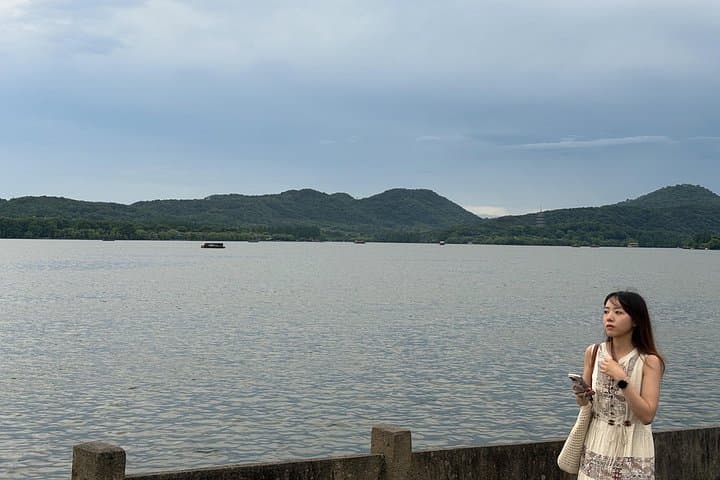
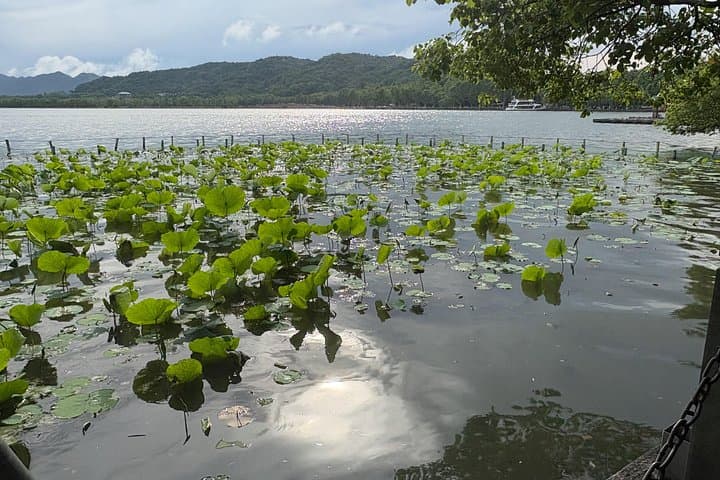
You step off at Wulinmen Wharf and the city exhales: willows lean low over glassy water, old pavilions punctuate the shoreline, and a wooden boat nudges the pier as the guide lists the day’s route.
Verified experiences and guided adventures in the surrounding area.
Operated by Maverick McQuillan · Hangzhou, Zhejiang
You step off at Wulinmen Wharf and the city exhales: willows lean low over glassy water, old pavilions punctuate the shoreline, and a wooden boat nudges the pier as the guide lists the day’s route.
This two-day itinerary threads West Lake’s classic scenes with the compact history of old Hangzhou — Su Causeway’s 2.8 km stone path built in the Song Dynasty, the thousand-year Jingci Temple bells, and the tea terraces where Longjing leaves turn in terraced soil. Geology here is gentle: low hills and alluvial plains shape sheltered coves and channels that the locals have shaped into gardens and causeways over centuries.
Culture lives in small details: tea houses where loose-leaf Longjing is brewed by hand, market stalls selling osmanthus sweets, and the night market that hums with skewers and neon. Guides point out Song-era stone carvings, explain the legend of the Three Pools Mirroring the Moon, and show how West Lake’s water management was central to Hangzhou’s role as the Southern Song capital.
Practical edge: meet at Wulinmen Wharf or Wushan Square Metro Exit D; plan two solid days with light walking (average 3–5 hours daily) and pockets of standing tours. Wear comfortable shoes, bring a small daypack with water and a portable umbrella, and carry cash for market snacks. Morning is best for boat rides and quiet photos; evenings suit the Wulin Night Market’s food scene. Expect wheelchair-accessible paths in most major sites, but some temple stairways and narrow lanes are steep. Pace yourself — tea breaks are part of the plan.
easy.
2 days.
Suitable for travelers comfortable with 3–6 hours of walking or standing per day; minimal elevation change.
You can meet at Wulinmen Wharf (武林门码头) or request pickup; the tour commonly starts and ends at the same meeting point.
Major attractions and many paths around West Lake are wheelchair and stroller accessible, though some temple stairways and narrow historic lanes are not.
Some boat rides and select temple admissions are included in the itinerary; confirm specifics with the booking as offerings can vary.
Yes—this easy-paced tour is designed for all ages, though expect some walking and periods of standing; inform the guide of mobility needs when booking.
Hangzhou served as the Southern Song capital and West Lake’s causeways, pagodas, and temple complexes grew into cultural landmarks over many dynasties.
Local authorities limit motorized traffic on the lake and run water-quality programs; support sustainable tourism by using refillable bottles, staying on marked paths, and avoiding single-use plastics.
Maverick McQuillan operates guided outdoor trips and adventures with an emphasis on safety, stewardship, and memorable experiences.

You step off at Wulinmen Wharf and the city exhales: willows lean low over glassy water, old pavilions punctuate the shoreline, and a wooden boat nudges the pier as the guide lists the day’s route.
You step off at Wulinmen Wharf and the city exhales: willows lean low over glassy water, old pavilions punctuate the shoreline, and a wooden boat nudges the pier as the guide lists the day’s route.
This two-day itinerary threads West Lake’s classic scenes with the compact history of old Hangzhou — Su Causeway’s 2.8 km stone path built in the Song Dynasty, the thousand-year Jingci Temple bells, and the tea terraces where Longjing leaves turn in terraced soil. Geology here is gentle: low hills and alluvial plains shape sheltered coves and channels that the locals have shaped into gardens and causeways over centuries.
Culture lives in small details: tea houses where loose-leaf Longjing is brewed by hand, market stalls selling osmanthus sweets, and the night market that hums with skewers and neon. Guides point out Song-era stone carvings, explain the legend of the Three Pools Mirroring the Moon, and show how West Lake’s water management was central to Hangzhou’s role as the Southern Song capital.
Practical edge: meet at Wulinmen Wharf or Wushan Square Metro Exit D; plan two solid days with light walking (average 3–5 hours daily) and pockets of standing tours. Wear comfortable shoes, bring a small daypack with water and a portable umbrella, and carry cash for market snacks. Morning is best for boat rides and quiet photos; evenings suit the Wulin Night Market’s food scene. Expect wheelchair-accessible paths in most major sites, but some temple stairways and narrow lanes are steep. Pace yourself — tea breaks are part of the plan.