THE ADVENTURE COLLECTIVE® · Independent discovery and booking for outdoor travel

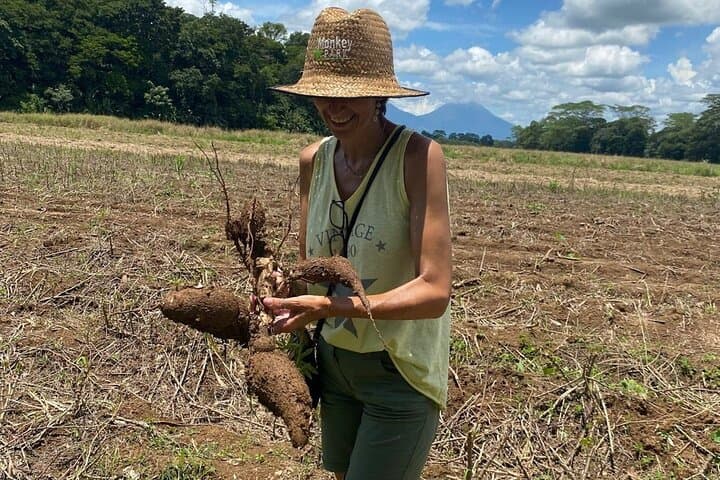
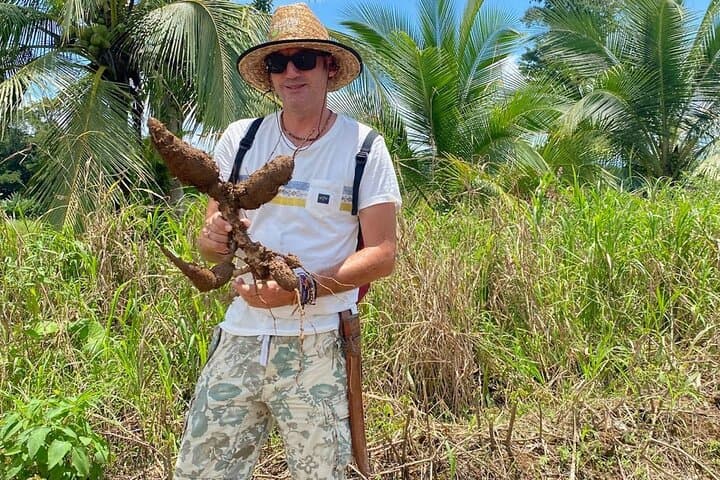
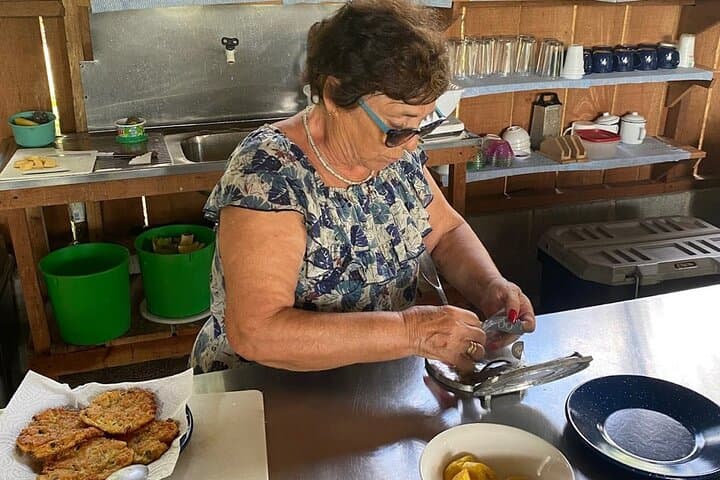
Ride a traditional wooden cart through working fields, harvest yucca and plantains, and feed Brahman cattle before sitting down to a lunch made from produce you helped gather. This concise, hands-on farm visit near La Fortuna offers practical insight into local agriculture and food traditions.
Ride a traditional wooden cart through working fields, harvest yucca and plantains, and feed Brahman cattle before sitting down to a lunch made from produce you helped gather. This concise, hands-on farm visit near La Fortuna offers practical insight into local agriculture and food traditions.
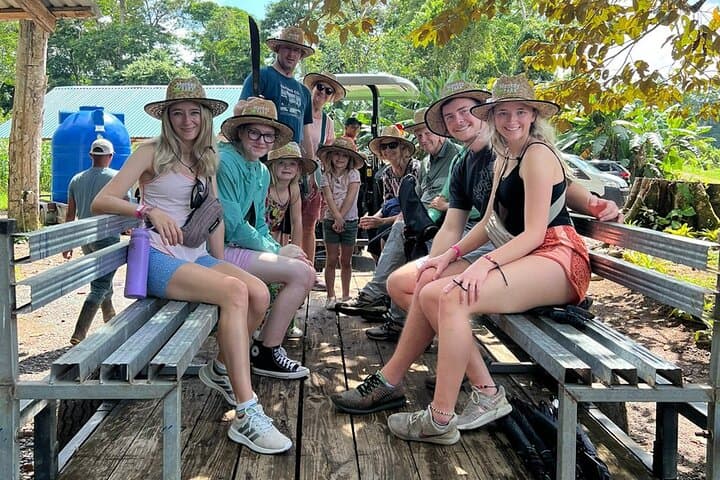
A low-slung wooden cart rattles down a dirt aisle, the chapulín tractor nudging forward while the morning air smells of warm soil and ripe plantains. Guests sit shoulder-to-shoulder as the farm opens around them: rows of yucca, stands of banana and plantain, and Brahman cattle grazing under scattered guava trees. The pace is deliberate—hands-on, tactile—and the guide’s explanations puncture a city visitor’s assumptions with the plain logic of rural work.
Verified experiences and guided adventures in the surrounding area.
Operated by Monkey Park La Fortuna · La Fortuna, Alajuela
A low-slung wooden cart rattles down a dirt aisle, the chapulín tractor nudging forward while the morning air smells of warm soil and ripe plantains. Guests sit shoulder-to-shoulder as the farm opens around them: rows of yucca, stands of banana and plantain, and Brahman cattle grazing under scattered guava trees. The pace is deliberate—hands-on, tactile—and the guide’s explanations puncture a city visitor’s assumptions with the plain logic of rural work.
The region around La Fortuna has long combined volcanic soils with small-scale agriculture; farms here benefited from fertile ash deposits left by Arenal’s past eruptions. The wooden cart itself echoes Costa Rica’s rural transport traditions adapted for modern visits. On this short tour participants harvest seasonal crops, learn local planting and irrigation practices, and feed sweet potatoes directly to Brahman cattle—an intimate way to see the human-animal relationship that sustains the valley.
Practical details are straightforward: the experience runs about three hours and involves light walking and standing. Expect sun and occasional mud; the guide provides interpretation in English and Spanish and a traditional lunch made from produce you helped pick. Bring closed-toe shoes, sun protection, and a refillable water bottle. If traveling in the rainy months, a light rain jacket and quick-dry clothing will make the difference.
This is a gentle, educational farm visit rather than a rugged hike—ideal for families and travelers wanting a concrete connection to Costa Rican foodways and rural life.
easy.
3 hours.
Suitable for most fitness levels; involves short walks and standing during demonstrations
The experience is approximately three hours from start to finish, including time on the cart, harvesting, and the traditional lunch.
Transport may be available for an extra cost—confirm pickup point when booking and expect shared-vehicle options from La Fortuna.
Yes; the tour is family-friendly and described as suitable for all physical fitness levels, though children should be supervised near livestock.
The lunch uses farm-fresh ingredients; notify the operator about dietary restrictions at booking so they can adapt the meal where possible.
Smallholder agriculture in the La Fortuna valley expanded after Arenal’s 20th-century activity; volcanic soils created productive plots that local families farm today.
Many local farms prioritize sustainable practices and agroforestry; visitors should avoid single-use plastics and follow the guide’s instructions to minimize disturbance.
Monkey Park La Fortuna operates guided outdoor trips and adventures with an emphasis on safety, stewardship, and memorable experiences.
A low-slung wooden cart rattles down a dirt aisle, the chapulín tractor nudging forward while the morning air smells of warm soil and ripe plantains. Guests sit shoulder-to-shoulder as the farm opens around them: rows of yucca, stands of banana and plantain, and Brahman cattle grazing under scattered guava trees. The pace is deliberate—hands-on, tactile—and the guide’s explanations puncture a city visitor’s assumptions with the plain logic of rural work.
A low-slung wooden cart rattles down a dirt aisle, the chapulín tractor nudging forward while the morning air smells of warm soil and ripe plantains. Guests sit shoulder-to-shoulder as the farm opens around them: rows of yucca, stands of banana and plantain, and Brahman cattle grazing under scattered guava trees. The pace is deliberate—hands-on, tactile—and the guide’s explanations puncture a city visitor’s assumptions with the plain logic of rural work.
The region around La Fortuna has long combined volcanic soils with small-scale agriculture; farms here benefited from fertile ash deposits left by Arenal’s past eruptions. The wooden cart itself echoes Costa Rica’s rural transport traditions adapted for modern visits. On this short tour participants harvest seasonal crops, learn local planting and irrigation practices, and feed sweet potatoes directly to Brahman cattle—an intimate way to see the human-animal relationship that sustains the valley.
Practical details are straightforward: the experience runs about three hours and involves light walking and standing. Expect sun and occasional mud; the guide provides interpretation in English and Spanish and a traditional lunch made from produce you helped pick. Bring closed-toe shoes, sun protection, and a refillable water bottle. If traveling in the rainy months, a light rain jacket and quick-dry clothing will make the difference.
This is a gentle, educational farm visit rather than a rugged hike—ideal for families and travelers wanting a concrete connection to Costa Rican foodways and rural life.