THE ADVENTURE COLLECTIVE® · Independent discovery and booking for outdoor travel

Experience Old Dhaka’s layered history—Mughal forts, colonial pink palaces and the chaotic riverfront—on a full‑day guided tour that blends architecture, markets and boat life. Learn practical tips for walking, photographing, and navigating the city’s narrow lanes.
Experience Old Dhaka’s layered history—Mughal forts, colonial pink palaces and the chaotic riverfront—on a full‑day guided tour that blends architecture, markets and boat life. Learn practical tips for walking, photographing, and navigating the city’s narrow lanes.
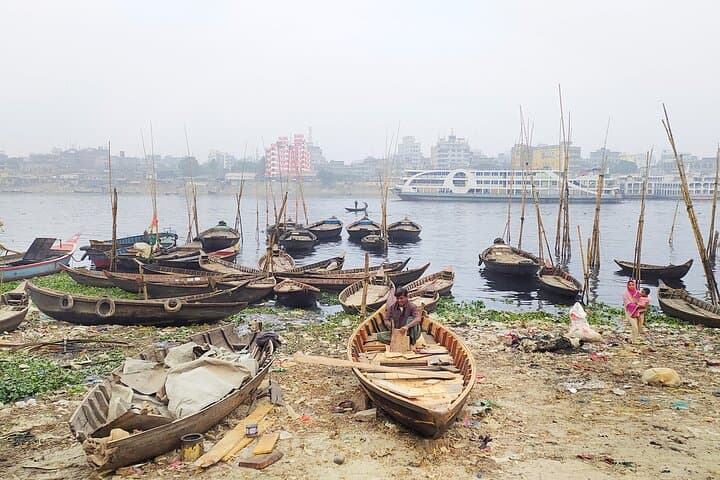
You step out of an air-conditioned van into the roar of Dhaka: a stretch of riverfront where small launches slap against wooden jetties, vendors call across alleys, and the scent of frying fish mingles with diesel. The day unfurls as an urban expedition—stone, stucco, tile and river—moving from the geometric calm of Louis Kahn’s National Parliament House to the crowded lanes of Old Dhaka.
Verified experiences and guided adventures in the surrounding area.
Operated by beentours · Dhaka, Dhaka
You step out of an air-conditioned van into the roar of Dhaka: a stretch of riverfront where small launches slap against wooden jetties, vendors call across alleys, and the scent of frying fish mingles with diesel. The day unfurls as an urban expedition—stone, stucco, tile and river—moving from the geometric calm of Louis Kahn’s National Parliament House to the crowded lanes of Old Dhaka.
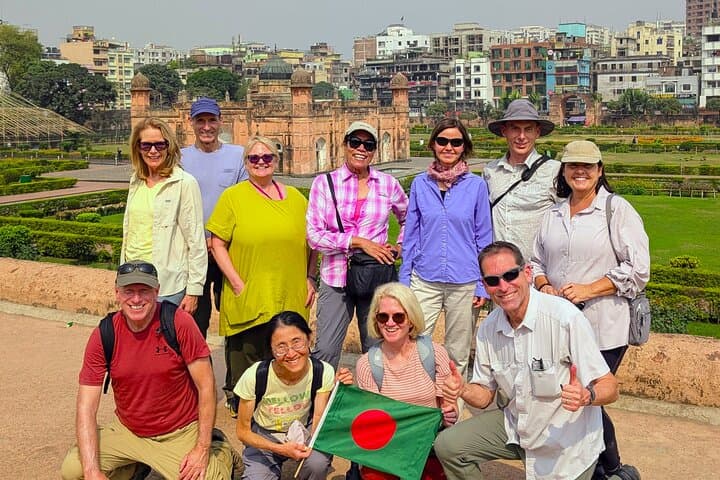
The route stitches together centuries. Mughal gardens and 17th-century Lalbagh Fort sit near colonial-era mansions like Ahsan Manzil; the Star Mosque displays late‑19th‑century Islamic ornamentation while the Armenian Church and Shankhari Bazar recall Dhaka’s multicultural mercantile past. Geologically the city rests on the Bengal Delta’s flat alluvial plain, so expect low, compact streets that flood in monsoon months and bake in late spring heat.
Culturally, this is an intensely lived city: rituals at Dhakeshwari Temple, boat traffic at Sadarghat, and craftsmen at the ship repairing yard all offer direct contact with everyday life. Guides translate context—power, patronage and the rhythms of river commerce—so travelers gain more than snapshots.
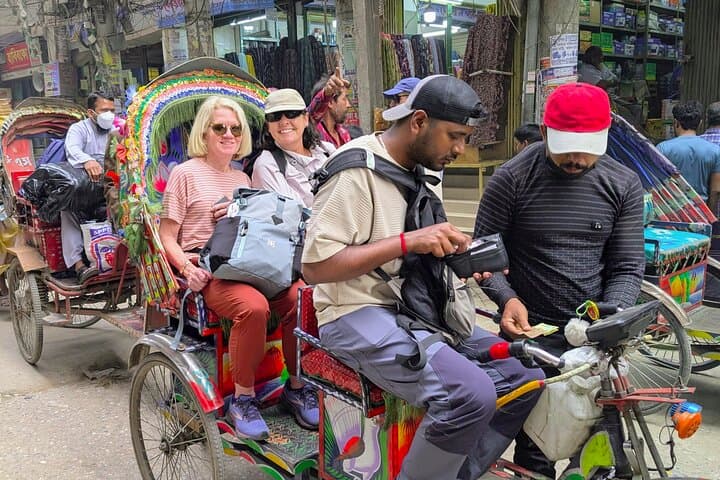
Practical guidance: the tour runs 8–10 hours with moderate walking on uneven pavements and narrow lanes; bring sun protection, comfortable closed shoes, and a small daypack. Photography is welcome at most stops but respect places of worship and ask before photographing people. Expect an included lunch and private transport between sites; boats are brief and local. For timing, aim to start early to avoid peak afternoon heat and congested traffic.
moderate.
8–10 hours.
Moderate fitness—capable of several hours of walking and climbing short stairways.
Expect several hours of walking on flat but sometimes narrow and uneven streets; there are short walks at each stop and some stairs at historic sites.
Photography policies vary—Star Mosque and Lalbagh Fort allow photos but you should remove shoes and avoid flash in active worship areas; follow your guide’s instructions.
Yes—lunch is included and typically served at a local restaurant; inform the operator of dietary restrictions when booking.
Children with reasonable stamina are fine, but the tour is not recommended for pregnant travelers due to the lengthy day and crowd conditions.
Dhaka’s urban core grew through Mughal, colonial and mercantile phases: forts and mansions reflect shifting power from 17th‑century Mughal rule to 19th‑century Nawab elites and British colonial administration.
The Buriganga faces pollution and siltation from urban runoff; choose operators who avoid contributing to litter and support local conservation efforts.
beentours operates guided outdoor trips and adventures with an emphasis on safety, stewardship, and memorable experiences.
You step out of an air-conditioned van into the roar of Dhaka: a stretch of riverfront where small launches slap against wooden jetties, vendors call across alleys, and the scent of frying fish mingles with diesel. The day unfurls as an urban expedition—stone, stucco, tile and river—moving from the geometric calm of Louis Kahn’s National Parliament House to the crowded lanes of Old Dhaka.
You step out of an air-conditioned van into the roar of Dhaka: a stretch of riverfront where small launches slap against wooden jetties, vendors call across alleys, and the scent of frying fish mingles with diesel. The day unfurls as an urban expedition—stone, stucco, tile and river—moving from the geometric calm of Louis Kahn’s National Parliament House to the crowded lanes of Old Dhaka.
The route stitches together centuries. Mughal gardens and 17th-century Lalbagh Fort sit near colonial-era mansions like Ahsan Manzil; the Star Mosque displays late‑19th‑century Islamic ornamentation while the Armenian Church and Shankhari Bazar recall Dhaka’s multicultural mercantile past. Geologically the city rests on the Bengal Delta’s flat alluvial plain, so expect low, compact streets that flood in monsoon months and bake in late spring heat.
Culturally, this is an intensely lived city: rituals at Dhakeshwari Temple, boat traffic at Sadarghat, and craftsmen at the ship repairing yard all offer direct contact with everyday life. Guides translate context—power, patronage and the rhythms of river commerce—so travelers gain more than snapshots.
Practical guidance: the tour runs 8–10 hours with moderate walking on uneven pavements and narrow lanes; bring sun protection, comfortable closed shoes, and a small daypack. Photography is welcome at most stops but respect places of worship and ask before photographing people. Expect an included lunch and private transport between sites; boats are brief and local. For timing, aim to start early to avoid peak afternoon heat and congested traffic.