THE ADVENTURE COLLECTIVE® · Independent discovery and booking for outdoor travel

Drive two hours from Bogotá into the foothills of La Vega for a private, hands-on look at Colombian coffee—from cherry picking to the drying patio. Expect practical demos, a farm lunch, and a tasting led by local growers.
Drive two hours from Bogotá into the foothills of La Vega for a private, hands-on look at Colombian coffee—from cherry picking to the drying patio. Expect practical demos, a farm lunch, and a tasting led by local growers.
You leave Bogotá before the city heat flattens the light, a private car threading out across the savannah and into green foothills. Two hours on country roads bring you to a working coffee finca near La Vega where the air changes — leaves rustle, birds test the morning, and coffee cherries color the rows like gemstones.
Verified experiences and guided adventures in the surrounding area.
Operated by Zebra Fisgona Tours · La Vega, Cundinamarca
You leave Bogotá before the city heat flattens the light, a private car threading out across the savannah and into green foothills. Two hours on country roads bring you to a working coffee finca near La Vega where the air changes — leaves rustle, birds test the morning, and coffee cherries color the rows like gemstones.
Colombian coffee has been shaped by volcanic soils and steep gradients since the 19th century; these Cundinamarca foothills sit roughly between 1,200–1,800 meters above sea level, a band where Arabica thrives. On the farm you learn practical steps: how to identify ripe cherries, the small harvest rituals families practice, and the traditional beneficiadero and secadero methods that separate and dry beans for quality selection.
Culturally, these farms are family operations that fold agronomy into daily life — expect warm, straightforward explanations from growers and a hands-on lesson in processing and tasting. Geology matters: the nimble slopes and well-drained volcanic soils push roots down and coax complex flavors from the beans.
Practical guidance: wear sturdy closed shoes for uneven farm tracks, bring sun protection and a refillable bottle, and plan for warm lower-elevation temperatures compared with Bogotá. Mornings are best for picking and tasting; afternoons suit demonstrations and lunch. Respect private land, ask before photographing people, and come ready to try coffee at every stage — from cherry to cup. This private 7‑hour tour balances fieldwork, technical explanation, and straightforward hospitality, giving a clear window into Colombia’s coffee craft.
easy.
7 hours.
Light activity and short walks on uneven farm tracks; suitable for most fitness levels.
The farm is typically about a 1.5–2 hour drive from Bogotá depending on traffic and route, so plan for transfers of roughly that length each way.
Yes — the tour is described as easy and family-friendly, with mostly short, gentle walks and seated demonstrations available.
Tours are usually delivered in Spanish; many operators offer basic English explanations—confirm language needs when booking so a bilingual guide can be arranged if required.
Most farms allow purchases of roasted beans or green beans after the tasting; ask about packaging for air travel and any export restrictions for bulk purchases.
Coffee cultivation in the Andean foothills expanded in the 19th and 20th centuries, with smallholder farms shaping regional techniques like the beneficiadero (wet mill) and secadero (drying patio).
Many small farms practice shade-grown techniques and careful water and soil management; visitors should avoid disrupting processing areas and follow farm guidance to minimize impact.
Zebra Fisgona Tours operates guided outdoor trips and adventures with an emphasis on safety, stewardship, and memorable experiences.
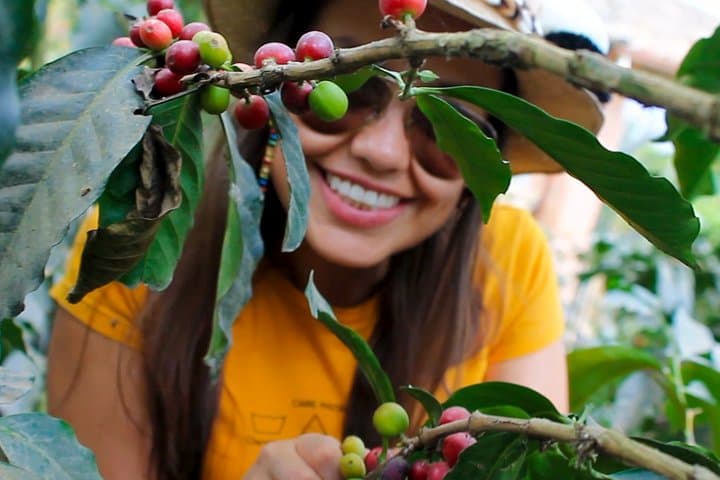
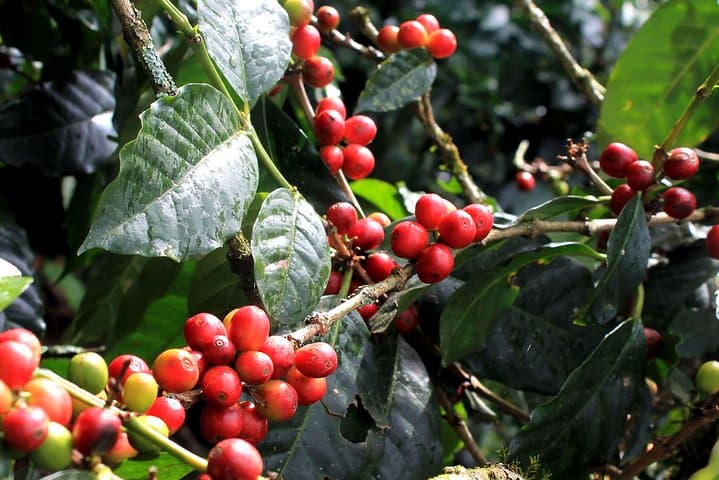
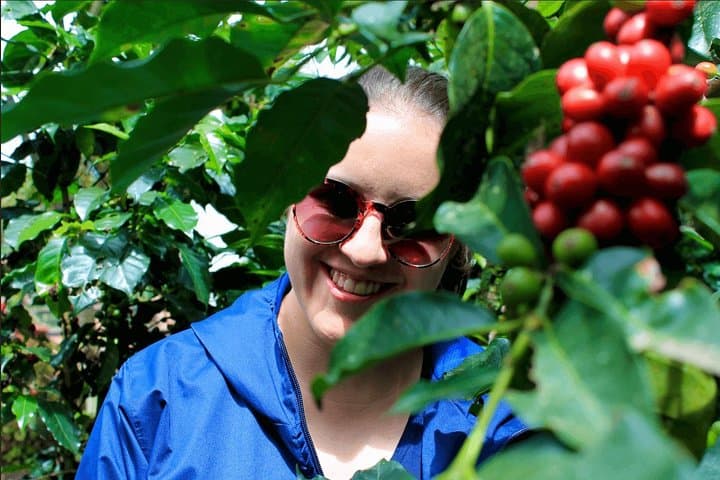
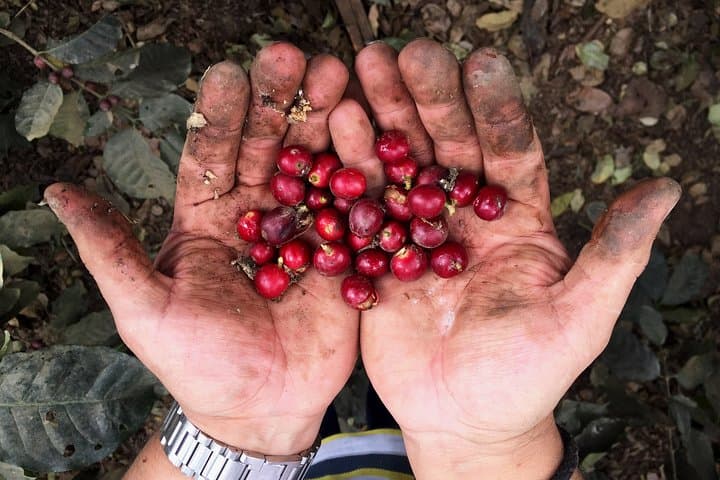
You leave Bogotá before the city heat flattens the light, a private car threading out across the savannah and into green foothills. Two hours on country roads bring you to a working coffee finca near La Vega where the air changes — leaves rustle, birds test the morning, and coffee cherries color the rows like gemstones.
You leave Bogotá before the city heat flattens the light, a private car threading out across the savannah and into green foothills. Two hours on country roads bring you to a working coffee finca near La Vega where the air changes — leaves rustle, birds test the morning, and coffee cherries color the rows like gemstones.
Colombian coffee has been shaped by volcanic soils and steep gradients since the 19th century; these Cundinamarca foothills sit roughly between 1,200–1,800 meters above sea level, a band where Arabica thrives. On the farm you learn practical steps: how to identify ripe cherries, the small harvest rituals families practice, and the traditional beneficiadero and secadero methods that separate and dry beans for quality selection.
Culturally, these farms are family operations that fold agronomy into daily life — expect warm, straightforward explanations from growers and a hands-on lesson in processing and tasting. Geology matters: the nimble slopes and well-drained volcanic soils push roots down and coax complex flavors from the beans.
Practical guidance: wear sturdy closed shoes for uneven farm tracks, bring sun protection and a refillable bottle, and plan for warm lower-elevation temperatures compared with Bogotá. Mornings are best for picking and tasting; afternoons suit demonstrations and lunch. Respect private land, ask before photographing people, and come ready to try coffee at every stage — from cherry to cup. This private 7‑hour tour balances fieldwork, technical explanation, and straightforward hospitality, giving a clear window into Colombia’s coffee craft.