THE ADVENTURE COLLECTIVE® · Independent discovery and booking for outdoor travel

Walk Imbe’s pottery streets with a local guide and potter’s family—visit kiln ruins, Amatsu Shrine, working studios and enjoy tea in Bizen ware. This 3–4 hour cultural stroll blends craft history with hands-on insight.
Walk Imbe’s pottery streets with a local guide and potter’s family—visit kiln ruins, Amatsu Shrine, working studios and enjoy tea in Bizen ware. This 3–4 hour cultural stroll blends craft history with hands-on insight.
You step off the quiet road and the town narrows into old clay-swept lanes; the air carries a faint smoke and the sound of feet on stone. In Imbe, Bizen’s pottery quarter, climbing-kiln chimneys puncture the skyline and samurai-era houses press close, guiding you through a working landscape where clay and fire still shape daily life.
Verified experiences and guided adventures in the surrounding area.
Operated by Bizen Slow Walks · Bizen, Okayama Prefecture
You step off the quiet road and the town narrows into old clay-swept lanes; the air carries a faint smoke and the sound of feet on stone. In Imbe, Bizen’s pottery quarter, climbing-kiln chimneys puncture the skyline and samurai-era houses press close, guiding you through a working landscape where clay and fire still shape daily life.
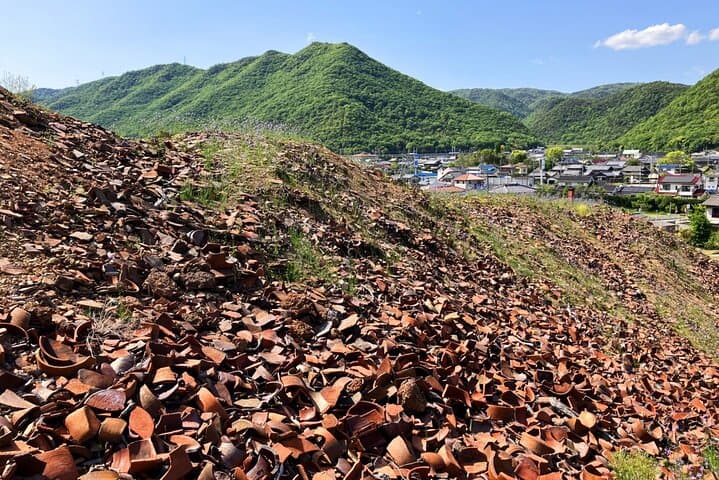
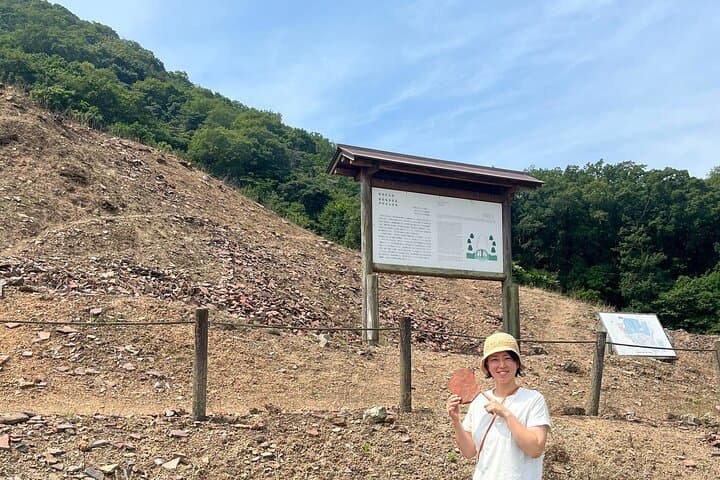
Bizen ware is one of Japan’s Six Ancient Kilns — unglazed, iron-rich stoneware fired in wood-fueled noborigama (climbing kilns). The tour threads history and craft: the Minami Ōgama kiln ruins show where hundreds of pots were fired together, Amatsu Shrine reveals the spiritual ties between potters and the fire gods, and small galleries along Bizen Pottery Street display styles shaped by local clay and centuries of technique. A possible studio visit offers a look at throwing, glazing-free finishing, and the tactile language of clay.
Practically speaking, expect a 3–4 hour, low-impact walking tour with gentle slopes and mostly paved or compacted paths. The guide—partner of a local potter—will translate technique and point out makers who still fire with wood. Bring cash for purchases and café drinks, and aim for morning light for photos and cooler temperatures. Comfortable shoes, sun protection, and a willingness to smell smoke and dust will serve you well. If you want a studio visit, mention preferences in advance; private pick-up is possible by request. This is a slow, sensory stroll through a craft landscape where heat and earth keep their own quiet rhythm.
easy.
3–4 hours.
Suitable for most fitness levels; involves several short walks and standing during demonstrations.
Studio visits are offered when the potter is working and schedule permits; request in advance and the guide will confirm availability.
No — café drinks are not included; they’re paid on-site and served in Bizen ware as part of the experience.
Yes — the route is suitable for families and strollers on most streets, though kiln-ruin sites may have steps or uneven ground.
Imbe is accessible by local train from Okayama Station to Imbe Station (approx. 40–50 minutes) or by private transfer if you reserve pick-up.
Bizen ware dates to medieval times and flourished because of local iron-rich clay and abundant timber for long wood firings; the climbing-kiln technique allowed mass firing since the Edo period.
Local studios emphasize traditional methods with low-chemical finishes; visitors are encouraged to support local makers and avoid disrupting kiln sites or leaving packaging behind.
Bizen Slow Walks operates guided outdoor trips and adventures with an emphasis on safety, stewardship, and memorable experiences.

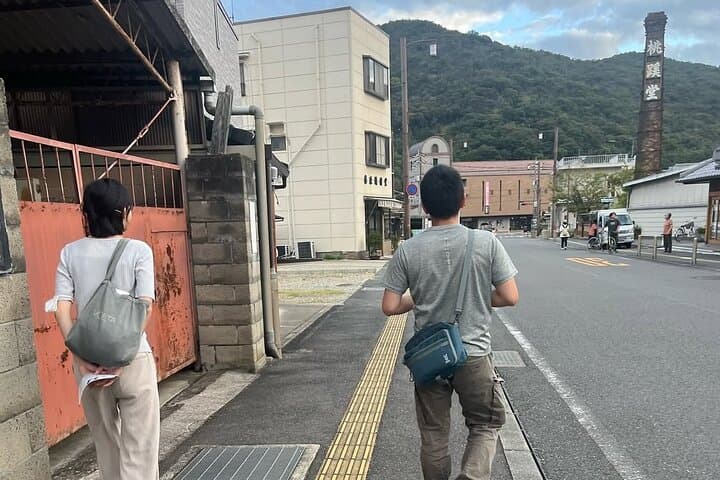
You step off the quiet road and the town narrows into old clay-swept lanes; the air carries a faint smoke and the sound of feet on stone. In Imbe, Bizen’s pottery quarter, climbing-kiln chimneys puncture the skyline and samurai-era houses press close, guiding you through a working landscape where clay and fire still shape daily life.
You step off the quiet road and the town narrows into old clay-swept lanes; the air carries a faint smoke and the sound of feet on stone. In Imbe, Bizen’s pottery quarter, climbing-kiln chimneys puncture the skyline and samurai-era houses press close, guiding you through a working landscape where clay and fire still shape daily life.
Bizen ware is one of Japan’s Six Ancient Kilns — unglazed, iron-rich stoneware fired in wood-fueled noborigama (climbing kilns). The tour threads history and craft: the Minami Ōgama kiln ruins show where hundreds of pots were fired together, Amatsu Shrine reveals the spiritual ties between potters and the fire gods, and small galleries along Bizen Pottery Street display styles shaped by local clay and centuries of technique. A possible studio visit offers a look at throwing, glazing-free finishing, and the tactile language of clay.
Practically speaking, expect a 3–4 hour, low-impact walking tour with gentle slopes and mostly paved or compacted paths. The guide—partner of a local potter—will translate technique and point out makers who still fire with wood. Bring cash for purchases and café drinks, and aim for morning light for photos and cooler temperatures. Comfortable shoes, sun protection, and a willingness to smell smoke and dust will serve you well. If you want a studio visit, mention preferences in advance; private pick-up is possible by request. This is a slow, sensory stroll through a craft landscape where heat and earth keep their own quiet rhythm.