THE ADVENTURE COLLECTIVE® · Independent discovery and booking for outdoor travel

Cook four classic Asian-inspired dishes with a local chef in an intimate Brooklyn kitchen. This three-hour, small-group workshop teaches knife skills, sauce technique and practical tips you can use at home.
Cook four classic Asian-inspired dishes with a local chef in an intimate Brooklyn kitchen. This three-hour, small-group workshop teaches knife skills, sauce technique and practical tips you can use at home.
You step into a compact Brooklyn kitchen and the city recedes to the rhythm of knives and sizzling pans. Bright ceramic bowls line the prep station, and the chef calls out a rhythm—chop, sear, taste—the kind of practical choreography that turns recipes into muscle memory.
Verified experiences and guided adventures in the surrounding area.
Operated by Cozymeal Cooking Classes · Brooklyn, New York
You step into a compact Brooklyn kitchen and the city recedes to the rhythm of knives and sizzling pans. Bright ceramic bowls line the prep station, and the chef calls out a rhythm—chop, sear, taste—the kind of practical choreography that turns recipes into muscle memory.
New York’s Asian food scene grew from waves of immigration, street vendors and neighborhood markets that transformed port-side ingredients into daily staples. Geologically the city’s harbor and trade routes funneled spices and produce through the port, and culturally those goods mixed with local produce to form the hybrid dishes New Yorkers expect today.
This hands-on, small-group class covers knife technique, sauce balancing and wok timing while you prepare spring roll pancakes, chicken teriyaki, sautéed broccoli and vegetable fried rice. Expect real-world techniques: mise en place, heat control, and finishing with sesame and scallion accents. The setting is intimate and accessible—wheelchair-friendly and suitable for cooks of varied experience.
Practical guidance: arrive 10–15 minutes early, wear closed-toe shoes and clothes you don’t mind splashing. You can bring wine or beer to enjoy with the meal; tell the host about dietary restrictions beforehand. The class is three hours long, mostly standing with periodic seated breaks, and ends with a shared meal where you can sample your work and ask questions about substitutions, pantry staples and scaling recipes for home.
Walk away with recipes, confidence in basic Asian techniques, and immediate next steps to recreate the menu in your own kitchen.
easy.
3 hours.
Light: you should be able to stand and move around a kitchen for 2–3 hours and lift light pots; no special fitness required.
Yes — the host requests dietary needs at booking and will adapt recipes where possible; notify them in advance to ensure appropriate substitutions.
According to the listing the venue is wheelchair accessible; if you need specific accommodations contact the operator before your session.
Yes, guests commonly bring a bottle of wine or beer to enjoy during the meal; check venue rules for corkage or glassware.
No — the class is designed for beginners and home cooks; the chef teaches basic knife skills and techniques step-by-step.
New York’s contemporary Asian cuisine reflects decades of immigration and port-driven trade; neighborhoods like Chinatown and Sunset Park became hubs for ingredients and techniques that influenced citywide cooking.
Look for classes that emphasize minimizing food waste and sourcing seasonal, sustainably-caught proteins; many local chefs favor composting and reduced packaging to lower impact.
Cozymeal Cooking Classes operates guided outdoor trips and adventures with an emphasis on safety, stewardship, and memorable experiences.
You step into a compact Brooklyn kitchen and the city recedes to the rhythm of knives and sizzling pans. Bright ceramic bowls line the prep station, and the chef calls out a rhythm—chop, sear, taste—the kind of practical choreography that turns recipes into muscle memory.
You step into a compact Brooklyn kitchen and the city recedes to the rhythm of knives and sizzling pans. Bright ceramic bowls line the prep station, and the chef calls out a rhythm—chop, sear, taste—the kind of practical choreography that turns recipes into muscle memory.
New York’s Asian food scene grew from waves of immigration, street vendors and neighborhood markets that transformed port-side ingredients into daily staples. Geologically the city’s harbor and trade routes funneled spices and produce through the port, and culturally those goods mixed with local produce to form the hybrid dishes New Yorkers expect today.
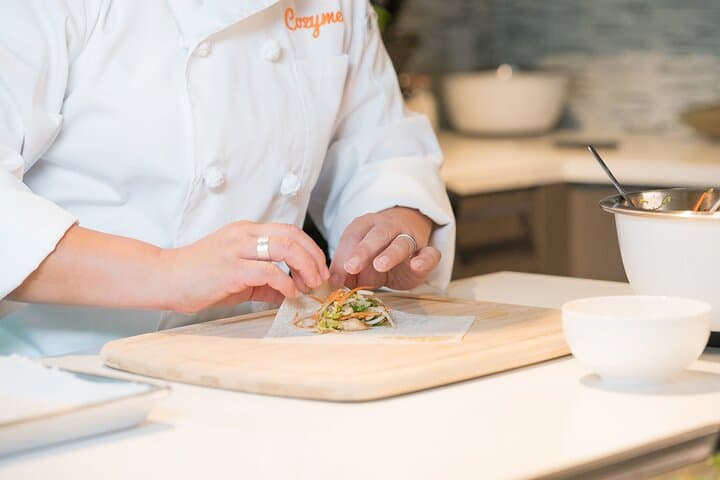
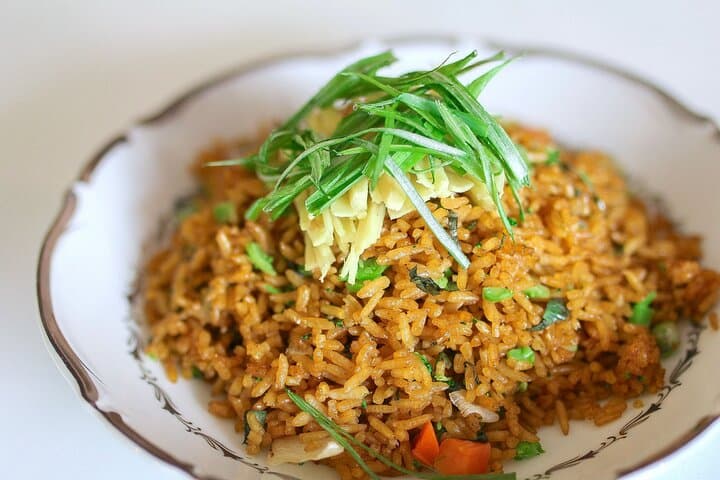
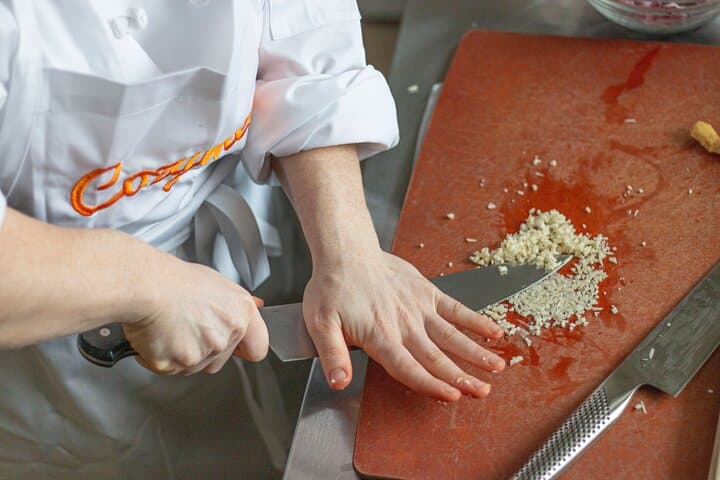
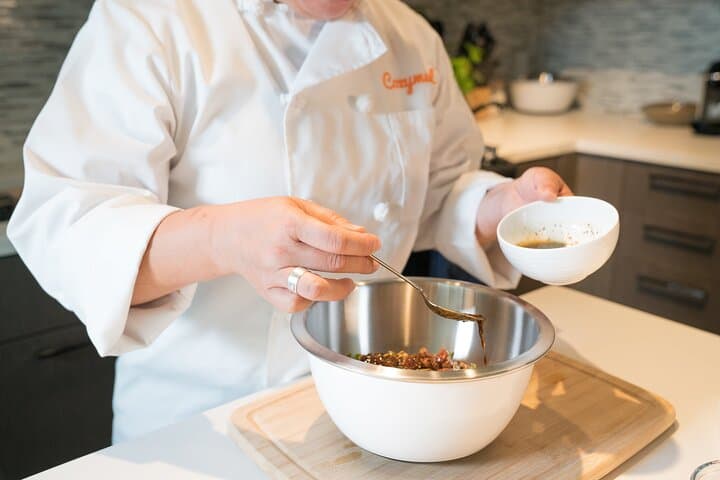
This hands-on, small-group class covers knife technique, sauce balancing and wok timing while you prepare spring roll pancakes, chicken teriyaki, sautéed broccoli and vegetable fried rice. Expect real-world techniques: mise en place, heat control, and finishing with sesame and scallion accents. The setting is intimate and accessible—wheelchair-friendly and suitable for cooks of varied experience.
Practical guidance: arrive 10–15 minutes early, wear closed-toe shoes and clothes you don’t mind splashing. You can bring wine or beer to enjoy with the meal; tell the host about dietary restrictions beforehand. The class is three hours long, mostly standing with periodic seated breaks, and ends with a shared meal where you can sample your work and ask questions about substitutions, pantry staples and scaling recipes for home.
Walk away with recipes, confidence in basic Asian techniques, and immediate next steps to recreate the menu in your own kitchen.