THE ADVENTURE COLLECTIVE® · Independent discovery and booking for outdoor travel

Walk coffee rows beneath Mount Meru, pick ripe cherries by hand, and follow beans from harvest to cup. This four-hour farm tour blends hands-on farming, local storytelling, and an onsite roast-and-taste that reveals why Arusha’s highland coffee is prized.
Walk coffee rows beneath Mount Meru, pick ripe cherries by hand, and follow beans from harvest to cup. This four-hour farm tour blends hands-on farming, local storytelling, and an onsite roast-and-taste that reveals why Arusha’s highland coffee is prized.
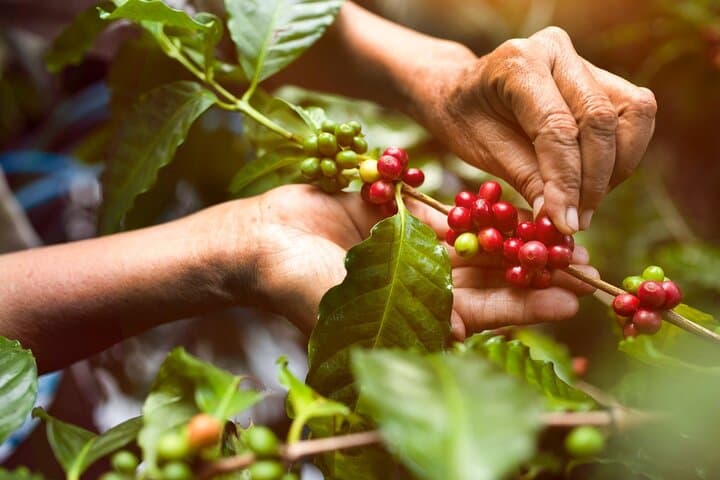
Early light spills over Mount Meru and the farm paths smell of damp earth and green cherries. Visitors move between low hedgerows of coffee, fingers learning to distinguish a ripe, heavy berry from one that needs another week. The mountain watches; the plants lean toward the sunlight, offering beans like small, patient treasures.
Verified experiences and guided adventures in the surrounding area.
Operated by RIOBA SAFARIS · Arusha, Arusha Region
Early light spills over Mount Meru and the farm paths smell of damp earth and green cherries. Visitors move between low hedgerows of coffee, fingers learning to distinguish a ripe, heavy berry from one that needs another week. The mountain watches; the plants lean toward the sunlight, offering beans like small, patient treasures.
Coffee arrived in this region during the colonial era and became central to northern Tanzania’s economy—smallholder plots and cooperative farms reshaped both landscape and livelihoods. Geologically, the volcanic soils of Mount Meru and nearby ridges give coffee its acidity and floral notes; the elevation creates cool nights that slow bean maturation and concentrate sugars. The local culture is hands-on and social: farmers prune, sort, and roast in communal rhythms, and cups are shared as stories are swapped.
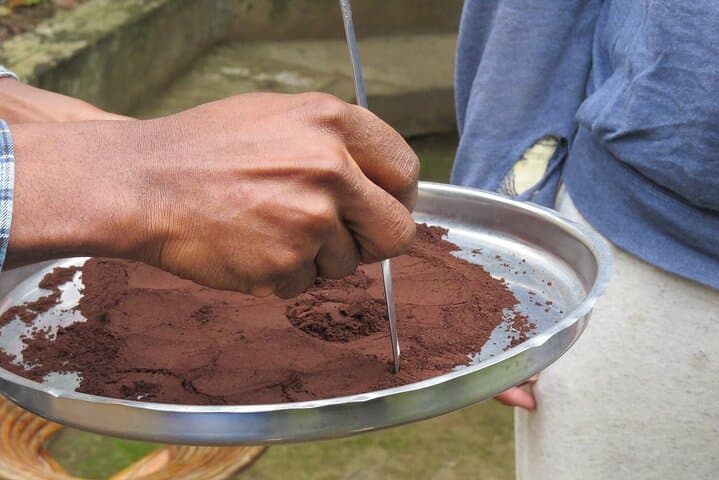
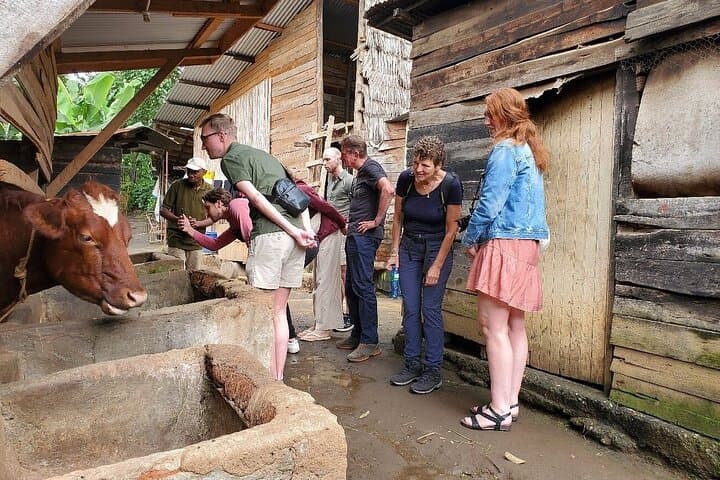
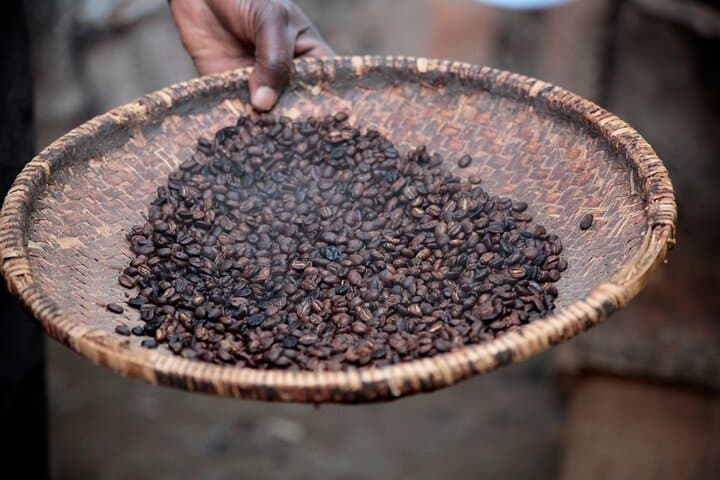
On this four-hour farm tour guests walk planting rows, try hand-picking, observe wet and dry processing stations, and taste coffee roasted on-site. Expect steady, soft dirt tracks, brief uphill sections for viewpoints, and shaded breaks under avocado and banana trees where guides explain varietals and grading.
Practical guidance: wear closed-toe shoes with grip, bring sun protection and a light rain layer (weather shifts fast on the slopes), and carry small cash for local crafts. Mornings are best for picking and photographs; late rains can make tracks slick. Respect harvest windows—ask before photographing workers—and tip guides when service is personal and informative.
easy.
3–4 hours.
Suitable for most fitness levels; involves several short walks on uneven ground and brief uphill stretches.
Most tours include hotel pickup and drop-off within Arusha city—confirm your pickup point when booking.
Yes; the tour is rated easy, but infants should sit on an adult’s lap and children should be supervised during hands-on activities.
Yes—on-site roasting and tastings are standard, and many farms sell roasted beans and small-batch souvenir packs.
Processing stations and fields are primarily on uneven terrain; accessibility is limited—contact the operator to discuss specific needs.
Coffee cultivation in the Arusha region expanded under 20th-century plantation and cooperative systems; smallholder farms now dominate production and local markets.
Many farms use shade-grown methods that support bird habitat and soil health; tours provide income that encourages sustainable practices and community stewardship.
RIOBA SAFARIS operates guided outdoor trips and adventures with an emphasis on safety, stewardship, and memorable experiences.
Early light spills over Mount Meru and the farm paths smell of damp earth and green cherries. Visitors move between low hedgerows of coffee, fingers learning to distinguish a ripe, heavy berry from one that needs another week. The mountain watches; the plants lean toward the sunlight, offering beans like small, patient treasures.
Early light spills over Mount Meru and the farm paths smell of damp earth and green cherries. Visitors move between low hedgerows of coffee, fingers learning to distinguish a ripe, heavy berry from one that needs another week. The mountain watches; the plants lean toward the sunlight, offering beans like small, patient treasures.
Coffee arrived in this region during the colonial era and became central to northern Tanzania’s economy—smallholder plots and cooperative farms reshaped both landscape and livelihoods. Geologically, the volcanic soils of Mount Meru and nearby ridges give coffee its acidity and floral notes; the elevation creates cool nights that slow bean maturation and concentrate sugars. The local culture is hands-on and social: farmers prune, sort, and roast in communal rhythms, and cups are shared as stories are swapped.
On this four-hour farm tour guests walk planting rows, try hand-picking, observe wet and dry processing stations, and taste coffee roasted on-site. Expect steady, soft dirt tracks, brief uphill sections for viewpoints, and shaded breaks under avocado and banana trees where guides explain varietals and grading.
Practical guidance: wear closed-toe shoes with grip, bring sun protection and a light rain layer (weather shifts fast on the slopes), and carry small cash for local crafts. Mornings are best for picking and photographs; late rains can make tracks slick. Respect harvest windows—ask before photographing workers—and tip guides when service is personal and informative.