THE ADVENTURE COLLECTIVE® · Independent discovery and booking for outdoor travel

A three-day private drive from Ypres to Amiens that follows Australian units across the Western Front. Visit key sites—Menin Gate, Fromelles, Pozieres and the Sir John Monash Centre—while a local guide tailors the itinerary to family history or focused interests.
A three-day private drive from Ypres to Amiens that follows Australian units across the Western Front. Visit key sites—Menin Gate, Fromelles, Pozieres and the Sir John Monash Centre—while a local guide tailors the itinerary to family history or focused interests.
You step out of the minivan into a low light that seems to make the flat fields sharper: poppy-stung meadows, hedgerows cut by century-old furrows, and the stone faces of war memorials catching the wind. Over three days the route moves south from Ypres’ cobbled square and Menin Gate toward the low ridges and rolling farmland of the Somme — an emotional geography marked by craters, cemeteries and preserved trench lines.
Verified experiences and guided adventures in the surrounding area.
Operated by A Foreign Field WW1 Tours · Ypres, West Flanders
You step out of the minivan into a low light that seems to make the flat fields sharper: poppy-stung meadows, hedgerows cut by century-old furrows, and the stone faces of war memorials catching the wind. Over three days the route moves south from Ypres’ cobbled square and Menin Gate toward the low ridges and rolling farmland of the Somme — an emotional geography marked by craters, cemeteries and preserved trench lines.
This private Australian-focused tour traces key actions from Messines and Passchendaele through Fromelles, Bullecourt, Pozieres and Le Hamel to Amiens. The landscape is the product of both geology and history: clay-rich soils that held water in 1917 and were blasted into deep craters, now grassed and quiet. Cultural memory is everywhere — Commonwealth War Graves Commission headstones, the Menin Gate's nightly Last Post, and museums like In Flanders Fields and the Sir John Monash Centre that contextualize strategy, sacrifice and identification work that continues today.
Expect mostly vehicle-based travel with short guided walks to bunkers, cemeteries and museum exhibits; many stops include accessible paths but some sites have uneven ground. If you travel with family history in mind the private format allows tailored visits to specific graves or memorials.
Practicalities: bring weatherproof layers, allow time for quiet reflection at cemeteries, carry identification for cross-border travel, and budget for meals and museum admissions. Mornings are best for photography and cooler conditions; late afternoons cast long shadows that sharpen contours and stories on the land.
easy.
3 days (≈72 hours).
Suitable for most fitness levels — primarily vehicle travel with short guided walks of up to 1 km at a time
Yes — this private tour is designed to be tailored; provide names, service numbers or cemetery references when booking so the guide can plan visits.
Complementary water is provided but museum admissions and meals are at the traveler's expense; the itinerary notes which museums have admission fees.
Many main sites and museums offer accessible paths, but some trench remnants and older cemeteries have uneven ground — contact the operator ahead to map a fully accessible route.
Ypres is reachable by regional train and bus from Lille and Bruges; the operator can arrange door-to-door pickup if requested at booking.
Australian units played major roles on the Western Front from 1916–1918, suffering heavy losses at Pozieres, Fromelles and Passchendaele; memorials and museums chronicle identification and commemoration work that continues today.
Sites are protected by the Commonwealth War Graves Commission and local authorities — visitors should stay on paths, avoid disturbing markers and refrain from metal detecting.
A Foreign Field WW1 Tours operates guided outdoor trips and adventures with an emphasis on safety, stewardship, and memorable experiences.
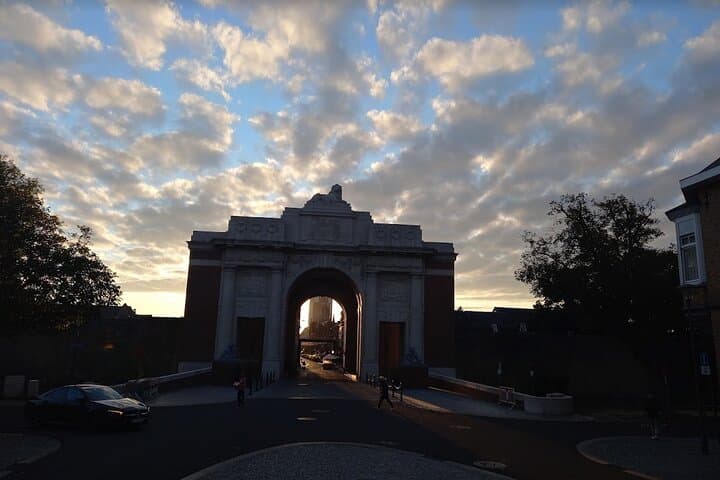

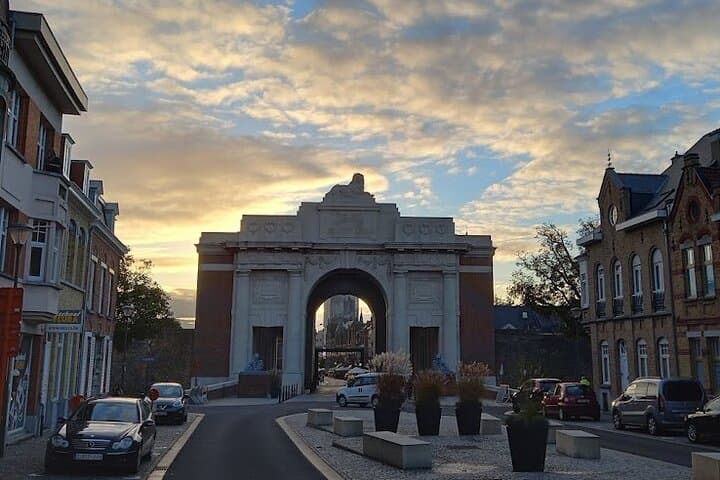

You step out of the minivan into a low light that seems to make the flat fields sharper: poppy-stung meadows, hedgerows cut by century-old furrows, and the stone faces of war memorials catching the wind. Over three days the route moves south from Ypres’ cobbled square and Menin Gate toward the low ridges and rolling farmland of the Somme — an emotional geography marked by craters, cemeteries and preserved trench lines.
You step out of the minivan into a low light that seems to make the flat fields sharper: poppy-stung meadows, hedgerows cut by century-old furrows, and the stone faces of war memorials catching the wind. Over three days the route moves south from Ypres’ cobbled square and Menin Gate toward the low ridges and rolling farmland of the Somme — an emotional geography marked by craters, cemeteries and preserved trench lines.
This private Australian-focused tour traces key actions from Messines and Passchendaele through Fromelles, Bullecourt, Pozieres and Le Hamel to Amiens. The landscape is the product of both geology and history: clay-rich soils that held water in 1917 and were blasted into deep craters, now grassed and quiet. Cultural memory is everywhere — Commonwealth War Graves Commission headstones, the Menin Gate's nightly Last Post, and museums like In Flanders Fields and the Sir John Monash Centre that contextualize strategy, sacrifice and identification work that continues today.
Expect mostly vehicle-based travel with short guided walks to bunkers, cemeteries and museum exhibits; many stops include accessible paths but some sites have uneven ground. If you travel with family history in mind the private format allows tailored visits to specific graves or memorials.
Practicalities: bring weatherproof layers, allow time for quiet reflection at cemeteries, carry identification for cross-border travel, and budget for meals and museum admissions. Mornings are best for photography and cooler conditions; late afternoons cast long shadows that sharpen contours and stories on the land.