THE ADVENTURE COLLECTIVE® · Independent discovery and booking for outdoor travel

A full-day private tour from Albert that traces Australia’s actions on the Somme, from the Sir John Monash Centre’s interactive exhibits to preserved trenches and memorials. Ideal for relatives’ research or a focused historical visit.
A full-day private tour from Albert that traces Australia’s actions on the Somme, from the Sir John Monash Centre’s interactive exhibits to preserved trenches and memorials. Ideal for relatives’ research or a focused historical visit.
The coach pulls away from Albert station and the morning air carries the quiet that hangs over this section of the Somme — fields scored with shell-holes, low stone cemeteries, and the slow geometry of preserved trenches. Guides meet you at the station and lead a day that moves between interpretive galleries and ground where units fought.
Verified experiences and guided adventures in the surrounding area.
Operated by ALW Battlefield Tours · Albert, Somme
The coach pulls away from Albert station and the morning air carries the quiet that hangs over this section of the Somme — fields scored with shell-holes, low stone cemeteries, and the slow geometry of preserved trenches. Guides meet you at the station and lead a day that moves between interpretive galleries and ground where units fought.
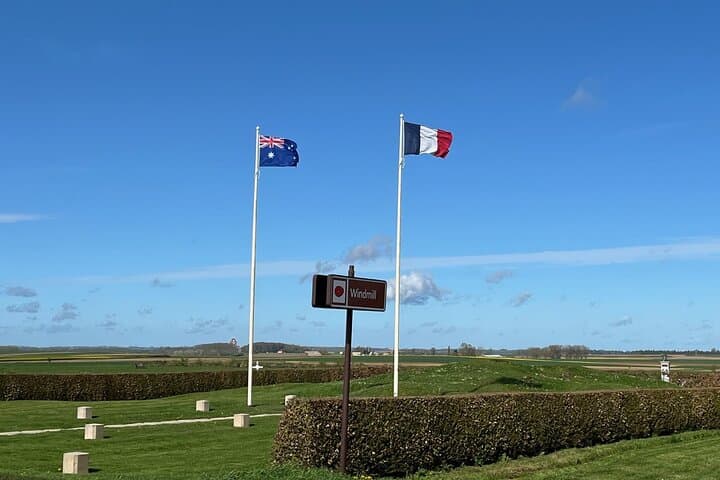
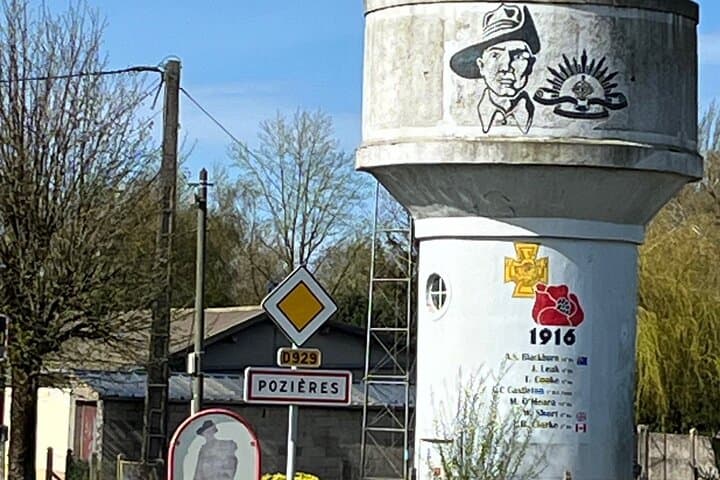
The Sir John Monash Centre at Villers-Bretonneux uses immersive audio and personal stories to frame Australia’s role in 1918; its interactive exhibits require a phone and earbuds so narratives unfold around you. From there the tour follows the Somme’s scarred geology — clay and chalk that held trench lines and swallowed artillery — to iconic sites such as Pozieres, the Lochnagar (largest man-made crater) and preserved trench systems where the width and contour of the battlefield are still legible.
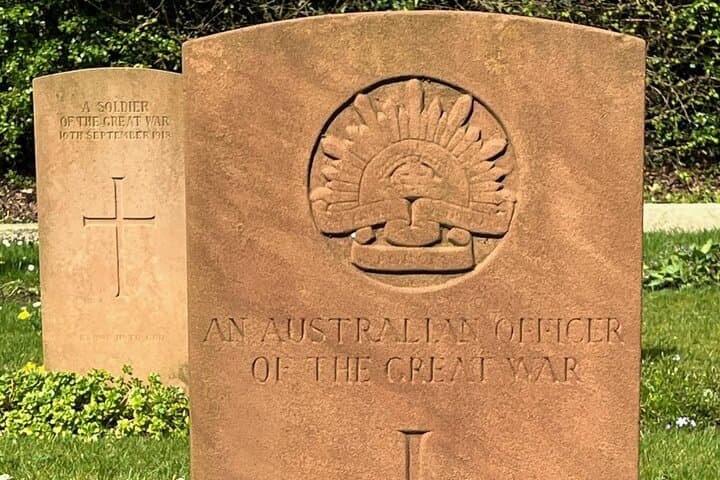
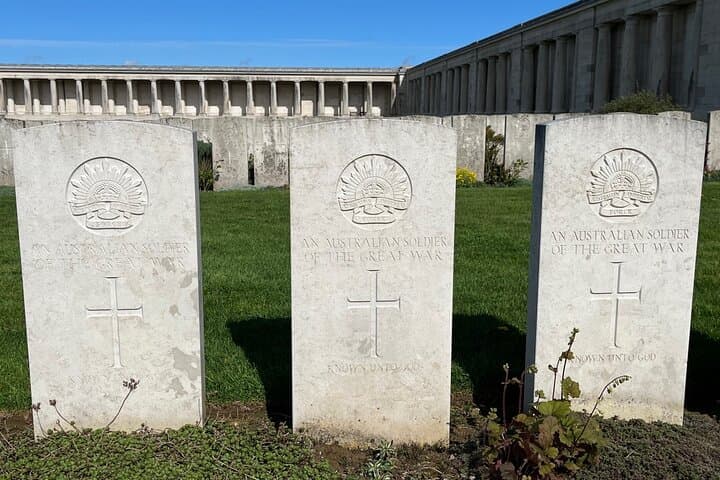
Culturally the region is shaped by commemoration: neatly maintained Commonwealth war graves, village memorial plaques, and small museums that reflect local ties to ANZAC history. Guides with local knowledge can adapt the day to include family research or specific grave visits.
Practically this is a full-day, vehicle-led outing with short walks, some uneven ground and steps at memorials. Expect variable weather and wear sturdy shoes; bring a charged phone and earbuds for the Centre’s audio, water and a respectful attitude at cemeteries. The pace is reflective: pauses for reading names, for standing on ridgelines where strategy and sacrifice intersect. For participants seeking a focused, personalized encounter with Australia’s WWI presence, this tour pairs context-rich storytelling with direct access to the places themselves.
easy.
8–9 hours.
Suitable for those comfortable with several short walks and standing; mostly vehicle-based.
Yes; the tour includes air-conditioned vehicle transport with pick-up and drop-off at an agreed hotel or Albert train station.
With suitable notice and available records the operator can prepare a bespoke itinerary focused on an individual soldier or unit.
Walks are generally short but include uneven ground, trench steps and short climbs; the tour is described as suitable for all fitness levels.
Admission to the Centre is free, but you will need a phone and earbuds for the interactive portions; some small museums visited may be optional and depend on time.
This corridor of the Somme saw intense fighting in 1916–18; Australian units played pivotal roles at Villers-Bretonneux and Pozieres, commemorated at the Sir John Monash Centre.
Many sites are protected as memorial parks and war graves; visitors should stay on marked paths, avoid metal-detecting and follow local signage to preserve fragile earthworks.
ALW Battlefield Tours operates guided outdoor trips and adventures with an emphasis on safety, stewardship, and memorable experiences.
The coach pulls away from Albert station and the morning air carries the quiet that hangs over this section of the Somme — fields scored with shell-holes, low stone cemeteries, and the slow geometry of preserved trenches. Guides meet you at the station and lead a day that moves between interpretive galleries and ground where units fought.
The coach pulls away from Albert station and the morning air carries the quiet that hangs over this section of the Somme — fields scored with shell-holes, low stone cemeteries, and the slow geometry of preserved trenches. Guides meet you at the station and lead a day that moves between interpretive galleries and ground where units fought.
The Sir John Monash Centre at Villers-Bretonneux uses immersive audio and personal stories to frame Australia’s role in 1918; its interactive exhibits require a phone and earbuds so narratives unfold around you. From there the tour follows the Somme’s scarred geology — clay and chalk that held trench lines and swallowed artillery — to iconic sites such as Pozieres, the Lochnagar (largest man-made crater) and preserved trench systems where the width and contour of the battlefield are still legible.
Culturally the region is shaped by commemoration: neatly maintained Commonwealth war graves, village memorial plaques, and small museums that reflect local ties to ANZAC history. Guides with local knowledge can adapt the day to include family research or specific grave visits.
Practically this is a full-day, vehicle-led outing with short walks, some uneven ground and steps at memorials. Expect variable weather and wear sturdy shoes; bring a charged phone and earbuds for the Centre’s audio, water and a respectful attitude at cemeteries. The pace is reflective: pauses for reading names, for standing on ridgelines where strategy and sacrifice intersect. For participants seeking a focused, personalized encounter with Australia’s WWI presence, this tour pairs context-rich storytelling with direct access to the places themselves.