THE ADVENTURE COLLECTIVE® · Independent discovery and booking for outdoor travel

A short, family-friendly trek from Pokhara into the southern Annapurna foothills, Australian Camp delivers sweeping mountain views, terraced rice fields, and teahouse nights. This 7-day option is designed for beginners and kids while still offering authentic Himalayan culture and close-up peak panoramas.
A short, family-friendly trek from Pokhara into the southern Annapurna foothills, Australian Camp delivers sweeping mountain views, terraced rice fields, and teahouse nights. This 7-day option is designed for beginners and kids while still offering authentic Himalayan culture and close-up peak panoramas.
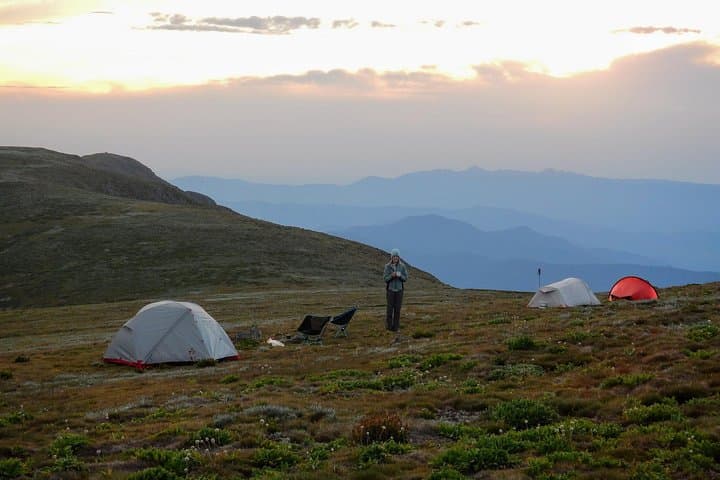
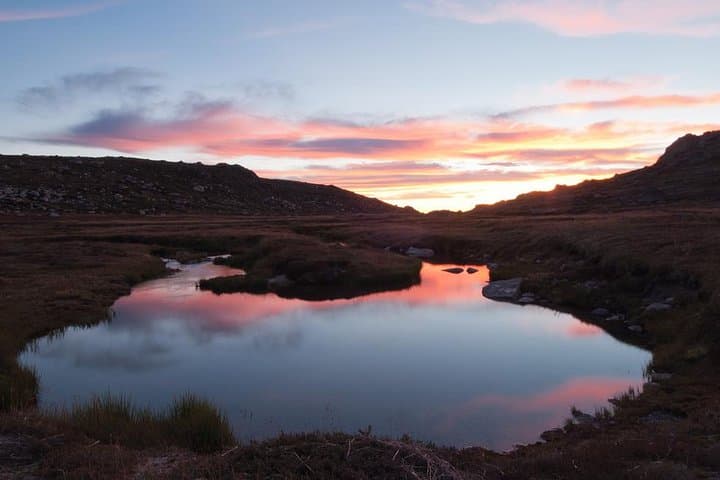
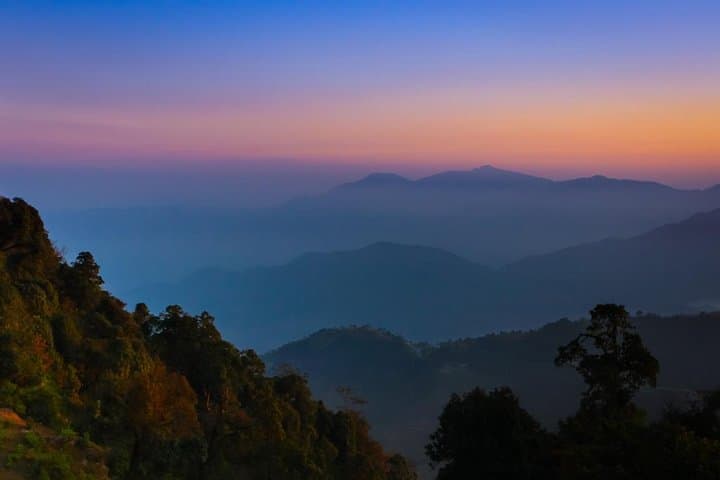
You step out of Pokhara's palm-lined lakefront before dawn and the air, still cool, nudges you toward the ridgelines above. The path climbs through tiered rice fields and over moss-stepped stone stairways; every switchback opens a wider frame of Annapurna II, Annapurna South, Fishtail (Machapuchare) and, on clear days, Dhaulagiri. Children run ahead on narrow trails while porters and teahouse smoke mark the route.
Verified experiences and guided adventures in the surrounding area.
Operated by Shishu Tours & Travel · Pokhara, Gandaki Province
You step out of Pokhara's palm-lined lakefront before dawn and the air, still cool, nudges you toward the ridgelines above. The path climbs through tiered rice fields and over moss-stepped stone stairways; every switchback opens a wider frame of Annapurna II, Annapurna South, Fishtail (Machapuchare) and, on clear days, Dhaulagiri. Children run ahead on narrow trails while porters and teahouse smoke mark the route.
The Australian Camp area sits on the southern flank of the Annapurna Conservation Area, a protected landscape shaped by tectonic uplift and centuries of terrace farming. Villages here reflect Gurung and Magar mountain culture: simple teahouses, prayer flags, and warm dal bhat at day’s end. The region’s geology—folded sedimentary rock pushed high by the Indian plate—creates steep ridges and panoramic viewpoints that aren’t far from the valley floor.
Expect easy to moderate walking: the main ascent from Pokhara (~820 m) to Australian Camp (≈1,700–1,800 m) is roughly 700–1,000 m of elevation gain spread over several days, with daily stretches of 3–6 hours on mixed dirt track, stone steps, and forested singletrack. Accommodations are teahouse-style; water is available but treat or filter it. Early morning windows offer the best light for the peaks; afternoons can cloud in the monsoon.
Practical advice: wear broken-in hiking shoes, layer for rapid temperature swings, carry a 1–2 liter hydration system, and bring small-denomination cash for teahouses. For families, pace days conservatively, prioritize acclimatization, and use local guides for route choices and cultural context. The trail rewards patient hikers with close mountain views, easy etiquette encounters with locals, and a compact, kid-friendly taste of the Annapurna range.
easy.
6–8 days.
Suitable for novice hikers and families with basic walking fitness; able to manage several hours of uphill and downhill walking daily.
Yes—this itinerary is marketed as kid-friendly; choose shorter walking days, monitor energy, and consult guides about pace and accommodation.
Trekkers entering the Annapurna Conservation Area require an ACAP permit and TIMS card—these are typically arranged in Pokhara or through your operator.
Teahouse lodging (shared rooms, basic toilets) during the trek and standard hotels in Pokhara/Kathmandu; heating and hot showers vary by season and lodge.
Top elevations are around 1,700–1,800 m—altitude sickness is uncommon at these heights, but take conservative pacing and stay hydrated.
The trails link centuries-old trade and seasonal grazing routes used by Gurung and Magar communities; modern teahouses grew with increased trekking in the 1970s–90s.
The trek lies inside the Annapurna Conservation Area, which balances tourism with local stewardship—follow leave-no-trace practices and minimize single-use plastics.
Shishu Tours & Travel operates guided outdoor trips and adventures with an emphasis on safety, stewardship, and memorable experiences.
You step out of Pokhara's palm-lined lakefront before dawn and the air, still cool, nudges you toward the ridgelines above. The path climbs through tiered rice fields and over moss-stepped stone stairways; every switchback opens a wider frame of Annapurna II, Annapurna South, Fishtail (Machapuchare) and, on clear days, Dhaulagiri. Children run ahead on narrow trails while porters and teahouse smoke mark the route.
You step out of Pokhara's palm-lined lakefront before dawn and the air, still cool, nudges you toward the ridgelines above. The path climbs through tiered rice fields and over moss-stepped stone stairways; every switchback opens a wider frame of Annapurna II, Annapurna South, Fishtail (Machapuchare) and, on clear days, Dhaulagiri. Children run ahead on narrow trails while porters and teahouse smoke mark the route.
The Australian Camp area sits on the southern flank of the Annapurna Conservation Area, a protected landscape shaped by tectonic uplift and centuries of terrace farming. Villages here reflect Gurung and Magar mountain culture: simple teahouses, prayer flags, and warm dal bhat at day’s end. The region’s geology—folded sedimentary rock pushed high by the Indian plate—creates steep ridges and panoramic viewpoints that aren’t far from the valley floor.
Expect easy to moderate walking: the main ascent from Pokhara (~820 m) to Australian Camp (≈1,700–1,800 m) is roughly 700–1,000 m of elevation gain spread over several days, with daily stretches of 3–6 hours on mixed dirt track, stone steps, and forested singletrack. Accommodations are teahouse-style; water is available but treat or filter it. Early morning windows offer the best light for the peaks; afternoons can cloud in the monsoon.
Practical advice: wear broken-in hiking shoes, layer for rapid temperature swings, carry a 1–2 liter hydration system, and bring small-denomination cash for teahouses. For families, pace days conservatively, prioritize acclimatization, and use local guides for route choices and cultural context. The trail rewards patient hikers with close mountain views, easy etiquette encounters with locals, and a compact, kid-friendly taste of the Annapurna range.