THE ADVENTURE COLLECTIVE® · Independent discovery and booking for outdoor travel

A half‑day ridge hike from Pokhara to Australian Camp (Thulo Kharka) delivers sweeping views of Dhaulagiri, Annapurna and Machhapuchare. Expect a 5–6 hour outing with forested climbs, meadow viewpoints and village stops at Dhampus.
A half‑day ridge hike from Pokhara to Australian Camp (Thulo Kharka) delivers sweeping views of Dhaulagiri, Annapurna and Machhapuchare. Expect a 5–6 hour outing with forested climbs, meadow viewpoints and village stops at Dhampus.
Early light on the ridge cuts the Annapurna skyline into hard edges; prayer flags snatch at the wind and the path up to Australian Camp rises through cool rhododendron and pine, promising the broad show of Dhaulagiri, Annapurna and the fish‑tailed Machhapuchare.
Verified experiences and guided adventures in the surrounding area.
Operated by Transport Hub Nepal · Pokhara, Gandaki Province
Early light on the ridge cuts the Annapurna skyline into hard edges; prayer flags snatch at the wind and the path up to Australian Camp rises through cool rhododendron and pine, promising the broad show of Dhaulagiri, Annapurna and the fish‑tailed Machhapuchare.
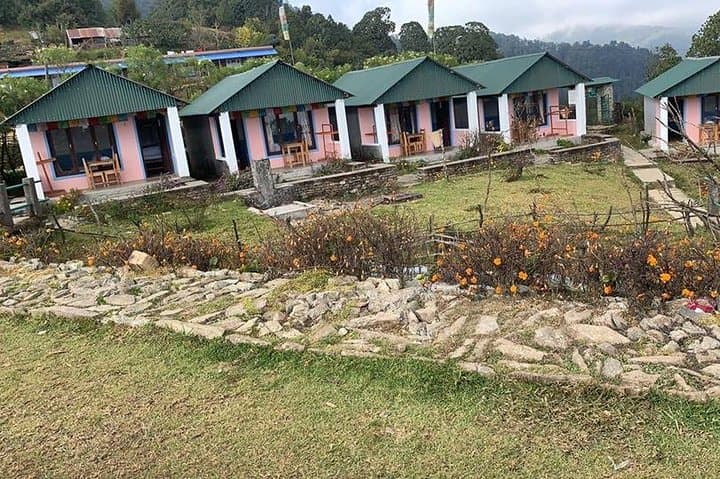
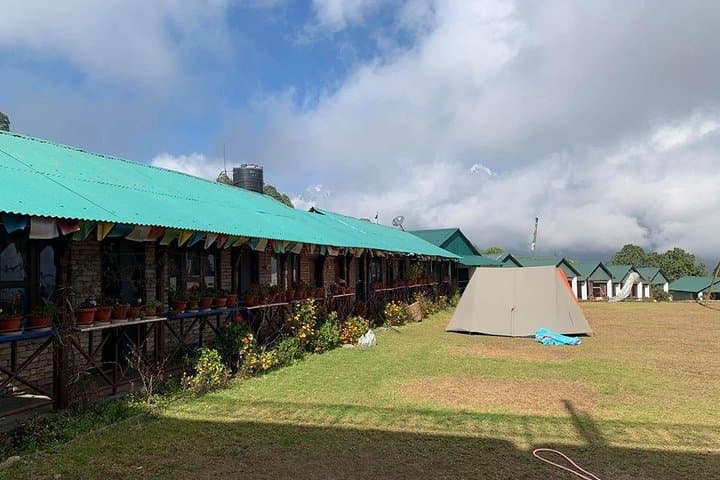
The site known locally as Thulo Kharka—literally "large pasture"—was once seasonal grazing for village cattle. Geologically the ridge is an uplifted terrace of older metamorphic rock, carved by monsoon runoff and human terraces; culturally it’s a crossroads between Kande, Dhampus and Pokhara’s lake communities, with simple lodges that grew up to serve trekkers and local pilgrims.
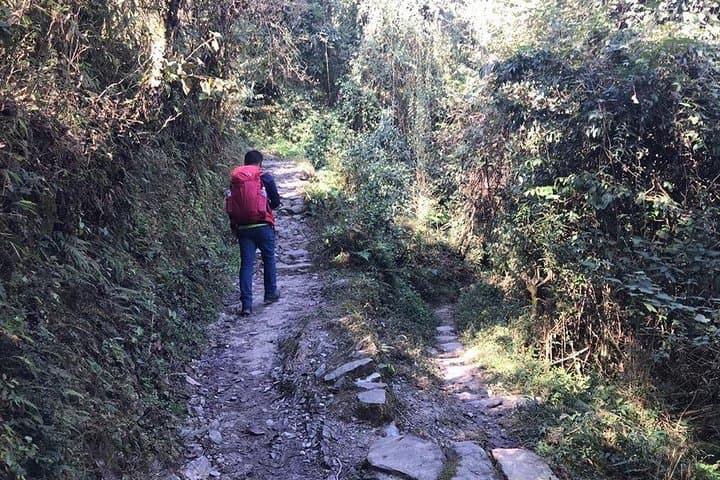
On the trail expect a steady uphill gain through shaded forest, then an opening to meadows at about 2,050 m where views fan out west and north. The route moves between village tracks, stone steps and packed dirt; understory and farm fields mean early spring rhododendrons and autumn barley stubble will color the slopes.
Practically: plan a 5–6 hour outing including short drives from Pokhara, start early to avoid midday haze and afternoon clouds, and allow time for a solid lunch at a ridge lodge. Hydrate before the ascent, bring layers for wind at the viewpoint, and wear stout shoes for short steep sections and loose scree on descents. Guides and local transport are commonly available and recommended for first‑time visitors.
This is a hike that balances accessible effort with dramatic reward—big mountain views within a half‑day from Pokhara, with cultural stops in small hill villages on the return leg.
moderate.
5–6 hours.
Moderate fitness: comfortable with continuous uphill walking and short steep sections; regular walkers will be fine.
The road drive is roughly 45–90 minutes depending on traffic and exact pickup point—operators typically schedule a short transfer both ways.
No—experienced independent hikers can do it, but a local guide is helpful for navigation, local insight and arranging transport or lodge stops.
Yes—several teahouses and small lodges at Australian Camp and surrounding ridges serve lunch, tea and snacks; options are simple but satisfying.
The route is suitable for broader fitness levels but includes steady uphill stretches; pace the hike, bring rest breaks, and consider transport options for parts of the route.
Thulo Kharka has long served as seasonal pasture for local villages; lodges and trekking routes developed in the late 20th century as Pokhara became a trekking hub.
Stick to established trails and use lodge facilities to limit trampling; water and fuel use near ridgelines is sensitive—carry out waste where possible.
Transport Hub Nepal operates guided outdoor trips and adventures with an emphasis on safety, stewardship, and memorable experiences.
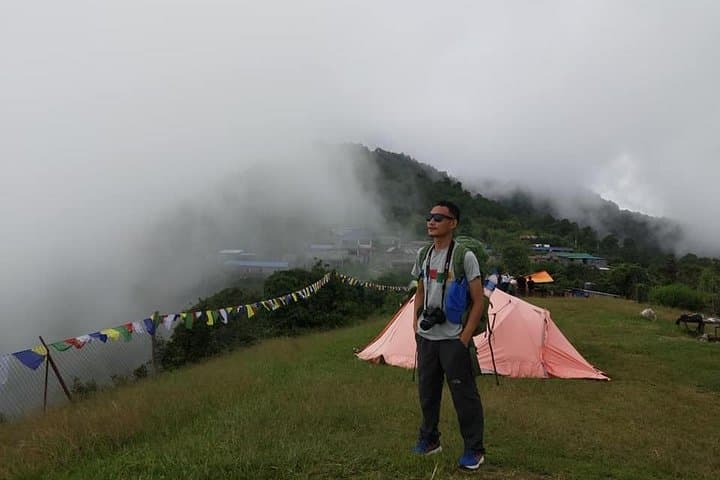
Early light on the ridge cuts the Annapurna skyline into hard edges; prayer flags snatch at the wind and the path up to Australian Camp rises through cool rhododendron and pine, promising the broad show of Dhaulagiri, Annapurna and the fish‑tailed Machhapuchare.
Early light on the ridge cuts the Annapurna skyline into hard edges; prayer flags snatch at the wind and the path up to Australian Camp rises through cool rhododendron and pine, promising the broad show of Dhaulagiri, Annapurna and the fish‑tailed Machhapuchare.
The site known locally as Thulo Kharka—literally "large pasture"—was once seasonal grazing for village cattle. Geologically the ridge is an uplifted terrace of older metamorphic rock, carved by monsoon runoff and human terraces; culturally it’s a crossroads between Kande, Dhampus and Pokhara’s lake communities, with simple lodges that grew up to serve trekkers and local pilgrims.
On the trail expect a steady uphill gain through shaded forest, then an opening to meadows at about 2,050 m where views fan out west and north. The route moves between village tracks, stone steps and packed dirt; understory and farm fields mean early spring rhododendrons and autumn barley stubble will color the slopes.
Practically: plan a 5–6 hour outing including short drives from Pokhara, start early to avoid midday haze and afternoon clouds, and allow time for a solid lunch at a ridge lodge. Hydrate before the ascent, bring layers for wind at the viewpoint, and wear stout shoes for short steep sections and loose scree on descents. Guides and local transport are commonly available and recommended for first‑time visitors.
This is a hike that balances accessible effort with dramatic reward—big mountain views within a half‑day from Pokhara, with cultural stops in small hill villages on the return leg.