THE ADVENTURE COLLECTIVE® · Independent discovery and booking for outdoor travel

A straightforward, beginner-friendly day hike from Pokhara that links Dhampus, Australian Camp and Sarangkot for unbeatable close-up views of Annapurna, Fishtail and Hiunchuli. Start early, layer up, and plan for steep viewpoints with well-graded trails between villages.
A straightforward, beginner-friendly day hike from Pokhara that links Dhampus, Australian Camp and Sarangkot for unbeatable close-up views of Annapurna, Fishtail and Hiunchuli. Start early, layer up, and plan for steep viewpoints with well-graded trails between villages.
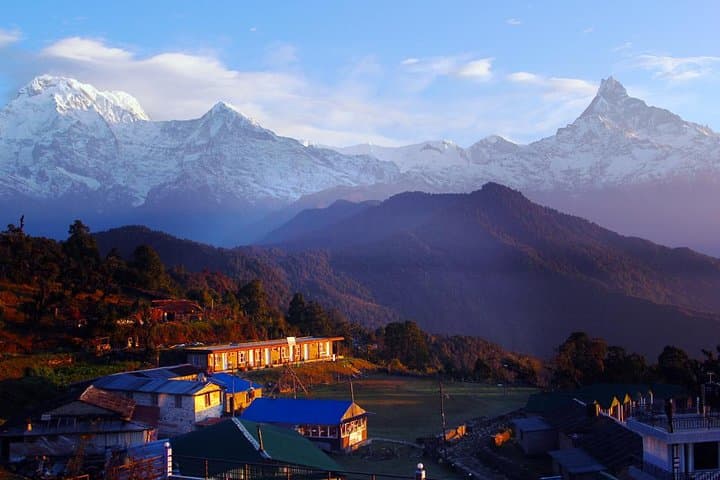
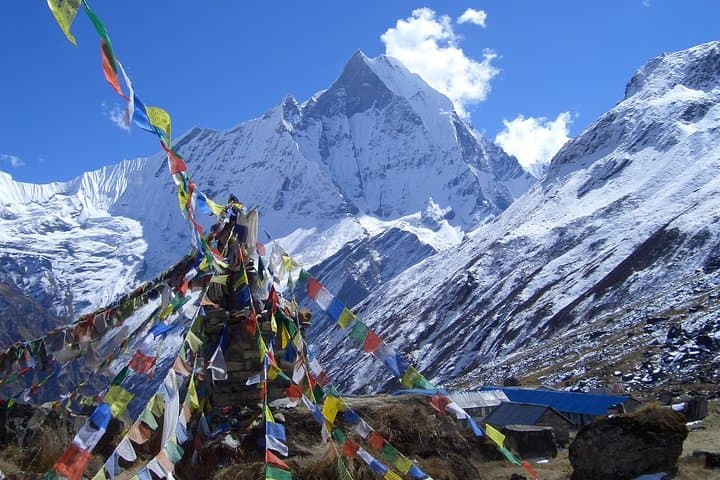
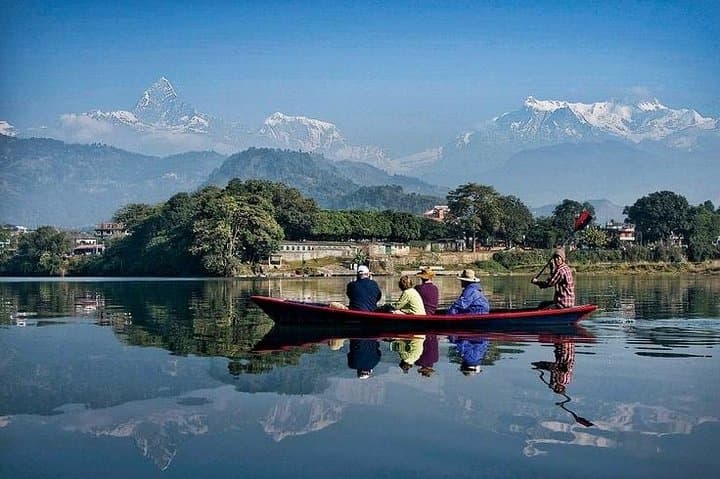
Morning light slices across the Annapurna range as small groups shuffle up the dusty switchbacks toward Australian Camp. The air is thin with pine resin and distant prayer flags snap; below, Pokhara’s lake sits flat and glassy, reflecting a jagged crown of peaks that seem close enough to touch.
Verified experiences and guided adventures in the surrounding area.
Operated by Adventure Thirdpole · Pokhara, Gandaki Province
Morning light slices across the Annapurna range as small groups shuffle up the dusty switchbacks toward Australian Camp. The air is thin with pine resin and distant prayer flags snap; below, Pokhara’s lake sits flat and glassy, reflecting a jagged crown of peaks that seem close enough to touch.
The route links two classic viewpoints—Australian Camp and Sarangkot—via villages like Dhampus, where terraced fields and stone houses show the region’s agricultural rhythm. Geologically, you walk on uplifted Himalayan foothills of metamorphic rock; the dramatic relief is the slow result of the India-Eurasia plate collision. Culturally, Gurung and Magar communities populate the trails, and a brief chat with a local farmer or tea-house owner gives a sense of daily life at 1,300–1,600 m.
Expect 5–6 hours of mostly well-defined trails with steady but gentle climbs and a few short steeper sections; total elevation change is moderate and the terrain alternates between packed dirt, stair-like stone, and occasional grassy ridgelines. Weather can turn quickly—monsoon months bring slick sections while winter mornings can be frosty and clear.
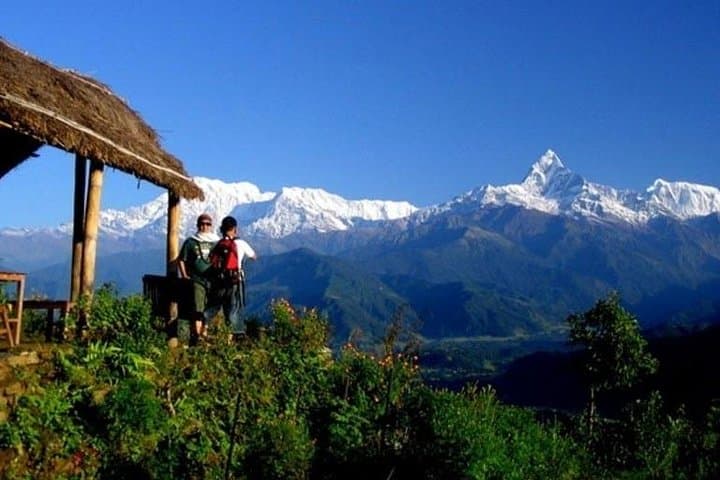
Practical guidance: start early for the sunrise panorama from Sarangkot, carry layers and a waterproof shell, and bring 1–2 liters of water. Footwear with good grip matters more than technical gear—this is a beginner-friendly outing but one that rewards respect for altitude and sun exposure. The trail is ideal for first-time hikers who want immediate Himalayan views without multi-day logistics.
easy.
5–6 hours.
Suitable for beginners in reasonable health; expect steady walking and short climbs—basic cardio fitness recommended.
Typical itineraries take 5–6 hours round-trip with gentle to moderate climbs; it’s considered beginner-friendly with no technical sections.
No permit is required for day hikes; a guide is helpful for local insight and logistics, and many operators include pickup from Pokhara.
October–December and March–May offer the clearest mountain views; monsoon months (June–September) bring heavy rain and limited visibility.
Yes—tea houses and small lodges in Dhampus and around Australian Camp offer snacks, hot drinks and basic rest stops.
The villages along the route are traditional Gurung and Magar settlements; many residents have long histories of service in Gurkha regiments and subsistence farming of millet and maize.
Stick to marked trails, avoid single-use plastics at tea houses, and support local businesses—tourism income funds trail maintenance and community projects.
Adventure Thirdpole operates guided outdoor trips and adventures with an emphasis on safety, stewardship, and memorable experiences.
Morning light slices across the Annapurna range as small groups shuffle up the dusty switchbacks toward Australian Camp. The air is thin with pine resin and distant prayer flags snap; below, Pokhara’s lake sits flat and glassy, reflecting a jagged crown of peaks that seem close enough to touch.
Morning light slices across the Annapurna range as small groups shuffle up the dusty switchbacks toward Australian Camp. The air is thin with pine resin and distant prayer flags snap; below, Pokhara’s lake sits flat and glassy, reflecting a jagged crown of peaks that seem close enough to touch.
The route links two classic viewpoints—Australian Camp and Sarangkot—via villages like Dhampus, where terraced fields and stone houses show the region’s agricultural rhythm. Geologically, you walk on uplifted Himalayan foothills of metamorphic rock; the dramatic relief is the slow result of the India-Eurasia plate collision. Culturally, Gurung and Magar communities populate the trails, and a brief chat with a local farmer or tea-house owner gives a sense of daily life at 1,300–1,600 m.
Expect 5–6 hours of mostly well-defined trails with steady but gentle climbs and a few short steeper sections; total elevation change is moderate and the terrain alternates between packed dirt, stair-like stone, and occasional grassy ridgelines. Weather can turn quickly—monsoon months bring slick sections while winter mornings can be frosty and clear.
Practical guidance: start early for the sunrise panorama from Sarangkot, carry layers and a waterproof shell, and bring 1–2 liters of water. Footwear with good grip matters more than technical gear—this is a beginner-friendly outing but one that rewards respect for altitude and sun exposure. The trail is ideal for first-time hikers who want immediate Himalayan views without multi-day logistics.