THE ADVENTURE COLLECTIVE® · Independent discovery and booking for outdoor travel

Two days on the ridge above Pokhara, Australian Camp delivers dramatic Annapurna views via a steep stone-step trek from Kande. This guide outlines what to expect, how to prepare and the best window for clear mountain panoramas.
Two days on the ridge above Pokhara, Australian Camp delivers dramatic Annapurna views via a steep stone-step trek from Kande. This guide outlines what to expect, how to prepare and the best window for clear mountain panoramas.
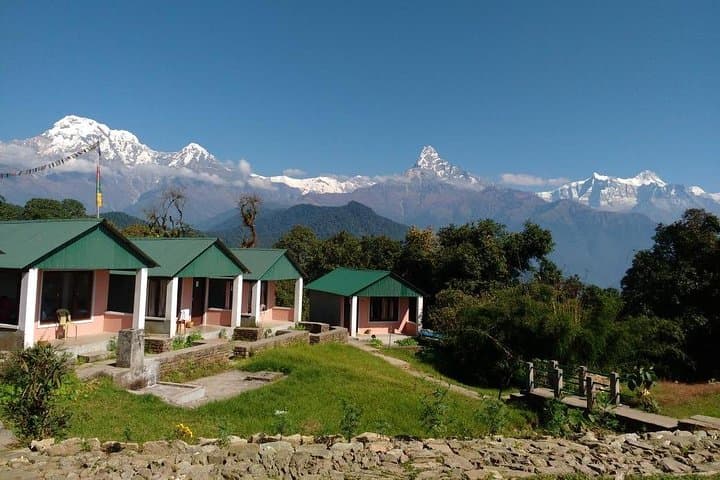
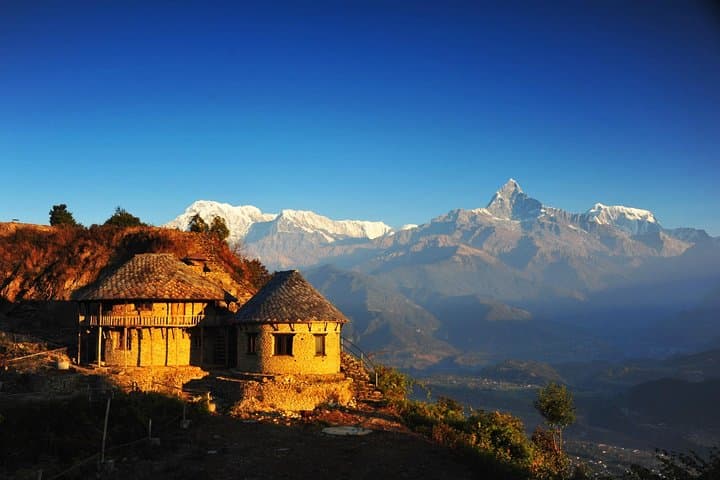
Morning light breaks over a low ridge and the silhouette of Machhapuchhre pushes into the sky — you stand on a grassy knob at Australian Camp and the Annapurna massif stretches like a raw, vertical map. The first day begins with a short drive from Pokhara to Sarangkot for sunrise, then a transfer to Kande and a steep, stair-bound trek up the ridge to the camp. Expect 1.5–2 hours of sustained climb on stone steps through terraced farmland and pine patches.
Verified experiences and guided adventures in the surrounding area.
Operated by Himalayan Social Journey · Pokhara, Gandaki Province
Morning light breaks over a low ridge and the silhouette of Machhapuchhre pushes into the sky — you stand on a grassy knob at Australian Camp and the Annapurna massif stretches like a raw, vertical map. The first day begins with a short drive from Pokhara to Sarangkot for sunrise, then a transfer to Kande and a steep, stair-bound trek up the ridge to the camp. Expect 1.5–2 hours of sustained climb on stone steps through terraced farmland and pine patches.
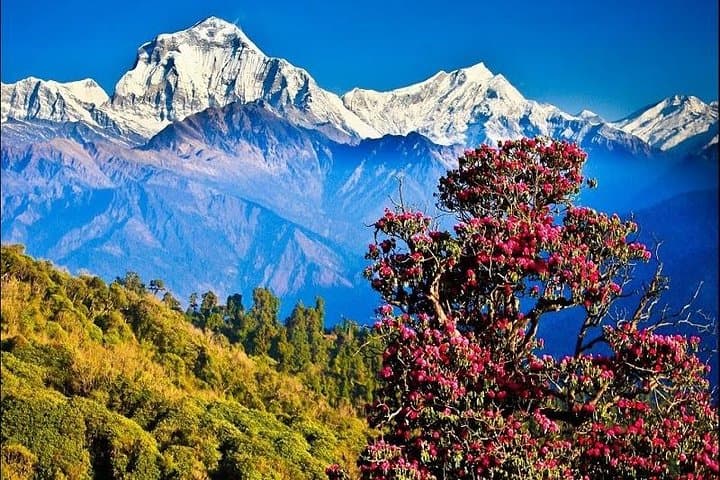
The ridge was long used by local Gurung and Magar communities as grazing and seasonal settlement land; lodges at the camp now host trekkers with basic tea-house comfort. Geologically, you’re on the lesser Himalaya’s folded limestone and shale, where weathered terraces peel away to reveal sharp views of Annapurna South (7,219 m), Hiunchuli and the iconic fishtail of Machhapuchhre.
Culturally, morning and evening are punctuated by bell-like calls from small village temples and the daily rhythm of yak and mule trains. For planning: carry warm layers for night, bring water and a headlamp for early starts, and allow time for altitude acclimatization if you’re arriving from lower elevations.
Day two is a relaxed descent to Kande (about two hours) and a short drive back to Pokhara. Lodging in small lodges is basic but serviceable; meals are Nepali-style dal bhaat and mountain tea. The walk is accessible to most hikers in moderate condition, but the stone stair sections are steep and can be slick when wet. Early morning departures and late-afternoon cloud buildups are common — time your summit-window for clear mountain visibility.
moderate.
2 days (approx. 6–8 hours trekking total).
Suitable for hikers with regular aerobic activity; must manage sustained uphill sections and stair climbs.
The trail is a steady, steep climb on uneven stone steps; fit beginners and regular hikers can complete it in 1.5–2 hours at a steady pace.
Accommodation is basic lodge-style with dorm or twin rooms; expect shared bathrooms and simple blankets—bring a warm liner for cold nights.
October–December and March–May offer the most stable visibility; mornings are usually clearest before daytime clouds form.
Australian Camp sits below 2,000 m so altitude sickness is uncommon, but allow a gentle pace if you’ve recently arrived from low elevations.
The area is traditionally used by Gurung and Magar communities for seasonal grazing; trekking lodges developed in the late 20th century as Pokhara became a gateway to the Annapurna region.
Stick to established trails and lodges to minimize erosion; local initiatives promote waste management and plastic reduction at popular campsites.
Himalayan Social Journey operates guided outdoor trips and adventures with an emphasis on safety, stewardship, and memorable experiences.
Morning light breaks over a low ridge and the silhouette of Machhapuchhre pushes into the sky — you stand on a grassy knob at Australian Camp and the Annapurna massif stretches like a raw, vertical map. The first day begins with a short drive from Pokhara to Sarangkot for sunrise, then a transfer to Kande and a steep, stair-bound trek up the ridge to the camp. Expect 1.5–2 hours of sustained climb on stone steps through terraced farmland and pine patches.
Morning light breaks over a low ridge and the silhouette of Machhapuchhre pushes into the sky — you stand on a grassy knob at Australian Camp and the Annapurna massif stretches like a raw, vertical map. The first day begins with a short drive from Pokhara to Sarangkot for sunrise, then a transfer to Kande and a steep, stair-bound trek up the ridge to the camp. Expect 1.5–2 hours of sustained climb on stone steps through terraced farmland and pine patches.
The ridge was long used by local Gurung and Magar communities as grazing and seasonal settlement land; lodges at the camp now host trekkers with basic tea-house comfort. Geologically, you’re on the lesser Himalaya’s folded limestone and shale, where weathered terraces peel away to reveal sharp views of Annapurna South (7,219 m), Hiunchuli and the iconic fishtail of Machhapuchhre.
Culturally, morning and evening are punctuated by bell-like calls from small village temples and the daily rhythm of yak and mule trains. For planning: carry warm layers for night, bring water and a headlamp for early starts, and allow time for altitude acclimatization if you’re arriving from lower elevations.
Day two is a relaxed descent to Kande (about two hours) and a short drive back to Pokhara. Lodging in small lodges is basic but serviceable; meals are Nepali-style dal bhaat and mountain tea. The walk is accessible to most hikers in moderate condition, but the stone stair sections are steep and can be slick when wet. Early morning departures and late-afternoon cloud buildups are common — time your summit-window for clear mountain visibility.