THE ADVENTURE COLLECTIVE® · Independent discovery and booking for outdoor travel

A brisk 2-day trek from Pokhara delivers panoramic views of Machhapuchhre and the Annapurna range from Australian Camp (≈2,100 m). This short overnight route combines village trails, forested climbs, and tea-house stays—ideal for hikers with moderate fitness who want a high-return Himalayan experience.
A brisk 2-day trek from Pokhara delivers panoramic views of Machhapuchhre and the Annapurna range from Australian Camp (≈2,100 m). This short overnight route combines village trails, forested climbs, and tea-house stays—ideal for hikers with moderate fitness who want a high-return Himalayan experience.
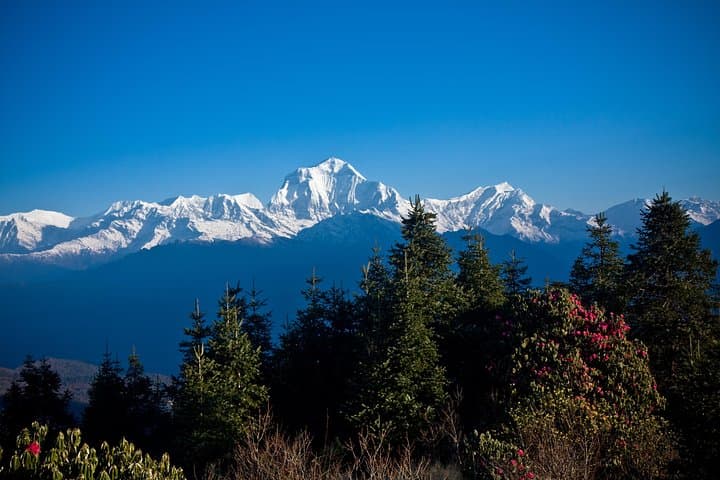
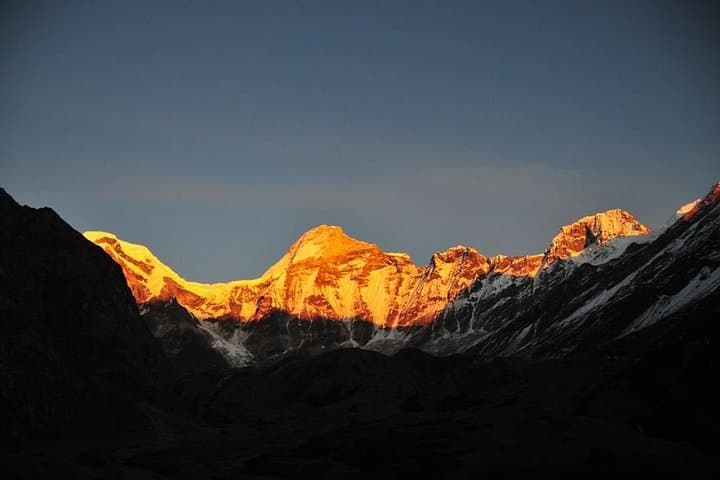
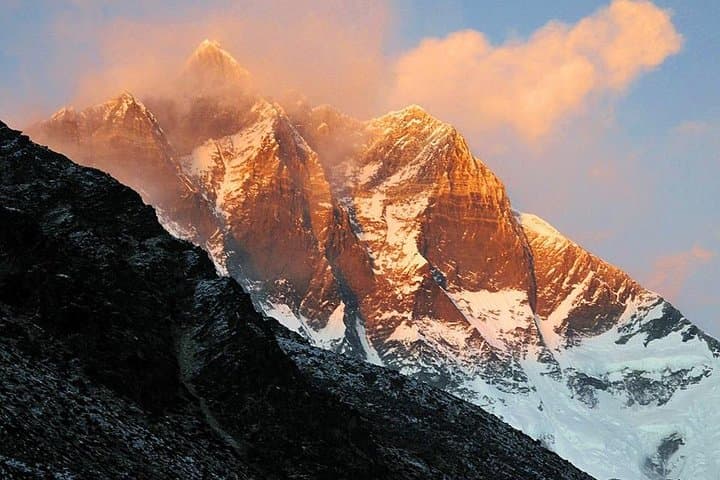
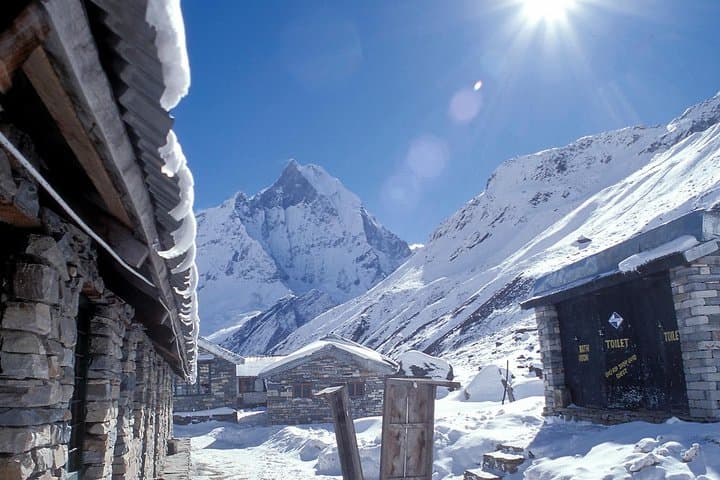
You climb out of Pokhara before dawn, the city lights shrinking behind you as the road winds toward Kande. By late morning the trail angles upward through rhododendron and pine; the forest seems to press and then part, revealing the Annapurna massif—Machhapuchhre (Fishtail) slicing the skyline, Annapurna South and Hiunchuli filling the air with cold silence. Australian Camp sits at roughly 2,100 m, a line of tea houses and prayer flags that feel both cheerful and exposed, a place where mountains command the horizon.
Verified experiences and guided adventures in the surrounding area.
Operated by Welcome Nepal Treks P.ltd · Pokhara, Gandaki Province
You climb out of Pokhara before dawn, the city lights shrinking behind you as the road winds toward Kande. By late morning the trail angles upward through rhododendron and pine; the forest seems to press and then part, revealing the Annapurna massif—Machhapuchhre (Fishtail) slicing the skyline, Annapurna South and Hiunchuli filling the air with cold silence. Australian Camp sits at roughly 2,100 m, a line of tea houses and prayer flags that feel both cheerful and exposed, a place where mountains command the horizon.
The route follows traditional village paths once used by mule caravans and local traders; geology here is young Himalaya—steep, uplifted sedimentary and metamorphic ridges carved by monsoon-fed erosion. Culture is visible in terraced fields, stone homes, and friendly village life in Dhampus and Pothana; guides often point out local farming practices and seasonal festivals. Wildlife is shy but present—pheasants and langur traverse the woods; Himalayan streams carry stories of glacier-fed catchments.
Practical guidance: the trek is short but involves sustained uphill on stone steps and packed earth—expect roughly 1.5–3 hours of ascent from Kande with 600–800 m of gain depending on your start point. Overnight in tea-house lodges; morning viewpoints reward early starts. Bring layered clothing for cold mornings, good hiking shoes for uneven steps, and 1–2 L of water with snacks. Altitude is moderate—watch for headache or nausea and communicate with your guide. Transport to/from Pokhara is included in most packages; guides and a porter (to carry up to ~25 kg) are typically provided. Timing summer afternoons for lower clouds and clear post-monsoon autumn mornings gives the best views. Respect trail etiquette, carry out waste, and tip staff—these small choices keep local treks sustainable.
moderate.
2 days.
Suitable for hikers with regular cardio fitness; able to manage steady uphill hikes of 1.5–3 hours carrying a daypack.
The uphill from Kande is steady but short—typically 1.5–3 hours with roughly 600–800 m of elevation gain depending on your starting point; it’s rated moderate.
Most operators include one night in a tea-house lodge at Australian Camp with dinner and breakfast, as well as guide and porter services per booking details.
Post-monsoon autumn (Sept–Nov) offers the clearest mountain views; spring (Mar–May) also has good weather and blooming rhododendrons. Monsoon months can be foggy and slippy.
Australian Camp sits around 2,100 m—most healthy travelers tolerate this altitude, but monitor symptoms like headache, nausea, or dizziness and descend if they worsen; your guide can advise and carry basic meds.
Trails around Kande and Dhampus follow long-used village and trade routes; the area developed tea houses to serve trekkers as tourism to Pokhara grew in the late 20th century.
Stick to marked trails, avoid open fires, and use local disposal points for waste; supporting local lodges and guides helps sustain the mountain economy while reducing pressure to expand infrastructure.
Welcome Nepal Treks P.ltd operates guided outdoor trips and adventures with an emphasis on safety, stewardship, and memorable experiences.
You climb out of Pokhara before dawn, the city lights shrinking behind you as the road winds toward Kande. By late morning the trail angles upward through rhododendron and pine; the forest seems to press and then part, revealing the Annapurna massif—Machhapuchhre (Fishtail) slicing the skyline, Annapurna South and Hiunchuli filling the air with cold silence. Australian Camp sits at roughly 2,100 m, a line of tea houses and prayer flags that feel both cheerful and exposed, a place where mountains command the horizon.
You climb out of Pokhara before dawn, the city lights shrinking behind you as the road winds toward Kande. By late morning the trail angles upward through rhododendron and pine; the forest seems to press and then part, revealing the Annapurna massif—Machhapuchhre (Fishtail) slicing the skyline, Annapurna South and Hiunchuli filling the air with cold silence. Australian Camp sits at roughly 2,100 m, a line of tea houses and prayer flags that feel both cheerful and exposed, a place where mountains command the horizon.
The route follows traditional village paths once used by mule caravans and local traders; geology here is young Himalaya—steep, uplifted sedimentary and metamorphic ridges carved by monsoon-fed erosion. Culture is visible in terraced fields, stone homes, and friendly village life in Dhampus and Pothana; guides often point out local farming practices and seasonal festivals. Wildlife is shy but present—pheasants and langur traverse the woods; Himalayan streams carry stories of glacier-fed catchments.
Practical guidance: the trek is short but involves sustained uphill on stone steps and packed earth—expect roughly 1.5–3 hours of ascent from Kande with 600–800 m of gain depending on your start point. Overnight in tea-house lodges; morning viewpoints reward early starts. Bring layered clothing for cold mornings, good hiking shoes for uneven steps, and 1–2 L of water with snacks. Altitude is moderate—watch for headache or nausea and communicate with your guide. Transport to/from Pokhara is included in most packages; guides and a porter (to carry up to ~25 kg) are typically provided. Timing summer afternoons for lower clouds and clear post-monsoon autumn mornings gives the best views. Respect trail etiquette, carry out waste, and tip staff—these small choices keep local treks sustainable.