THE ADVENTURE COLLECTIVE® · Independent discovery and booking for outdoor travel

In two days you can trade lakefront Pokhara for highland sunrise views at Australian Camp and finish by navigating grade II–III rapids on the Seti River. This compact trek-plus-raft pairs village culture and Himalayan panoramas with an accessible adrenaline rush.
In two days you can trade lakefront Pokhara for highland sunrise views at Australian Camp and finish by navigating grade II–III rapids on the Seti River. This compact trek-plus-raft pairs village culture and Himalayan panoramas with an accessible adrenaline rush.
Morning light breaks across the Annapurna range and the silhouette of Machapuchare (Fishtail) slides into color as trekkers set off from Kande toward Australian Camp. The trail climbs through pine and rhododendron, passing terraced fields and small Gurung villages; every switchback opens another frame of jagged peaks and valley floors. By evening the camp settles under clear skies, the mountains standing like patient giants while the campfire warms conversation.
Verified experiences and guided adventures in the surrounding area.
Operated by CAN Travels · Pokhara, Gandaki Province
Morning light breaks across the Annapurna range and the silhouette of Machapuchare (Fishtail) slides into color as trekkers set off from Kande toward Australian Camp. The trail climbs through pine and rhododendron, passing terraced fields and small Gurung villages; every switchback opens another frame of jagged peaks and valley floors. By evening the camp settles under clear skies, the mountains standing like patient giants while the campfire warms conversation.
This compact two-day itinerary blends local culture and highland panoramas with a wet finish: an early-morning sunrise at Australian Camp (≈2,060 m) followed by a descent to Phedi and a half-day white-water run on the Seti. Geologically, the Annapurna massif is young and steep—granite and metamorphic ridgelines carved by glaciation—so trails can be rocky but remarkably direct. Culturally, the route threads through small agricultural villages where traditional Nepali meals and simple guesthouse hospitality are the norm.
Practicalities: expect 4–5 hours uphill on day one with roughly 400–700 m of elevation gain, a 1.5–2 hour descent to Phedi on day two, then a 3–4 hour rafting window with grade II–III rapids suitable for beginners under guide supervision. Bring layered clothing for cold dawns, sturdy boots for loose trail sections, and a daypack for summit snacks and water. Guides handle logistics—permits, safety kit, and transfers—so guests can focus on the views and the rush of the Seti’s currents.
This trip suits travelers who want compact alpine scenery, a taste of village life, and a controlled adrenaline fix before returning to Pokhara.
moderate.
2 days.
Moderate fitness: able to hike 4–6 hours with some elevation gain and follow basic rafting instructions.
The uphill day is moderate—expect 4–5 hours with several steep sections and about 400–700 m of elevation gain; it’s suitable for most active travelers.
The half-day rafting section on the Seti includes grade II–III rapids—exciting but beginner-friendly under guide supervision.
Basic guesthouse accommodation and at least one lunch are included; local-style dinners and breakfasts are typically provided by the guesthouse operator.
Yes—professional guides provide safety equipment and briefings; guests should be comfortable with basic water safety and follow instructions closely.
The trail traverses traditional Gurung farming communities; these settlements have long-standing agricultural practices and a history of service in local porter and guide traditions.
Stick to marked trails and avoid single-use plastics; local communities depend on sustainable tourism and trail maintenance to protect fragile highland ecosystems.
CAN Travels operates guided outdoor trips and adventures with an emphasis on safety, stewardship, and memorable experiences.
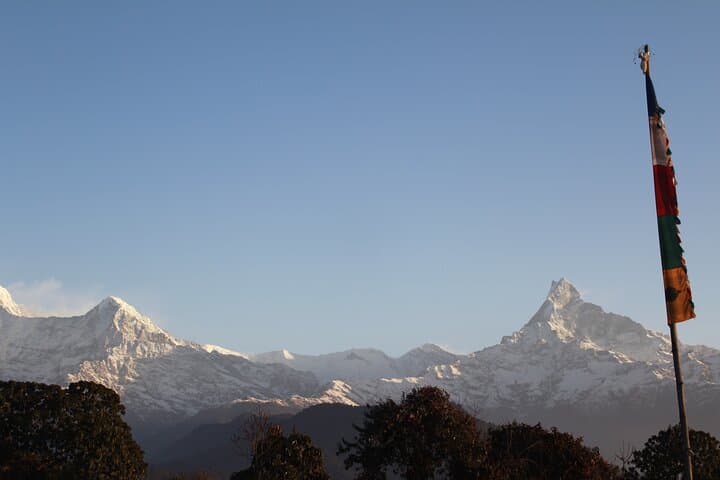
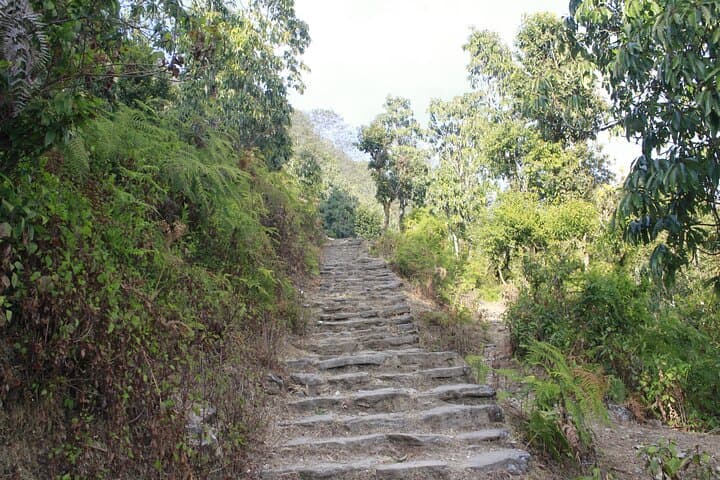
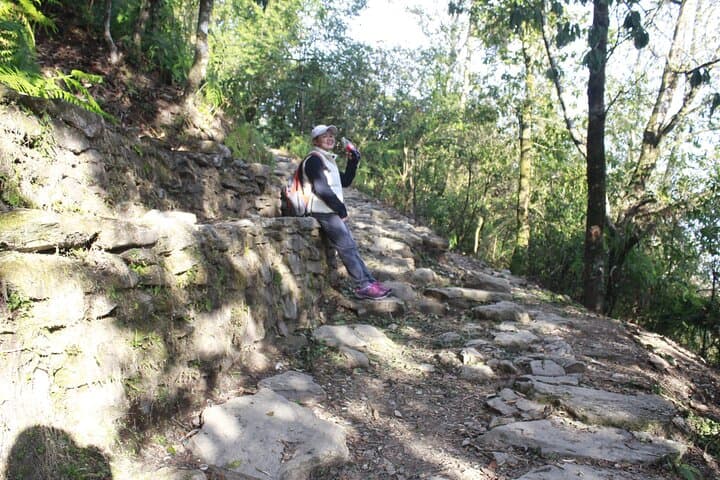
Morning light breaks across the Annapurna range and the silhouette of Machapuchare (Fishtail) slides into color as trekkers set off from Kande toward Australian Camp. The trail climbs through pine and rhododendron, passing terraced fields and small Gurung villages; every switchback opens another frame of jagged peaks and valley floors. By evening the camp settles under clear skies, the mountains standing like patient giants while the campfire warms conversation.
Morning light breaks across the Annapurna range and the silhouette of Machapuchare (Fishtail) slides into color as trekkers set off from Kande toward Australian Camp. The trail climbs through pine and rhododendron, passing terraced fields and small Gurung villages; every switchback opens another frame of jagged peaks and valley floors. By evening the camp settles under clear skies, the mountains standing like patient giants while the campfire warms conversation.
This compact two-day itinerary blends local culture and highland panoramas with a wet finish: an early-morning sunrise at Australian Camp (≈2,060 m) followed by a descent to Phedi and a half-day white-water run on the Seti. Geologically, the Annapurna massif is young and steep—granite and metamorphic ridgelines carved by glaciation—so trails can be rocky but remarkably direct. Culturally, the route threads through small agricultural villages where traditional Nepali meals and simple guesthouse hospitality are the norm.
Practicalities: expect 4–5 hours uphill on day one with roughly 400–700 m of elevation gain, a 1.5–2 hour descent to Phedi on day two, then a 3–4 hour rafting window with grade II–III rapids suitable for beginners under guide supervision. Bring layered clothing for cold dawns, sturdy boots for loose trail sections, and a daypack for summit snacks and water. Guides handle logistics—permits, safety kit, and transfers—so guests can focus on the views and the rush of the Seti’s currents.
This trip suits travelers who want compact alpine scenery, a taste of village life, and a controlled adrenaline fix before returning to Pokhara.