THE ADVENTURE COLLECTIVE® · Independent discovery and booking for outdoor travel

A short drive from Pokhara leads to a classic hilltop viewpoint — Australian Camp — where easy, overnight hiking rewards you with a sunrise over Annapurna. This compact 3-day journey combines village culture, ridgeline walking and accessible mountain panoramas.
A short drive from Pokhara leads to a classic hilltop viewpoint — Australian Camp — where easy, overnight hiking rewards you with a sunrise over Annapurna. This compact 3-day journey combines village culture, ridgeline walking and accessible mountain panoramas.
You leave Kathmandu before dawn and the road unspools westward — terraced fields sliding by, the highway cutting into foothills until Pokhara’s palm-lined lakeshore appears. From Pokhara the drive to Kande is short; the trail begins with a steady climb through village fields, pine stands and stone steps that push you toward a ridge where the Annapurna range finally asserts itself.
Verified experiences and guided adventures in the surrounding area.
Operated by Fewa Trail Treks and Expedition Pvt Ltd · Pokhara, Gandaki Province
You leave Kathmandu before dawn and the road unspools westward — terraced fields sliding by, the highway cutting into foothills until Pokhara’s palm-lined lakeshore appears. From Pokhara the drive to Kande is short; the trail begins with a steady climb through village fields, pine stands and stone steps that push you toward a ridge where the Annapurna range finally asserts itself.
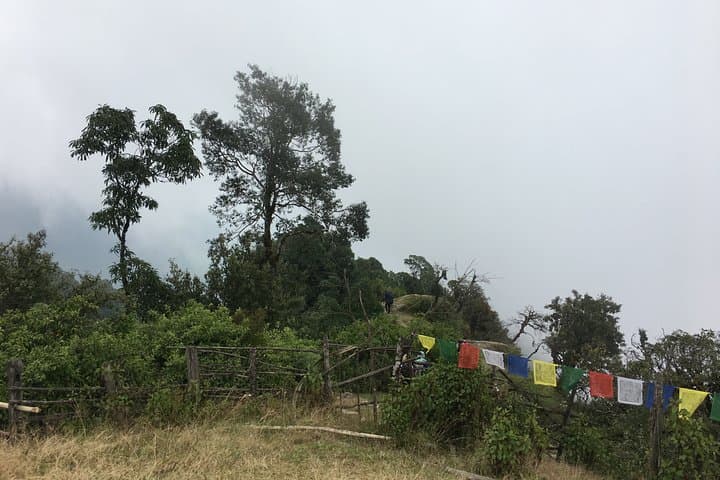
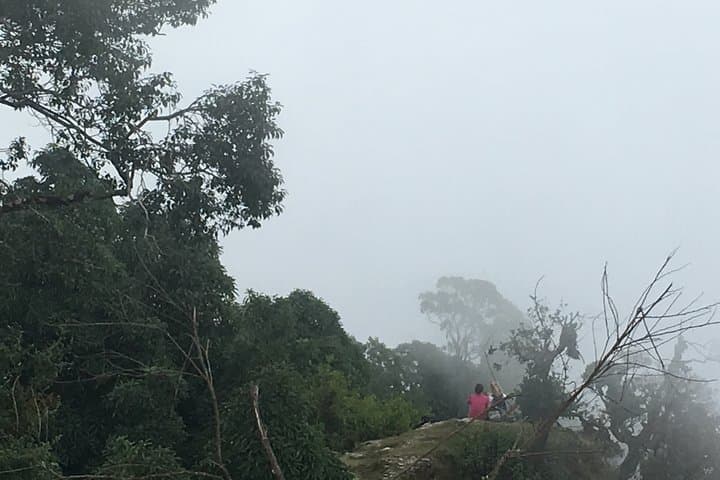
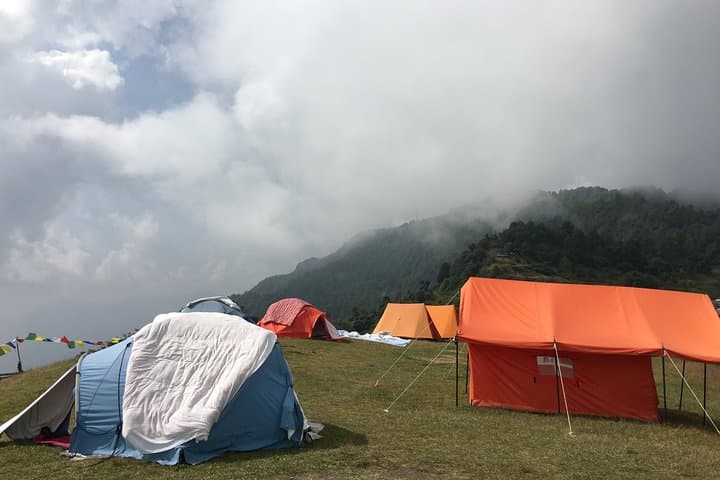
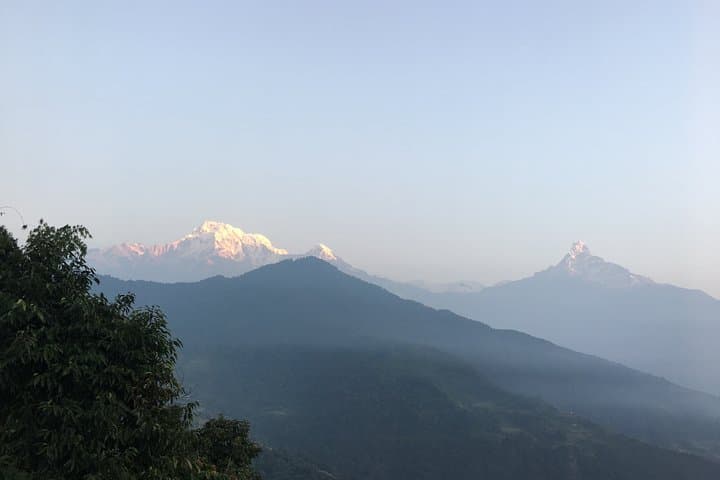
Australian Camp sits on a grassy shoulder above Pokhara, its tea houses facing an uninterrupted sweep of peaks: Annapurna South, Machapuchare’s pointed flank and the layered ridges that define Nepal’s central Himalaya. The geology here is young and steep — folded schist and gneiss carved by rivers and uplift — and the landscape reflects centuries of Gurung hill agriculture: stone walls, millet plots and hamlets like Dhampus where culture is visible in dress and daily life.
This is an accessible overnight hike: day one drives, day two climbs to camp and descends to Dhampus for a guesthouse stay, and day three drops to Hemja for the return to Pokhara. Sunrise from camp is the reward — cold air, bright mountain faces and a coffee cup warming your hands.
Practical guidance: hike boots with good traction, a warm layer for dawn photos and 2–3 liters of water. Expect uneven stone steps and 2–4 hours walking on main hiking days; porter or guide services are common. Aim for clear-season windows (spring or autumn) for the best visibility, and budget time in Pokhara to acclimate and enjoy Fewa Lake before or after the trek.
easy.
3 days.
Suitable for casual hikers who can manage 2–4 hours of uphill walking per day and basic uneven terrain.
The itinerary is rated easy and is suitable for most fitness levels; expect 2–4 hours of walking on ascent and descent days with steady but manageable climbs.
A local guide is included in many packages and is helpful for navigation and local insights; porters are optional but available if you prefer to carry less.
Spring (March–May) and autumn (September–November) offer the clearest mountain views; monsoon season sees clouds and slippery trails, and winter mornings can be very cold.
Yes—this multi-day trip typically includes one hotel night in Pokhara and a guesthouse stay in Dhampus or nearby villages on the trek night.
The ridge roads and terraces reflect centuries of Gurung and Magar hill farming; these villages historically served as seasonal settlements for livestock and trade routes to the mountains.
Stick to established trails and guesthouses to limit erosion and avoid disturbing terraces; many local operators support village economies by using local homestays and guiding services.
Fewa Trail Treks and Expedition Pvt Ltd operates guided outdoor trips and adventures with an emphasis on safety, stewardship, and memorable experiences.
You leave Kathmandu before dawn and the road unspools westward — terraced fields sliding by, the highway cutting into foothills until Pokhara’s palm-lined lakeshore appears. From Pokhara the drive to Kande is short; the trail begins with a steady climb through village fields, pine stands and stone steps that push you toward a ridge where the Annapurna range finally asserts itself.
You leave Kathmandu before dawn and the road unspools westward — terraced fields sliding by, the highway cutting into foothills until Pokhara’s palm-lined lakeshore appears. From Pokhara the drive to Kande is short; the trail begins with a steady climb through village fields, pine stands and stone steps that push you toward a ridge where the Annapurna range finally asserts itself.
Australian Camp sits on a grassy shoulder above Pokhara, its tea houses facing an uninterrupted sweep of peaks: Annapurna South, Machapuchare’s pointed flank and the layered ridges that define Nepal’s central Himalaya. The geology here is young and steep — folded schist and gneiss carved by rivers and uplift — and the landscape reflects centuries of Gurung hill agriculture: stone walls, millet plots and hamlets like Dhampus where culture is visible in dress and daily life.
This is an accessible overnight hike: day one drives, day two climbs to camp and descends to Dhampus for a guesthouse stay, and day three drops to Hemja for the return to Pokhara. Sunrise from camp is the reward — cold air, bright mountain faces and a coffee cup warming your hands.
Practical guidance: hike boots with good traction, a warm layer for dawn photos and 2–3 liters of water. Expect uneven stone steps and 2–4 hours walking on main hiking days; porter or guide services are common. Aim for clear-season windows (spring or autumn) for the best visibility, and budget time in Pokhara to acclimate and enjoy Fewa Lake before or after the trek.