THE ADVENTURE COLLECTIVE® · Independent discovery and booking for outdoor travel

Camp beneath the Annapurna skyline at Australian Camp, then hike down to Dhampus for village life and sweeping views of Machhapuchhre. This practical two-day itinerary pairs easy trekking with an authentic mountain campsite.
Camp beneath the Annapurna skyline at Australian Camp, then hike down to Dhampus for village life and sweeping views of Machhapuchhre. This practical two-day itinerary pairs easy trekking with an authentic mountain campsite.
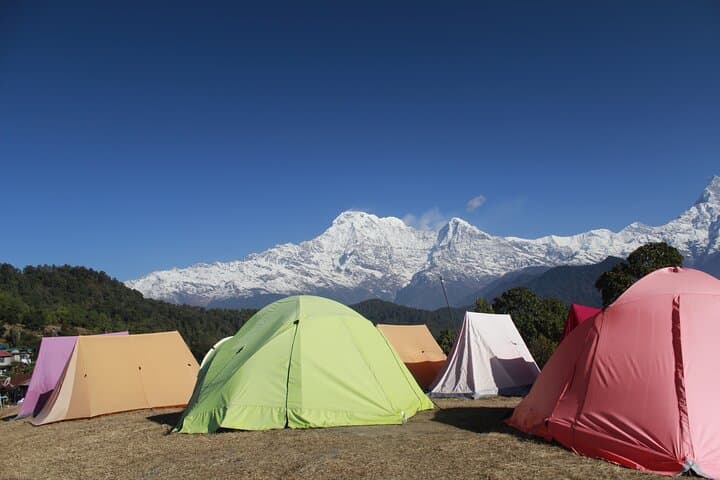
Dawn breaks over a serrated line of peaks as you climb the final switchback toward Australian Camp; the air is thin, cold, and alive, and the Annapurna massif feels close enough to touch. By evening, a campfire throws long shadows over canvas tents and the Fishtail (Machhapuchhre) silhouette watches the stars come out.
Verified experiences and guided adventures in the surrounding area.
Operated by Peak to Peak Tours and Treks Pvt Ltd · Pokhara, Gandaki Province
Dawn breaks over a serrated line of peaks as you climb the final switchback toward Australian Camp; the air is thin, cold, and alive, and the Annapurna massif feels close enough to touch. By evening, a campfire throws long shadows over canvas tents and the Fishtail (Machhapuchhre) silhouette watches the stars come out.
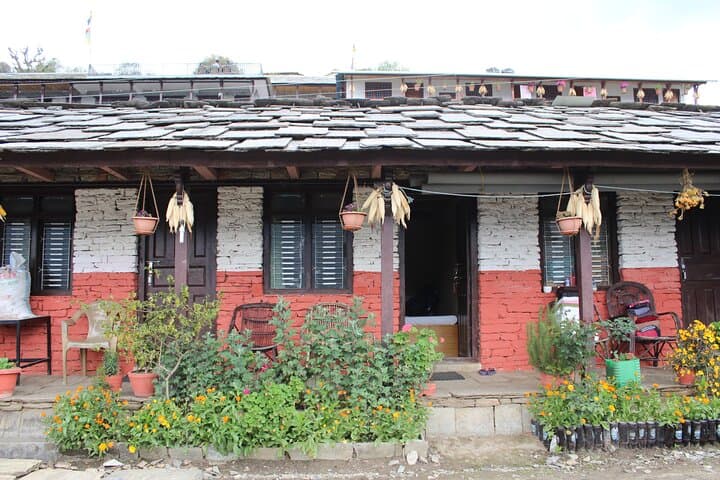
Australian Camp sits on a high ridge above Pokhara, offering direct views of Annapurna and Dhaulagiri. The area’s geology is classic Lesser Himalaya—folded slopes, terraced farmland, and forested ridgelines that fall toward the Pokhara valley. Dhampus village, a short downhill hike, is a living example of Gurung mountain culture: stone houses, prayer flags, and terraced fields that follow contours carved over generations.
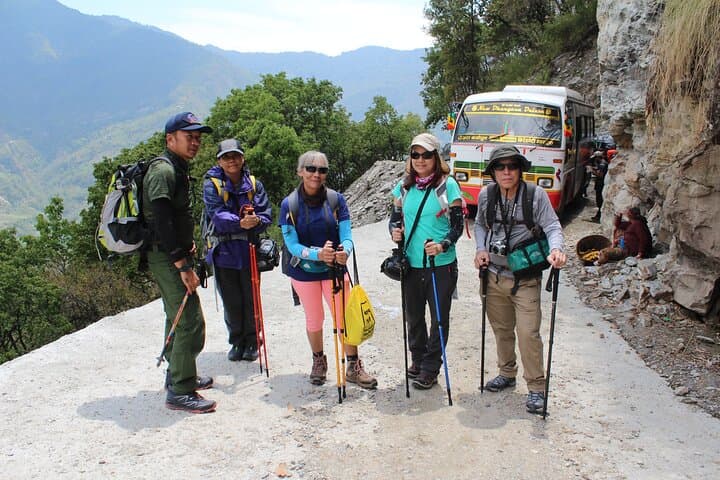
Expect 1–2 hours of hiking on day two along a well-marked, gradual downhill trail through rhododendron and oak forest with intermittent farmland. Nights are simple: tent camping with communal meals, local guides, and a campfire—comfort over luxury. Weather can shift fast; mornings deliver crisp clarity and afternoons can cloud in with monsoon or hill fog.
Practical advice: pack a warm sleeping layer, waterproof shell, and sturdy trekking shoes with good grip for the steeper, sometimes muddy stretches. Start early to catch sunrise and avoid afternoon clouds, stay hydrated, and respect local customs when passing through Dhampus—greeting hosts and removing shoes at doorways.
This two-day trip balances accessible trekking with immersive mountain camping, ideal for travelers wanting big Himalayan views without a multi-day expedition.
moderate.
2 days.
Suitable for people with basic fitness who can handle 1–3 hours of walking with light packs; stairs and uneven ground involved.
The downhill hike is typically 1.5–2 hours depending on pace and stops, on a well-marked gradual trail.
Camping is rustic—tents and communal dining with hot meals prepared locally; not a luxury camp but comfortable for experienced travelers.
Altitudes here are moderate (roughly 1,600–1,800 m); most travelers acclimatize fine, but stay hydrated and avoid overexertion if you feel unwell.
No technical skills required; basic cardiovascular fitness for short uphill approaches and downhill walking is sufficient.
Dhampus and nearby hill stations grew as local trade and grazing hamlets; the Australian Camp name reflects its popularity with Australian trekkers and volunteer projects since the late 20th century.
Stick to established trails, avoid single-use plastics at campsites, and follow local guidance on campfires—these ridgelines are fragile and heavily visited.
Peak to Peak Tours and Treks Pvt Ltd operates guided outdoor trips and adventures with an emphasis on safety, stewardship, and memorable experiences.
Dawn breaks over a serrated line of peaks as you climb the final switchback toward Australian Camp; the air is thin, cold, and alive, and the Annapurna massif feels close enough to touch. By evening, a campfire throws long shadows over canvas tents and the Fishtail (Machhapuchhre) silhouette watches the stars come out.
Dawn breaks over a serrated line of peaks as you climb the final switchback toward Australian Camp; the air is thin, cold, and alive, and the Annapurna massif feels close enough to touch. By evening, a campfire throws long shadows over canvas tents and the Fishtail (Machhapuchhre) silhouette watches the stars come out.
Australian Camp sits on a high ridge above Pokhara, offering direct views of Annapurna and Dhaulagiri. The area’s geology is classic Lesser Himalaya—folded slopes, terraced farmland, and forested ridgelines that fall toward the Pokhara valley. Dhampus village, a short downhill hike, is a living example of Gurung mountain culture: stone houses, prayer flags, and terraced fields that follow contours carved over generations.
Expect 1–2 hours of hiking on day two along a well-marked, gradual downhill trail through rhododendron and oak forest with intermittent farmland. Nights are simple: tent camping with communal meals, local guides, and a campfire—comfort over luxury. Weather can shift fast; mornings deliver crisp clarity and afternoons can cloud in with monsoon or hill fog.
Practical advice: pack a warm sleeping layer, waterproof shell, and sturdy trekking shoes with good grip for the steeper, sometimes muddy stretches. Start early to catch sunrise and avoid afternoon clouds, stay hydrated, and respect local customs when passing through Dhampus—greeting hosts and removing shoes at doorways.
This two-day trip balances accessible trekking with immersive mountain camping, ideal for travelers wanting big Himalayan views without a multi-day expedition.