THE ADVENTURE COLLECTIVE® · Independent discovery and booking for outdoor travel

Explore an Austin distillery tour that walks you through the whiskey-making process—from grain to glass—featuring tall column stills, tasting flights, and Hill Country-influenced barrels. Learn what to expect and how to plan your visit.
Explore an Austin distillery tour that walks you through the whiskey-making process—from grain to glass—featuring tall column stills, tasting flights, and Hill Country-influenced barrels. Learn what to expect and how to plan your visit.
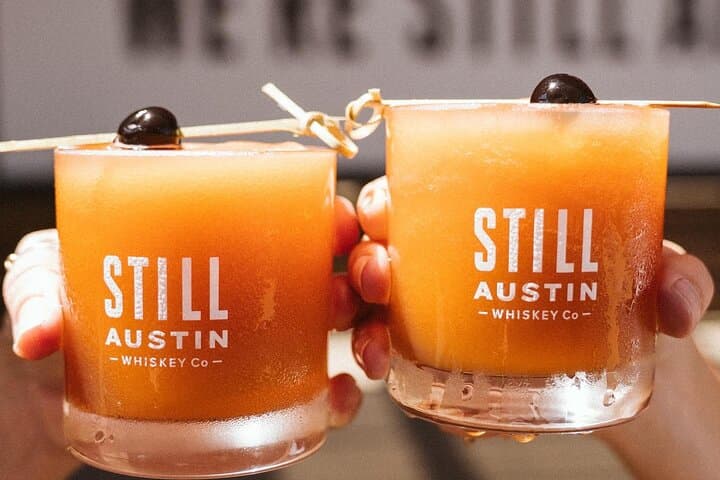
You step into a low-lit tasting room where copper gleams and the air smells of warm grain and charred oak. The guide gestures toward a towering column still—one of the taller examples west of Kentucky—and explains how steam and copper coax spirit from mash. Glasses clink; the first sip is bright, then round, the rye and char oak arguing pleasantly on the palate.
Verified experiences and guided adventures in the surrounding area.
Operated by Still Austin Whiskey Co · Austin, Texas
You step into a low-lit tasting room where copper gleams and the air smells of warm grain and charred oak. The guide gestures toward a towering column still—one of the taller examples west of Kentucky—and explains how steam and copper coax spirit from mash. Glasses clink; the first sip is bright, then round, the rye and char oak arguing pleasantly on the palate.
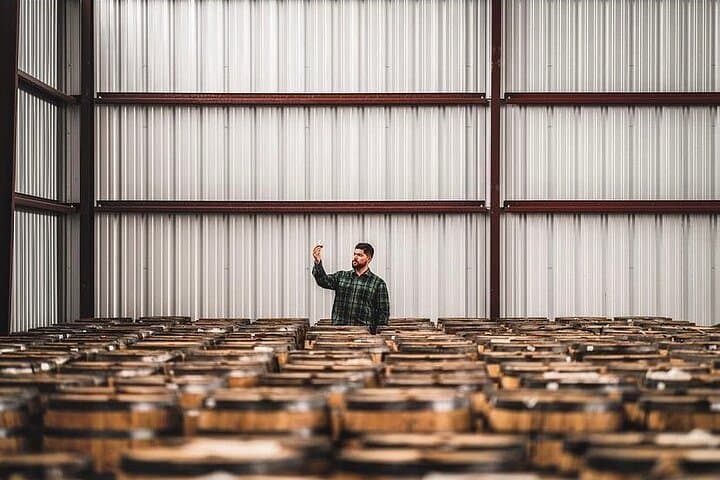
Austin’s whiskey scene is young but fiercely local. Distilling in Texas draws on frontier-era grain trades and more recent craft spirits movements, marrying southern whiskey traditions with Texas-grown corn and rye. Geology matters here: limestone-filtered Hill Country water gives many Texas spirits a soft mineral thread, while local oak and climate influence barrel maturation more quickly than in cooler regions.
Culturally, a distillery tour blends industrial choreography with hospitality—staffer-led demos, safety-conscious access around heavy equipment, and intimate tastings designed to teach rather than simply entertain. Expect explanations of mashing, fermentation, distillation, proofing, and a guided sampling of signature expressions.
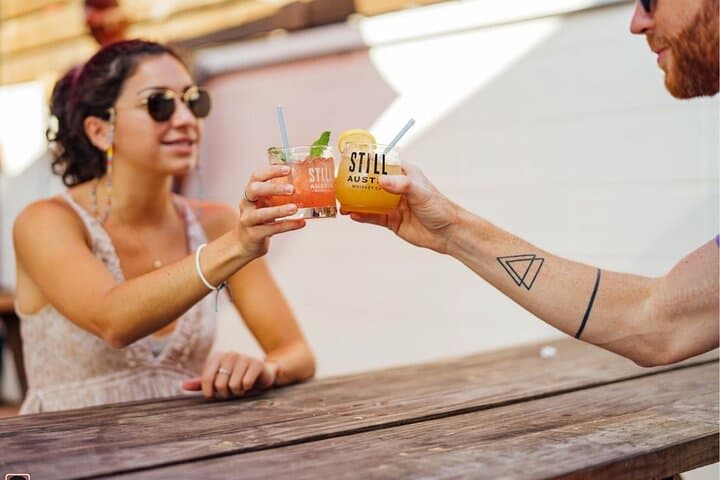
Practically: tours run about 45 minutes, are wheelchair accessible, and are suitable for most physical abilities, but ID and legal drinking age are required. Tours are best later in the day when production slows and tastings are relaxed; arrive early to park and grab a pre-tour cocktail. Wear closed-toe shoes for factory-floor access and plan transportation—designated driver, rideshare, or public transit—because samples are included. Bring questions about grain sourcing and barrel schedules; that’s where you learn what really shapes a Texas whiskey.
easy.
45 minutes.
Suitable for most fitness levels; involves light walking and standing on a production floor
Yes—most tours include guided samples of the distillery’s signature spirits as part of the experience.
Many Austin distilleries provide wheelchair-accessible tasting rooms and tours; check the specific venue’s accessibility notes when booking.
Children are typically not allowed in distilling areas due to safety concerns—confirm the venue’s policy in advance.
Tours have limited capacity and often require reservations, especially for private or popular time slots—book early to secure your spot.
Texas distilling ties back to frontier grain trades and small-scale family practices; modern craft distilling surged in the 2000s as regulations changed and demand for local spirits grew.
Many producers emphasize local sourcing and sustainable grain practices; be mindful of single-use plastics and support venues that recycle and use energy-efficient equipment.
Still Austin Whiskey Co operates guided outdoor trips and adventures with an emphasis on safety, stewardship, and memorable experiences.
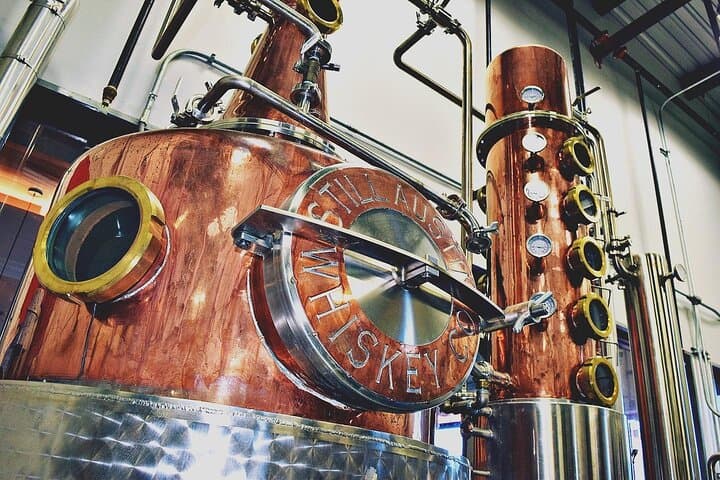
You step into a low-lit tasting room where copper gleams and the air smells of warm grain and charred oak. The guide gestures toward a towering column still—one of the taller examples west of Kentucky—and explains how steam and copper coax spirit from mash. Glasses clink; the first sip is bright, then round, the rye and char oak arguing pleasantly on the palate.
You step into a low-lit tasting room where copper gleams and the air smells of warm grain and charred oak. The guide gestures toward a towering column still—one of the taller examples west of Kentucky—and explains how steam and copper coax spirit from mash. Glasses clink; the first sip is bright, then round, the rye and char oak arguing pleasantly on the palate.
Austin’s whiskey scene is young but fiercely local. Distilling in Texas draws on frontier-era grain trades and more recent craft spirits movements, marrying southern whiskey traditions with Texas-grown corn and rye. Geology matters here: limestone-filtered Hill Country water gives many Texas spirits a soft mineral thread, while local oak and climate influence barrel maturation more quickly than in cooler regions.
Culturally, a distillery tour blends industrial choreography with hospitality—staffer-led demos, safety-conscious access around heavy equipment, and intimate tastings designed to teach rather than simply entertain. Expect explanations of mashing, fermentation, distillation, proofing, and a guided sampling of signature expressions.
Practically: tours run about 45 minutes, are wheelchair accessible, and are suitable for most physical abilities, but ID and legal drinking age are required. Tours are best later in the day when production slows and tastings are relaxed; arrive early to park and grab a pre-tour cocktail. Wear closed-toe shoes for factory-floor access and plan transportation—designated driver, rideshare, or public transit—because samples are included. Bring questions about grain sourcing and barrel schedules; that’s where you learn what really shapes a Texas whiskey.