THE ADVENTURE COLLECTIVE® · Independent discovery and booking for outdoor travel

A respectful, full‑day trip from Kraków to the Auschwitz‑Birkenau Memorial and Museum guided by licensed historians. This tour includes round‑trip transport, skip‑the‑line entry, and a guided walk through both Auschwitz I and Birkenau.
A respectful, full‑day trip from Kraków to the Auschwitz‑Birkenau Memorial and Museum guided by licensed historians. This tour includes round‑trip transport, skip‑the‑line entry, and a guided walk through both Auschwitz I and Birkenau.
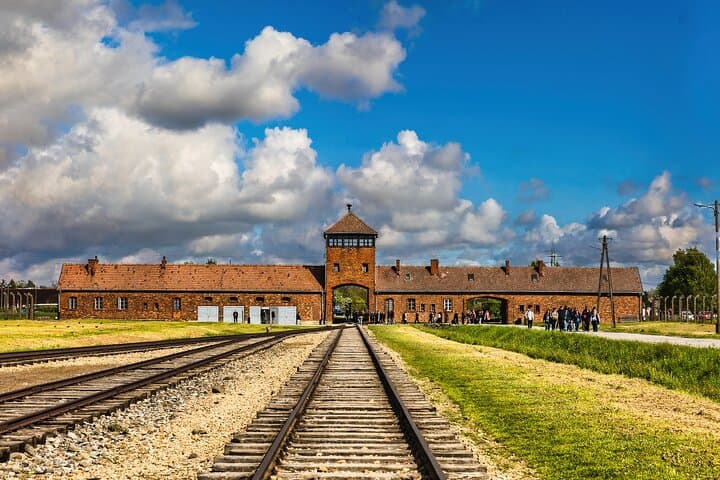
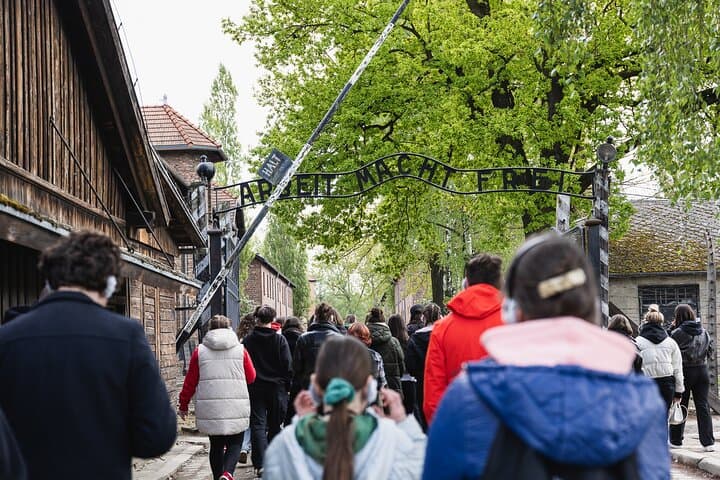
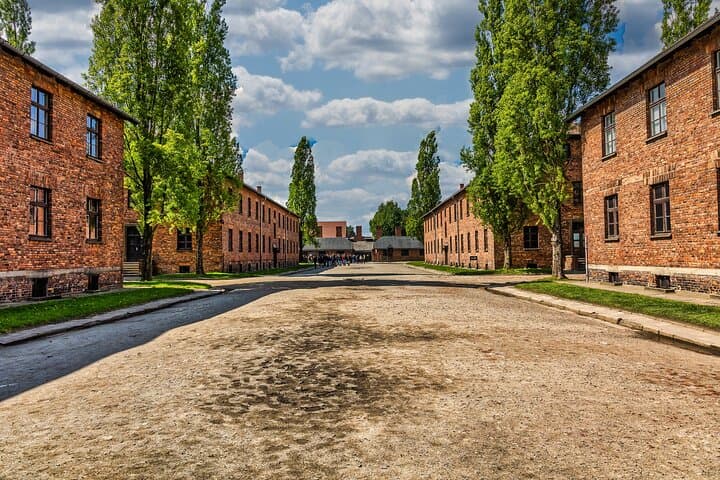
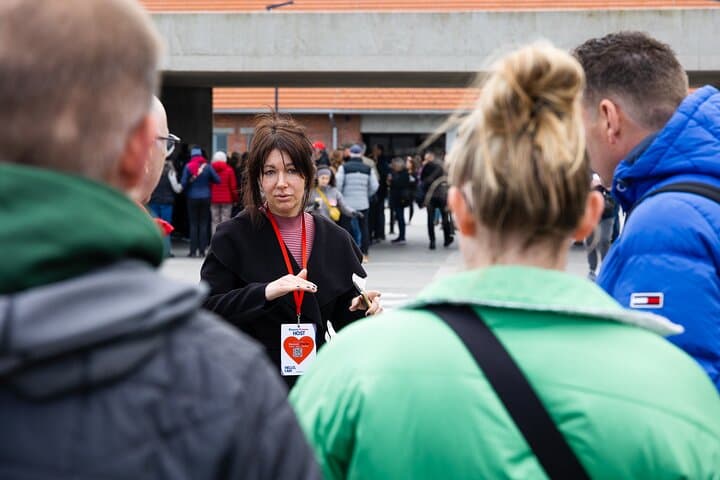
You step off the coach into a flat, wind-scoured landscape where the track lines and brick barracks meet the horizon. The air is quiet; a licensed guide gathers the group and leads you through the iron gate bearing the infamous inscription. The walk unfolds slowly—corridors of memoirs, wooden bunks, and exhibits that leave little room for detachment.
Verified experiences and guided adventures in the surrounding area.
Operated by DISCOVER CRACOW · Oświęcim, Lesser Poland Voivodeship
You step off the coach into a flat, wind-scoured landscape where the track lines and brick barracks meet the horizon. The air is quiet; a licensed guide gathers the group and leads you through the iron gate bearing the infamous inscription. The walk unfolds slowly—corridors of memoirs, wooden bunks, and exhibits that leave little room for detachment.
The Auschwitz-Birkenau complex was built on the agricultural plains west of Kraków beginning in 1940, later becoming the central site in the Nazi program of mass deportation and extermination. Auschwitz I retains original brick structures and curated exhibitions; Birkenau (Auschwitz II) stretches across open fields where rail ramps and ruined foundations mark the scale of systematic atrocity. Nearby Oświęcim carries its own modern history—recovery, remembrance, and educational efforts such as the International Centre for Education about Auschwitz and the Holocaust.
Practicalities matter here: the full experience is a full day from Kraków (about 1.5 hours each way) and includes guided access to both camps with headsets provided. Dress for the weather—much of the visit is outdoors—and bring identification; security checks are standard. Silence and respectful behavior are required throughout the site. There is minimal time for breaks and limited facilities on the grounds, so plan snacks and medication accordingly.
This is not a sightseeing stop but a deliberate, solemn educational visit. Prepare mentally for difficult content, follow the museum’s rules, and allow time after the tour to process what you’ve seen before returning to Kraków.
easy.
8 hours.
Suitable for most fitness levels; participants should be able to stand and walk for several hours over uneven surfaces.
The tour is approximately 8 hours total from Kraków, including about 1.5 hours each way by coach and guided time at the sites.
Children can attend, but the museum and the supplier advise against bringing children under 14 due to the difficult subject matter.
Photography is generally allowed in outdoor areas and some exhibitions, but restrictions apply in specific rooms—follow posted rules and staff instructions.
Yes; the tour operates in all weather. Dress appropriately for rain or cold as large parts of the visit are outdoors.
Established in 1940, the Auschwitz concentration and extermination complex functioned until liberation by Soviet forces on January 27, 1945; over 1.1 million people were murdered there, most of them Jewish.
The museum prioritizes preservation of original structures and manages visitor impact through guided access and rules; visitors help stewardship by following site regulations and supporting official educational programs.
DISCOVER CRACOW operates guided outdoor trips and adventures with an emphasis on safety, stewardship, and memorable experiences.
You step off the coach into a flat, wind-scoured landscape where the track lines and brick barracks meet the horizon. The air is quiet; a licensed guide gathers the group and leads you through the iron gate bearing the infamous inscription. The walk unfolds slowly—corridors of memoirs, wooden bunks, and exhibits that leave little room for detachment.
You step off the coach into a flat, wind-scoured landscape where the track lines and brick barracks meet the horizon. The air is quiet; a licensed guide gathers the group and leads you through the iron gate bearing the infamous inscription. The walk unfolds slowly—corridors of memoirs, wooden bunks, and exhibits that leave little room for detachment.
The Auschwitz-Birkenau complex was built on the agricultural plains west of Kraków beginning in 1940, later becoming the central site in the Nazi program of mass deportation and extermination. Auschwitz I retains original brick structures and curated exhibitions; Birkenau (Auschwitz II) stretches across open fields where rail ramps and ruined foundations mark the scale of systematic atrocity. Nearby Oświęcim carries its own modern history—recovery, remembrance, and educational efforts such as the International Centre for Education about Auschwitz and the Holocaust.
Practicalities matter here: the full experience is a full day from Kraków (about 1.5 hours each way) and includes guided access to both camps with headsets provided. Dress for the weather—much of the visit is outdoors—and bring identification; security checks are standard. Silence and respectful behavior are required throughout the site. There is minimal time for breaks and limited facilities on the grounds, so plan snacks and medication accordingly.
This is not a sightseeing stop but a deliberate, solemn educational visit. Prepare mentally for difficult content, follow the museum’s rules, and allow time after the tour to process what you’ve seen before returning to Kraków.