THE ADVENTURE COLLECTIVE® · Independent discovery and booking for outdoor travel

A full-day guided visit from Ostrava to the Auschwitz-Birkenau State Museum. Expect a solemn, educational 3.5-hour guided walk through the camps, included transport, and time to reflect afterward.
A full-day guided visit from Ostrava to the Auschwitz-Birkenau State Museum. Expect a solemn, educational 3.5-hour guided walk through the camps, included transport, and time to reflect afterward.
You arrive before the gates under a low sky; the gravel crunches beneath the minibus as the complex stretches out like a place that remembers every footstep. The tour opens with that hush — rows of brick barracks, watchtowers, and the long rails that once led inward — and guides lead groups through a deliberate sequence of spaces designed for reflection.
Verified experiences and guided adventures in the surrounding area.
Operated by Poland Travel · Oświęcim, Lesser Poland Voivodeship
You arrive before the gates under a low sky; the gravel crunches beneath the minibus as the complex stretches out like a place that remembers every footstep. The tour opens with that hush — rows of brick barracks, watchtowers, and the long rails that once led inward — and guides lead groups through a deliberate sequence of spaces designed for reflection.
Auschwitz-Birkenau is both a museum and a preserved historical site. Established by Nazi Germany during World War II, it evolved into a network where more than a million people were murdered. The site is located on low-lying plains of southern Poland; its flat geography and simple industrial structures made it strategically chosen in the 1940s and later preserved as a UNESCO World Heritage Site in 1979.
Local culture in Oświęcim—once a multiethnic town—has been shaped by loss and memory; contemporary efforts focus on education and research. Visitors can expect a guided, 3.5-hour walk through both Auschwitz I and Birkenau with skip-the-line entry, and time afterward to process or visit the museum exhibits.
Practically: this is a long day trip from Ostrava (about 1h45 drive each way). Wear sturdy, comfortable shoes and weather-layered clothing; much of the walk is on hard-packed paths and cobbles. Photography rules vary by area—follow your guide. Bring water and allow quiet time at memorials. Respectful behavior is required throughout. The tour is physically accessible for most people, but keep in mind surfaces can be uneven and exposure to elements is constant. This is an educational, solemn experience that rewards preparation and presence.
easy.
7–8 hours.
Minimal walking stamina required; be prepared for several hours on your feet on mostly flat but sometimes uneven surfaces.
The onsite guided tour lasts up to about 3.5 hours, covering Auschwitz I and Birkenau with museum exhibits and memorial areas.
Yes—this tour includes skip-the-line entrance tickets to the Auschwitz museum and round-trip transport from Ostrava in air-conditioned minivans.
Parts of the museum and memorial are accessible, but many outdoor areas have uneven surfaces; contact the operator ahead to discuss specific accessibility needs.
Photography rules vary by location—some indoor exhibits prohibit photography; always follow the guide’s instructions out of respect for the site.
Auschwitz-Birkenau operated from 1940–1945 and became the site where over one million people were murdered; it was preserved postwar as a museum and research center.
The museum balances preservation with visitor access—stay on marked paths, avoid touching artifacts, and follow staff instructions to minimize impact.
Poland Travel operates guided outdoor trips and adventures with an emphasis on safety, stewardship, and memorable experiences.
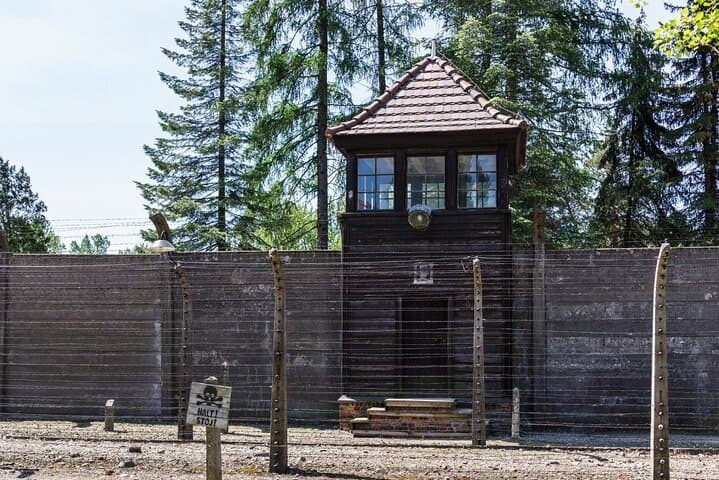
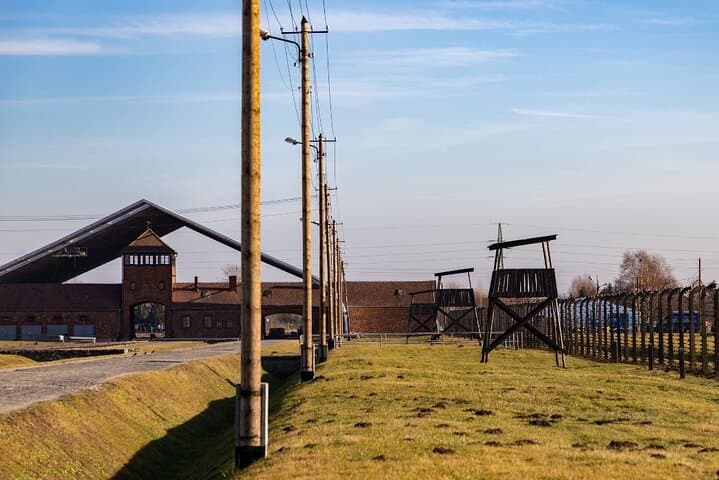
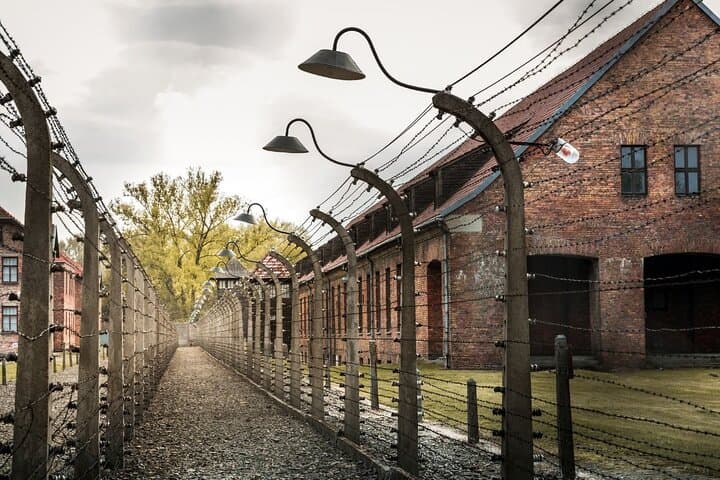
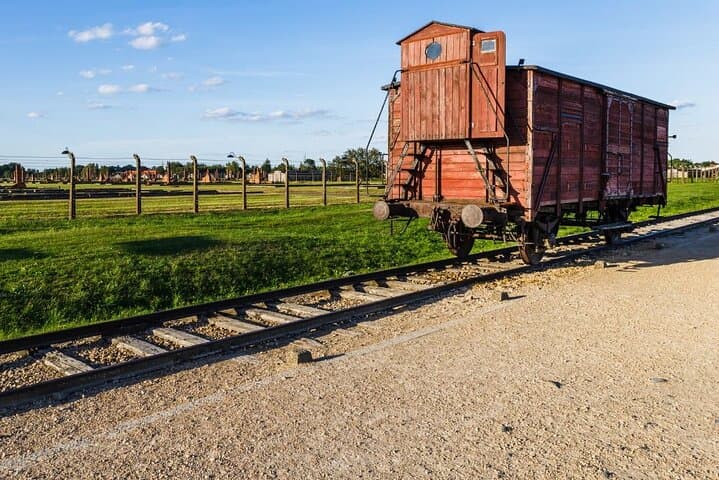
You arrive before the gates under a low sky; the gravel crunches beneath the minibus as the complex stretches out like a place that remembers every footstep. The tour opens with that hush — rows of brick barracks, watchtowers, and the long rails that once led inward — and guides lead groups through a deliberate sequence of spaces designed for reflection.
You arrive before the gates under a low sky; the gravel crunches beneath the minibus as the complex stretches out like a place that remembers every footstep. The tour opens with that hush — rows of brick barracks, watchtowers, and the long rails that once led inward — and guides lead groups through a deliberate sequence of spaces designed for reflection.
Auschwitz-Birkenau is both a museum and a preserved historical site. Established by Nazi Germany during World War II, it evolved into a network where more than a million people were murdered. The site is located on low-lying plains of southern Poland; its flat geography and simple industrial structures made it strategically chosen in the 1940s and later preserved as a UNESCO World Heritage Site in 1979.
Local culture in Oświęcim—once a multiethnic town—has been shaped by loss and memory; contemporary efforts focus on education and research. Visitors can expect a guided, 3.5-hour walk through both Auschwitz I and Birkenau with skip-the-line entry, and time afterward to process or visit the museum exhibits.
Practically: this is a long day trip from Ostrava (about 1h45 drive each way). Wear sturdy, comfortable shoes and weather-layered clothing; much of the walk is on hard-packed paths and cobbles. Photography rules vary by area—follow your guide. Bring water and allow quiet time at memorials. Respectful behavior is required throughout. The tour is physically accessible for most people, but keep in mind surfaces can be uneven and exposure to elements is constant. This is an educational, solemn experience that rewards preparation and presence.