THE ADVENTURE COLLECTIVE® · Independent discovery and booking for outdoor travel

A five-day circuit that crosses the high Vilcanota range, camps below Ausangate and leads to Vinicunca’s layered slopes. Expect high passes, mule support, and vivid mineral scenery.
A five-day circuit that crosses the high Vilcanota range, camps below Ausangate and leads to Vinicunca’s layered slopes. Expect high passes, mule support, and vivid mineral scenery.
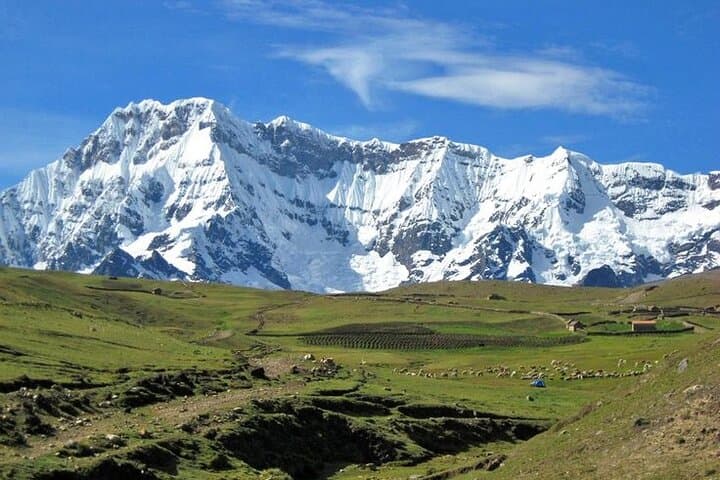
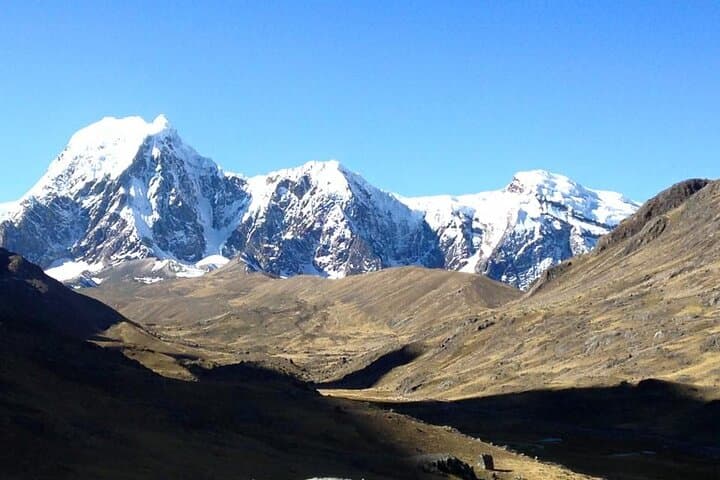
You rise before dawn in Cusco and the bus pushes east along a road that climbs until the cold air bites at your cheeks. The first sight of Ausangate’s south face—an enormous, wind-polished mass of snow and black rock—fills the windshield; the mountain seems to watch the valley, daring you to cross it. By the time you meet the muleteers at Tinqui the trail has become a conversation of stone, scree and bright textile ponchos as the caravan threads into high puna.
Verified experiences and guided adventures in the surrounding area.
Operated by Terres des Incas · Cusco, Cusco
You rise before dawn in Cusco and the bus pushes east along a road that climbs until the cold air bites at your cheeks. The first sight of Ausangate’s south face—an enormous, wind-polished mass of snow and black rock—fills the windshield; the mountain seems to watch the valley, daring you to cross it. By the time you meet the muleteers at Tinqui the trail has become a conversation of stone, scree and bright textile ponchos as the caravan threads into high puna.
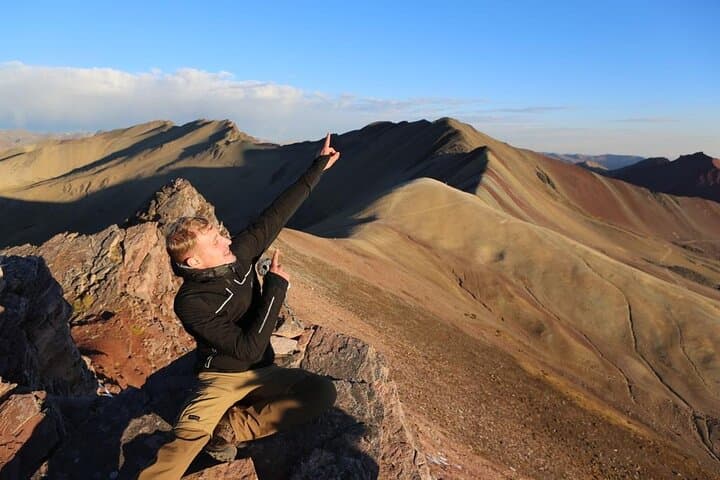
This route follows the Vilcanota range, the geological divide between the high Andes and the Amazon basin. Ausangate (over 6,300m) is an Apu—an Andean mountain spirit in Quechua tradition—and communities here still manage herds of llamas and cultivate tough tubers at impossible altitudes. The rainbow colors of Vinicunca come from iron, copper and other minerals laid down and eroded over millennia, exposed by glacial retreat and wind.
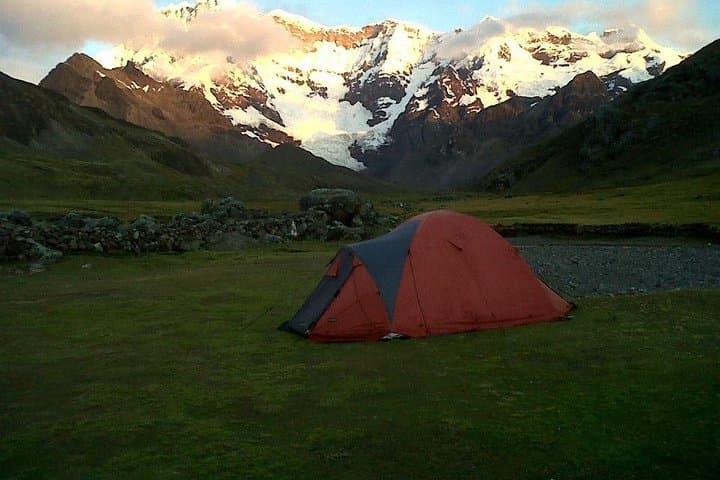
Expect steep passes around 4,700–4,980m, nights in tents, and long daylight marches across moraine and high lakes. Viscachas and vicuñas punctuate breaks, while thin air governs pace: move slowly, drink frequently, and let your guide set the rhythm. Practical notes: layer for sun, wind and freezing nights; use sunscreen and a wide-brim; consider hiring a mule for heavier packs; practice altitude-acclimatizing days in Cusco before departure. Weather can change in minutes—plan for wind, bright sun and sudden snow. The payoff is direct: a surreal, banded slope at Vinicunca and panoramic views of the Ausangate massif that reward careful effort and respect for the mountain.
challenging.
5 days.
Requires very good cardiovascular fitness and experience with multi-day high-altitude hiking; ability to walk 4–8 hours daily on rough terrain.
The trek reaches passes near 4,980m and overnight camps above 4,300m; altitude acclimatization in Cusco and a slow pace during the trek are essential.
Yes—this is a tented, mule-supported trek with camping each night; basic camping gear like communal cooking is provided but check what the operator supplies.
Not recommended for young children; operators typically expect participants to be physically fit adults able to manage high-altitude conditions.
Expect high-Andean species such as vicuñas, vizcachas and occasional Andean condors, especially in open puna and ridge areas.
The Vilcanota range has long been central to Andean communities; Ausangate is honored as an Apu (sacred mountain) in local Quechua cosmology.
Trails see increasing visitor pressure; stick to established campsites, pack out waste and use local guides to support community-based tourism.
Terres des Incas operates guided outdoor trips and adventures with an emphasis on safety, stewardship, and memorable experiences.
You rise before dawn in Cusco and the bus pushes east along a road that climbs until the cold air bites at your cheeks. The first sight of Ausangate’s south face—an enormous, wind-polished mass of snow and black rock—fills the windshield; the mountain seems to watch the valley, daring you to cross it. By the time you meet the muleteers at Tinqui the trail has become a conversation of stone, scree and bright textile ponchos as the caravan threads into high puna.
You rise before dawn in Cusco and the bus pushes east along a road that climbs until the cold air bites at your cheeks. The first sight of Ausangate’s south face—an enormous, wind-polished mass of snow and black rock—fills the windshield; the mountain seems to watch the valley, daring you to cross it. By the time you meet the muleteers at Tinqui the trail has become a conversation of stone, scree and bright textile ponchos as the caravan threads into high puna.
This route follows the Vilcanota range, the geological divide between the high Andes and the Amazon basin. Ausangate (over 6,300m) is an Apu—an Andean mountain spirit in Quechua tradition—and communities here still manage herds of llamas and cultivate tough tubers at impossible altitudes. The rainbow colors of Vinicunca come from iron, copper and other minerals laid down and eroded over millennia, exposed by glacial retreat and wind.
Expect steep passes around 4,700–4,980m, nights in tents, and long daylight marches across moraine and high lakes. Viscachas and vicuñas punctuate breaks, while thin air governs pace: move slowly, drink frequently, and let your guide set the rhythm. Practical notes: layer for sun, wind and freezing nights; use sunscreen and a wide-brim; consider hiring a mule for heavier packs; practice altitude-acclimatizing days in Cusco before departure. Weather can change in minutes—plan for wind, bright sun and sudden snow. The payoff is direct: a surreal, banded slope at Vinicunca and panoramic views of the Ausangate massif that reward careful effort and respect for the mountain.