THE ADVENTURE COLLECTIVE® · Independent discovery and booking for outdoor travel

A demanding five-day circuit around the sacred Ausangate massif, this trek crosses multiple 4,800–5,000+m passes, camps beside glacial lakes and finishes with restorative hot springs. Expect long days, thin air and close encounters with Andean culture.
A demanding five-day circuit around the sacred Ausangate massif, this trek crosses multiple 4,800–5,000+m passes, camps beside glacial lakes and finishes with restorative hot springs. Expect long days, thin air and close encounters with Andean culture.
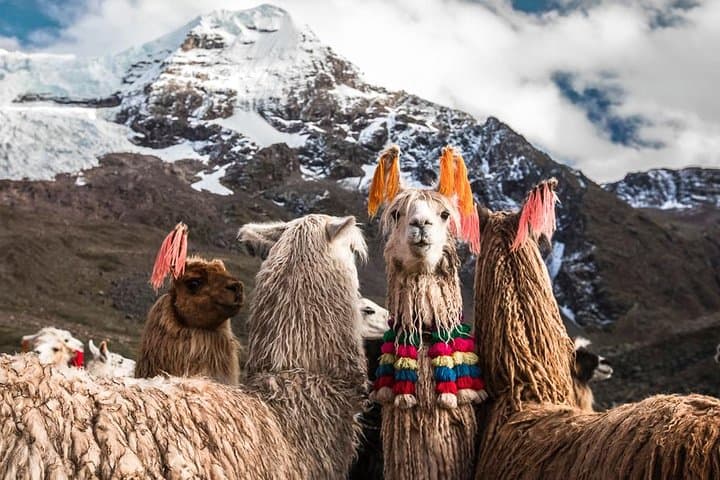
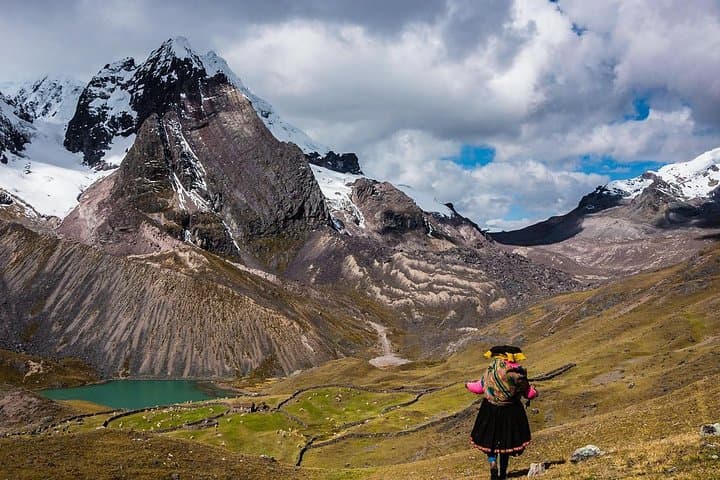
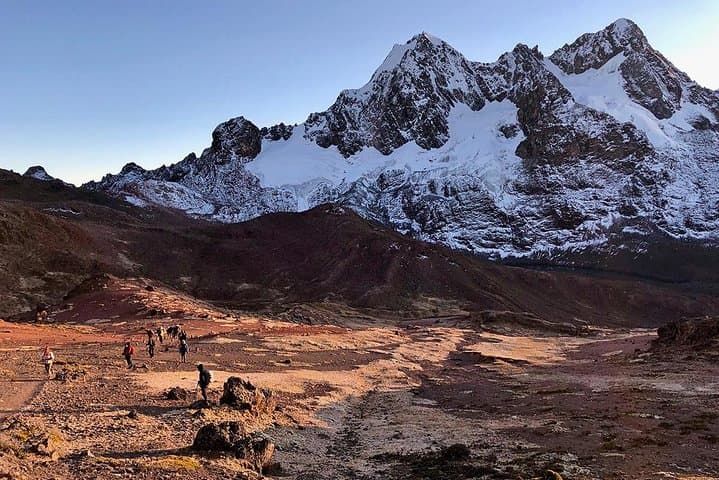
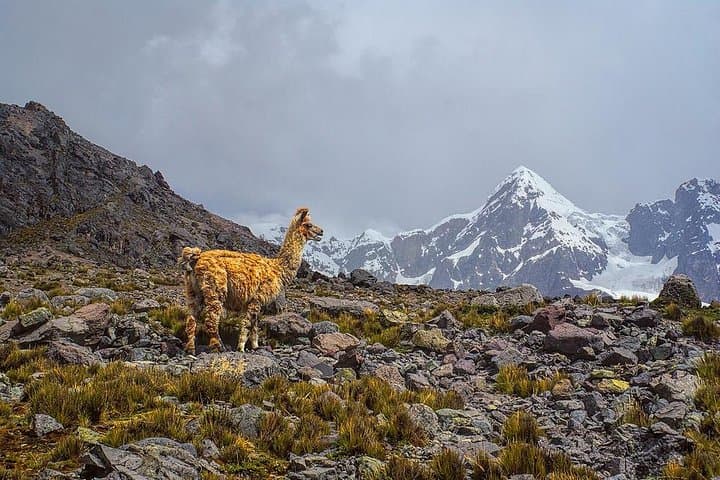
Wind cuts the thin air as you step from Tinqui and begin the climb toward Upis, the Andes opening like a slow-motion reveal. Snow shoulders the skyline—Apu Ausangate looms, its glaciers shrinking into steep white ribs—while bright turquoise lakes punctuate the high pampas and herds of llamas graze, unconcerned by passing boots.
Verified experiences and guided adventures in the surrounding area.
Operated by Machu Picchu Peru Cusco · Cusco, Cusco Region
Wind cuts the thin air as you step from Tinqui and begin the climb toward Upis, the Andes opening like a slow-motion reveal. Snow shoulders the skyline—Apu Ausangate looms, its glaciers shrinking into steep white ribs—while bright turquoise lakes punctuate the high pampas and herds of llamas graze, unconcerned by passing boots.
This five-day circuit circles Peru’s sacred Ausangate massif (6,380 m) and crosses multiple high passes—Arapa (~4,850 m), Apacheta (~4,900 m), Palomani and Qampa (over 5,000 m on route variations). The terrain alternates between hard-packed trail, rocky scree and soft wet meadows beside glacial tarns like Jatun Puqa Q’ocha. Cultural notes arrive on the trail: Andean families in traditional flatboard hats tend llamas and alpacas, and ancient cairns (apachetas) mark routes once walked by pre-Columbian communities.
Expect long days (6–8 hours) with significant elevation changes: daily camps sit between roughly 3,800–4,700 m, so acclimatization in Cusco or the Sacred Valley beforehand is essential. Guides provide tents, meals, pack horses and emergency oxygen; hot springs at Upis and Pacchanta are welcome downtime.
Practical tips: layer for intense sun and sudden cold, carry at least 3 liters of water and a personal altitude plan, and use trekking poles on loose descents. Weather shifts quickly—plan for wind, snow flurries and brilliant sun in a single day. For experienced trekkers seeking raw alpine skies, cultural encounters and turquoise highland lakes, Ausangate delivers a demanding but unforgettable circuit.
challenging.
5 days (6–8 hours daily).
Good cardiovascular fitness and prior multi-day trekking experience recommended; be comfortable hiking at 4,000–5,000 m.
No; the classic 5-day Ausangate circuit is a high-altitude trek without glacier travel or technical climbing, but it does require steady fitness and comfort at elevation.
Camps are typically between ~3,800–4,700 m; key passes reached on the route range from about 4,850 m to just over 5,000 m depending on the exact itinerary.
Yes—Upis and Pacchanta both have natural hot springs where trekkers often soak after long days, so pack swimwear and a quick-dry towel.
Acute mountain sickness can occur; guides carry a first aid kit and emergency oxygen and can arrange horse evacuation or descent if symptoms are severe—communicate symptoms early.
Ausangate has long been revered in Andean cosmology as an Apu (sacred mountain) with local communities performing seasonal rituals and offerings along its flanks.
The high puna is ecologically fragile—stick to established campsites, pack out waste, and respect grazing areas to minimize impact on native grasses and water sources.
Machu Picchu Peru Cusco operates guided outdoor trips and adventures with an emphasis on safety, stewardship, and memorable experiences.
Wind cuts the thin air as you step from Tinqui and begin the climb toward Upis, the Andes opening like a slow-motion reveal. Snow shoulders the skyline—Apu Ausangate looms, its glaciers shrinking into steep white ribs—while bright turquoise lakes punctuate the high pampas and herds of llamas graze, unconcerned by passing boots.
Wind cuts the thin air as you step from Tinqui and begin the climb toward Upis, the Andes opening like a slow-motion reveal. Snow shoulders the skyline—Apu Ausangate looms, its glaciers shrinking into steep white ribs—while bright turquoise lakes punctuate the high pampas and herds of llamas graze, unconcerned by passing boots.
This five-day circuit circles Peru’s sacred Ausangate massif (6,380 m) and crosses multiple high passes—Arapa (~4,850 m), Apacheta (~4,900 m), Palomani and Qampa (over 5,000 m on route variations). The terrain alternates between hard-packed trail, rocky scree and soft wet meadows beside glacial tarns like Jatun Puqa Q’ocha. Cultural notes arrive on the trail: Andean families in traditional flatboard hats tend llamas and alpacas, and ancient cairns (apachetas) mark routes once walked by pre-Columbian communities.
Expect long days (6–8 hours) with significant elevation changes: daily camps sit between roughly 3,800–4,700 m, so acclimatization in Cusco or the Sacred Valley beforehand is essential. Guides provide tents, meals, pack horses and emergency oxygen; hot springs at Upis and Pacchanta are welcome downtime.
Practical tips: layer for intense sun and sudden cold, carry at least 3 liters of water and a personal altitude plan, and use trekking poles on loose descents. Weather shifts quickly—plan for wind, snow flurries and brilliant sun in a single day. For experienced trekkers seeking raw alpine skies, cultural encounters and turquoise highland lakes, Ausangate delivers a demanding but unforgettable circuit.