THE ADVENTURE COLLECTIVE® · Independent discovery and booking for outdoor travel

A six-day, high-altitude trek that approaches Ausangate’s sacred slopes and finishes on the shores of remote Lake Sibinacocha. Expect long days above 4,000–5,200 m, camping, thermal pools and close encounters with Andean wildlife.
A six-day, high-altitude trek that approaches Ausangate’s sacred slopes and finishes on the shores of remote Lake Sibinacocha. Expect long days above 4,000–5,200 m, camping, thermal pools and close encounters with Andean wildlife.
You step out of the van and the air is thin and bright—mountain light slicing across a wide, wind-swept valley. The snow crown of Ausangate (6,372 m) hangs like a silent Apu above the trail as you move from Tinqui (3,800 m) toward Pacchanta’s thermal pools at 4,100 m.
Verified experiences and guided adventures in the surrounding area.
Operated by Minka Peru Expeditions · Cusco, Cusco
You step out of the van and the air is thin and bright—mountain light slicing across a wide, wind-swept valley. The snow crown of Ausangate (6,372 m) hangs like a silent Apu above the trail as you move from Tinqui (3,800 m) toward Pacchanta’s thermal pools at 4,100 m.
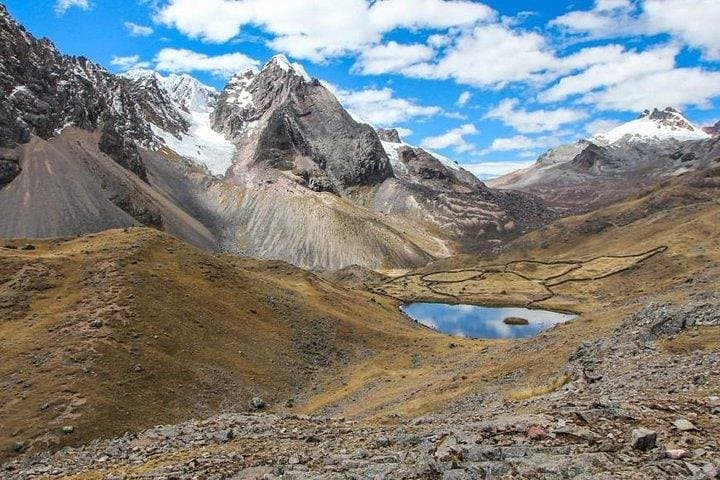
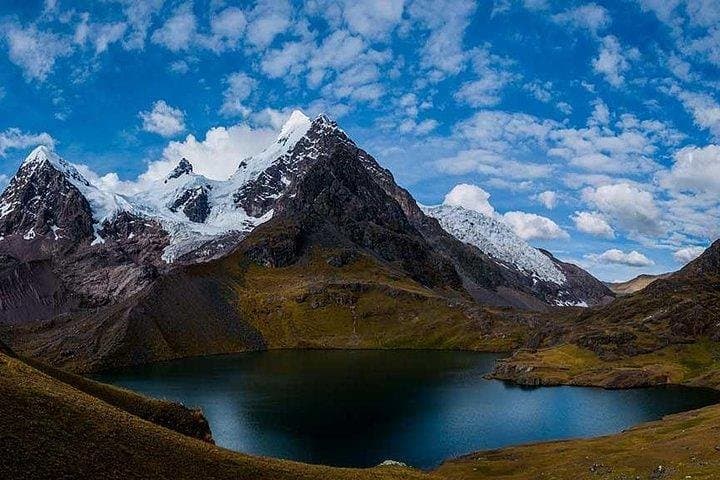
This six-day route threads high passes and moraine-built saddles carved by the Vilcanota glaciers. Hikes range from steady valley walks to steep ascents: Jampa Pass at ~5,080 m, the Yanaqocha pass ~5,050 m and the trek’s high point near 5,200 m before the long descent to Lake Sibinacocha. Along the way you’ll cross volcanic soils, glacial streams and puna grasslands grazed by llamas, alpacas and the shy vicuña. Local Quechua communities revere Ausangate as an Apu—a sacred mountain—and the route offers direct contact with traditional herding life in villages such as Phinaya.
Expect camping on lakeshores and high plateaus, nights under clear, cold skies, and daylight that favors early departures. Trails include rocky tundra, scree approaches, and long downhill sections that test knees; horses carry gear on several legs. The trip is best attempted after proper acclimatization in Cusco (allow at least 48–72 hours). Carry layered clothing, a warm sleeping bag, sun protection, and sufficient water treatment. Guides provide tents, meals and first-aid, but the high-altitude environment demands respect—move deliberately, monitor symptoms, and prioritize hydration and rest to enjoy the wild, unfrequented reaches of Ausangate and the turquoise expanse of Sibinacocha.
challenging.
6 days (approx. 30–40 hours hiking).
Strong cardiovascular fitness and experience with multi-day high-altitude trekking; prior acclimatization required.
This is a challenging, high-altitude route with multiple days above 4,500 m; prior high-altitude trekking experience and good fitness are strongly recommended.
The dry season (roughly May–November) offers more stable weather. Operators typically suspend departures in December–February due to heavy rains and unstable conditions.
Yes — the trip includes camping equipment, meals (breakfasts, lunches, dinners) and horse support for gear, but personal gear like sleeping bags and layers are usually your responsibility.
Expect to see llamas and alpacas commonly, and with luck vicuñas and Andean condors in more remote high-elevation sectors.
Ausangate is a major Apu in Quechua cosmology; communities around the massif maintain traditional herding and ritual practices tied to the mountain.
The high puna and lake ecosystems are fragile; follow Leave No Trace, limit campfires, and use established toilet protocols to protect water sources and grazing lands.
Minka Peru Expeditions operates guided outdoor trips and adventures with an emphasis on safety, stewardship, and memorable experiences.
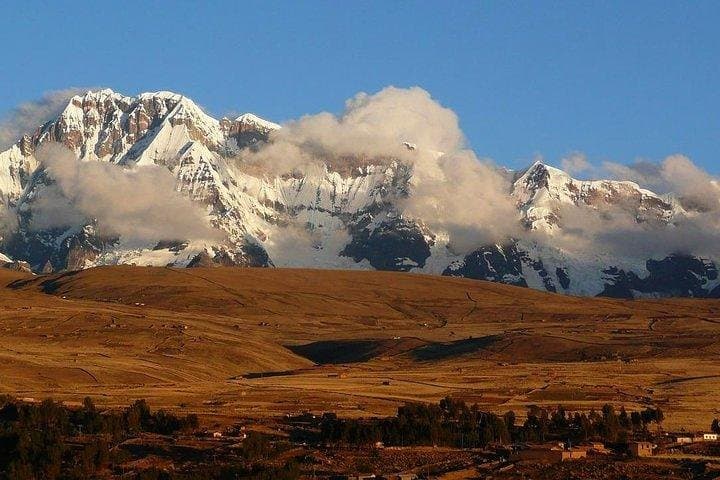
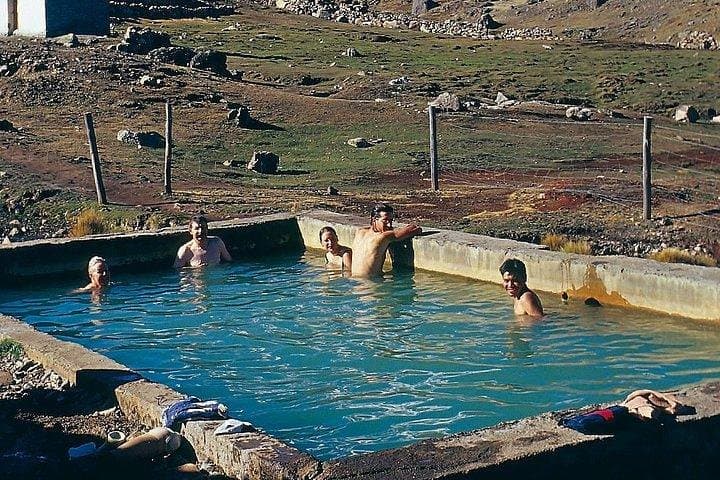
You step out of the van and the air is thin and bright—mountain light slicing across a wide, wind-swept valley. The snow crown of Ausangate (6,372 m) hangs like a silent Apu above the trail as you move from Tinqui (3,800 m) toward Pacchanta’s thermal pools at 4,100 m.
You step out of the van and the air is thin and bright—mountain light slicing across a wide, wind-swept valley. The snow crown of Ausangate (6,372 m) hangs like a silent Apu above the trail as you move from Tinqui (3,800 m) toward Pacchanta’s thermal pools at 4,100 m.
This six-day route threads high passes and moraine-built saddles carved by the Vilcanota glaciers. Hikes range from steady valley walks to steep ascents: Jampa Pass at ~5,080 m, the Yanaqocha pass ~5,050 m and the trek’s high point near 5,200 m before the long descent to Lake Sibinacocha. Along the way you’ll cross volcanic soils, glacial streams and puna grasslands grazed by llamas, alpacas and the shy vicuña. Local Quechua communities revere Ausangate as an Apu—a sacred mountain—and the route offers direct contact with traditional herding life in villages such as Phinaya.
Expect camping on lakeshores and high plateaus, nights under clear, cold skies, and daylight that favors early departures. Trails include rocky tundra, scree approaches, and long downhill sections that test knees; horses carry gear on several legs. The trip is best attempted after proper acclimatization in Cusco (allow at least 48–72 hours). Carry layered clothing, a warm sleeping bag, sun protection, and sufficient water treatment. Guides provide tents, meals and first-aid, but the high-altitude environment demands respect—move deliberately, monitor symptoms, and prioritize hydration and rest to enjoy the wild, unfrequented reaches of Ausangate and the turquoise expanse of Sibinacocha.