THE ADVENTURE COLLECTIVE® · Independent discovery and booking for outdoor travel

A six-day circuit that pairs the Ausangate highlands with Rainbow Mountain’s famous colors. Expect high passes, glacial lagoons, Quechua culture and camping at altitude—prepare to acclimatize and move at a steady, conservative pace.
A six-day circuit that pairs the Ausangate highlands with Rainbow Mountain’s famous colors. Expect high passes, glacial lagoons, Quechua culture and camping at altitude—prepare to acclimatize and move at a steady, conservative pace.
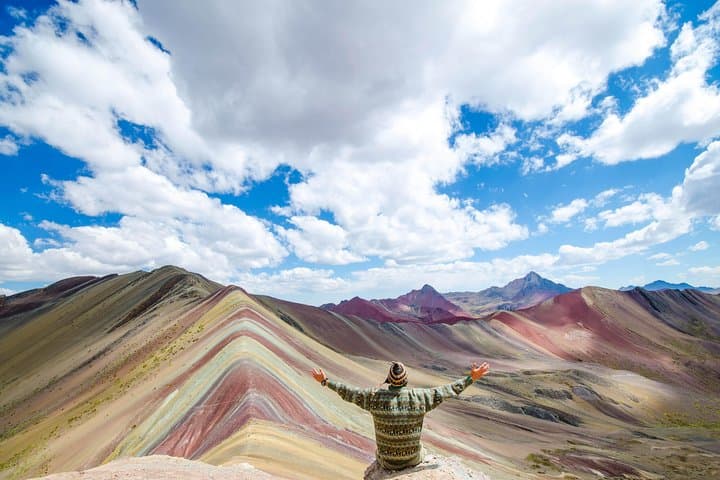
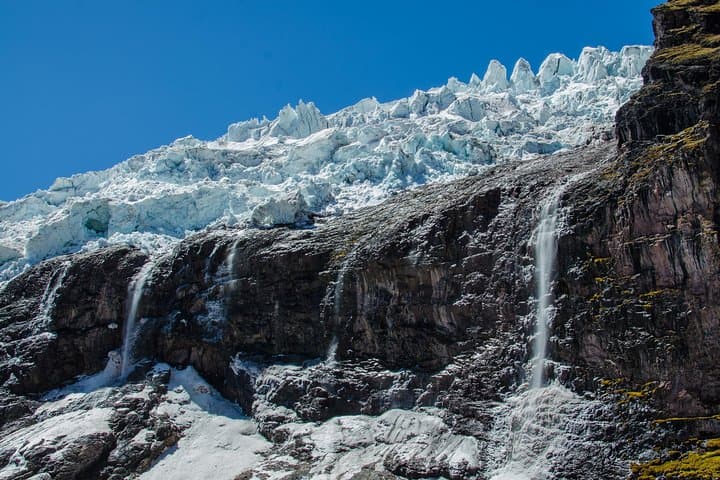
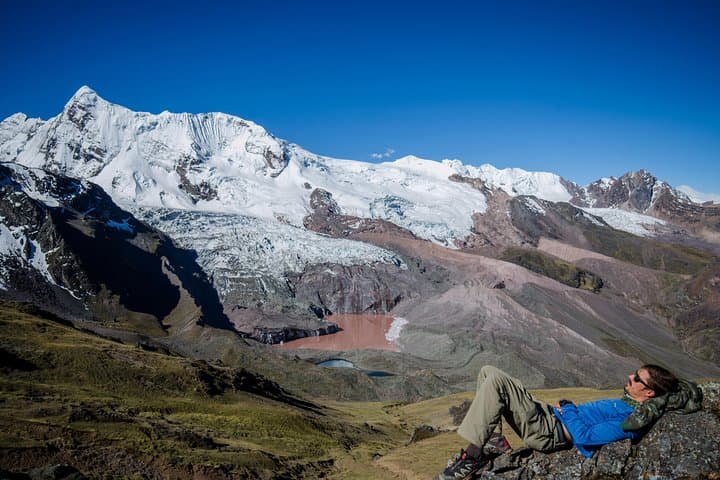
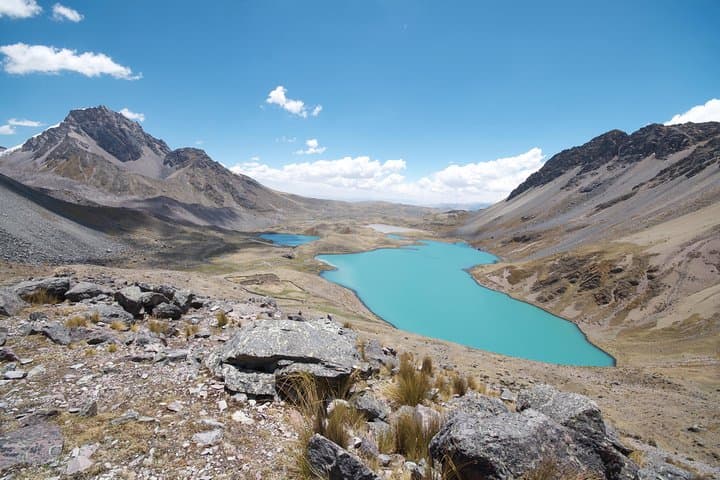
Dawn breaks cold and blue on the high puna as your minivan drops you at Tinqui; the road ends and the trail begins. Thin air tightens your breath while peaks peel back into the distance—glacial arms, rust-colored moraines and pockets of electric lakes. Over six days you move from valley villages and steaming hot springs to the sweep of Ausangate's glaciers, finishing with the riotous bands of color at Rainbow Mountain.
Verified experiences and guided adventures in the surrounding area.
Operated by FlashpackerConnect LLC · Cusco, Cusco Region
Dawn breaks cold and blue on the high puna as your minivan drops you at Tinqui; the road ends and the trail begins. Thin air tightens your breath while peaks peel back into the distance—glacial arms, rust-colored moraines and pockets of electric lakes. Over six days you move from valley villages and steaming hot springs to the sweep of Ausangate's glaciers, finishing with the riotous bands of color at Rainbow Mountain.
This route threads pastoral Quechua country shaped by millennia of Andean culture. Herding routes and stone corrals reflect pre-Columbian land uses; many of the passes follow ancient footpaths once used for trade and ritual offerings to Apu Ausangate, a sacred mountain. Geologically the landscape is young and active: glacial sculpting and mineral-rich strata produce the ochres and crimsons of the Red Valley and the carbonate layers that make Vinicunca’s stripes.
Local communities keep herds of llamas and alpacas, and small camps still use traditional coca tea to counter altitude. Guides emphasize low-impact camping here—the tundra is fragile and slow to recover.
Practical guidance: acclimatize in Cusco for at least 48 hours, carry layers for 20–30°C swings between day and night, and expect long high-pass days (peaks over 5,100 m). Hydrate, use a slow pace on steep climbs, and bring a quality sleeping bag; pack horses carry most gear but personal daypacks should be light. Weather can flip to sleet fast—start early, plan for shorter daylight in the shoulder seasons, and respect the guide’s pace for safety and enjoyment.
challenging.
6 days.
Good cardiovascular fitness and prior day-hike experience at altitude; ability to hike 6–8 hours on steep, uneven ground
No formal experience required, but you should be comfortable hiking 6–8 hour days and have spent time above 2,500 m; proper acclimatization in Cusco is strongly recommended.
Entrance fees and access permissions are required in this region—this tour includes the necessary fees to access private lands and protected areas.
The tour provides private transfers from Cusco, tents, sleeping bags, meals (breakfast, lunch, dinner), snacks and a chef; horses carry heavier gear and a portable toilet is provided.
Passes exceed 5,000 m so altitude sickness is a real risk; carrying altitude medication, ascending slowly and maintaining hydration and rest are key mitigation steps.
The trail follows ancient Andean pathways used by local Quechua communities for grazing and religious offerings to Ausangate, an Apu (sacred mountain).
The puna grasslands and glacial lakes are fragile; tours limit group size, use pack animals and emphasize waste carry-out to reduce human impact.
FlashpackerConnect LLC operates guided outdoor trips and adventures with an emphasis on safety, stewardship, and memorable experiences.
Dawn breaks cold and blue on the high puna as your minivan drops you at Tinqui; the road ends and the trail begins. Thin air tightens your breath while peaks peel back into the distance—glacial arms, rust-colored moraines and pockets of electric lakes. Over six days you move from valley villages and steaming hot springs to the sweep of Ausangate's glaciers, finishing with the riotous bands of color at Rainbow Mountain.
Dawn breaks cold and blue on the high puna as your minivan drops you at Tinqui; the road ends and the trail begins. Thin air tightens your breath while peaks peel back into the distance—glacial arms, rust-colored moraines and pockets of electric lakes. Over six days you move from valley villages and steaming hot springs to the sweep of Ausangate's glaciers, finishing with the riotous bands of color at Rainbow Mountain.
This route threads pastoral Quechua country shaped by millennia of Andean culture. Herding routes and stone corrals reflect pre-Columbian land uses; many of the passes follow ancient footpaths once used for trade and ritual offerings to Apu Ausangate, a sacred mountain. Geologically the landscape is young and active: glacial sculpting and mineral-rich strata produce the ochres and crimsons of the Red Valley and the carbonate layers that make Vinicunca’s stripes.
Local communities keep herds of llamas and alpacas, and small camps still use traditional coca tea to counter altitude. Guides emphasize low-impact camping here—the tundra is fragile and slow to recover.
Practical guidance: acclimatize in Cusco for at least 48 hours, carry layers for 20–30°C swings between day and night, and expect long high-pass days (peaks over 5,100 m). Hydrate, use a slow pace on steep climbs, and bring a quality sleeping bag; pack horses carry most gear but personal daypacks should be light. Weather can flip to sleet fast—start early, plan for shorter daylight in the shoulder seasons, and respect the guide’s pace for safety and enjoyment.