THE ADVENTURE COLLECTIVE® · Independent discovery and booking for outdoor travel

A full-day, high-altitude circuit from Cusco to the seven colored lagoons beneath Ausangate, blending glacial landscapes, Andean wildlife, and an optional soak in Pacchanta hot springs. Expect long hiking hours, rocky terrain, and dramatic mountain views.
A full-day, high-altitude circuit from Cusco to the seven colored lagoons beneath Ausangate, blending glacial landscapes, Andean wildlife, and an optional soak in Pacchanta hot springs. Expect long hiking hours, rocky terrain, and dramatic mountain views.
Dawn in the high Andes arrives cold and sharp: a string of headlights peels away from Cusco and climbs into skeletal grasslands where wind shapes every ridge. By midmorning the trail opens onto a scattering of jewel-toned lakes — turquoise, deep blue, and bottle-green — each reflecting the white flank of Ausangate, the mountain that watches the valley like an elder. The seven lagoons route threads through rock slabs, puna grass, and moraine, passing herds of llamas and the alert silhouette of vizcachas.
Verified experiences and guided adventures in the surrounding area.
Operated by Machupicchu Luna Tours · Cusco, Cusco Region
Dawn in the high Andes arrives cold and sharp: a string of headlights peels away from Cusco and climbs into skeletal grasslands where wind shapes every ridge. By midmorning the trail opens onto a scattering of jewel-toned lakes — turquoise, deep blue, and bottle-green — each reflecting the white flank of Ausangate, the mountain that watches the valley like an elder. The seven lagoons route threads through rock slabs, puna grass, and moraine, passing herds of llamas and the alert silhouette of vizcachas.
Ausangate is an Apu — a sacred mountain in Andean cosmovision — and its glaciers and cirques are carved by Quaternary ice and persistent freeze-thaw. The lakes are often kettle and moraine ponds fed by glacial melt; their colors change with mineral content and light. Villages around Pacchanta retain Quechua traditions: you may hear the rhythmic clack of spindles and see textile dyes drawn from local plants.
Practically, expect a long, high-altitude day. The tour starts pre-dawn from Cusco and returns at dusk; total moving time can approach 6–8 hours with substantial time for photos and acclimatization breaks. Trails are rocky and uneven with short steep sections; oxygen thins above 4,000 m, so pace conservatively. Bring layered insulation, sturdy boots, sun protection, at least 2–3 liters of water, and snacks for energy. If you choose the Pacchanta hot springs after the hike, plan on a gentle soak to ease legs and mind before the drive back to Cusco.
Balanced preparation makes this a rewarding day: the lakes demand attention; the mountain gives quiet answers.
challenging.
12–15 hours.
You should have good cardiovascular fitness and experience with long day hikes at altitude; prior hiking above 3,500 m is recommended.
Trails in the Ausangate lagoons area frequently rise above 4,000 meters; plan for sustained high-altitude walking and slower pace.
Lunch and transport are included; the hot springs are typically optional—bring swimwear and a towel if you plan to soak.
The trip is not recommended for pregnant travelers or people with serious back or heart problems; check age and health guidelines with the operator.
Yes—watch for llamas, alpacas, vizcachas, and sometimes Andean birds like the condor or various ground-tyrants near open puna.
Ausangate is an Apu in Quechua belief and a traditional pilgrimage destination; local communities have long woven spiritual practices into landscape stewardship.
The high-altitude puna is ecologically fragile—stick to established trails, avoid disturbing wildlife, and minimize waste to protect vegetation and glacial-fed lakes.
Machupicchu Luna Tours operates guided outdoor trips and adventures with an emphasis on safety, stewardship, and memorable experiences.
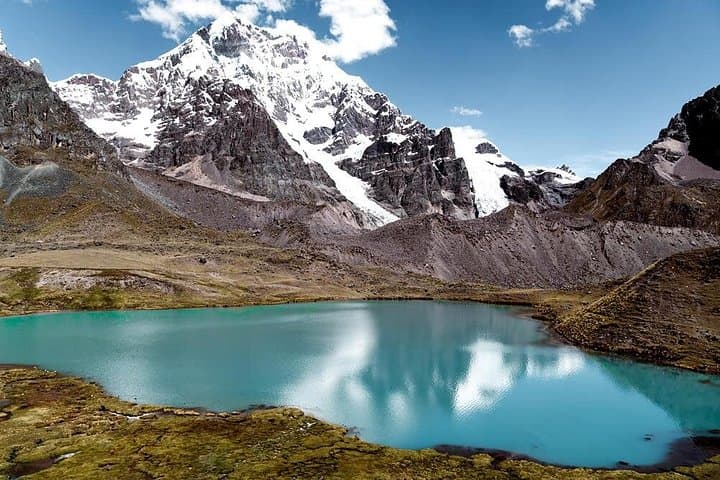
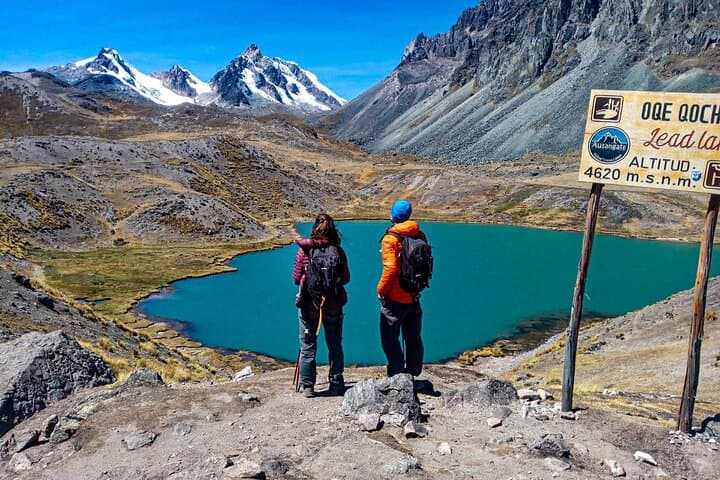
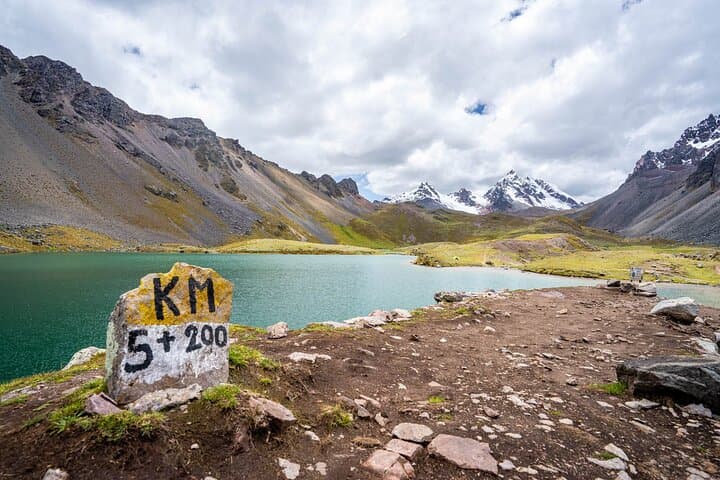
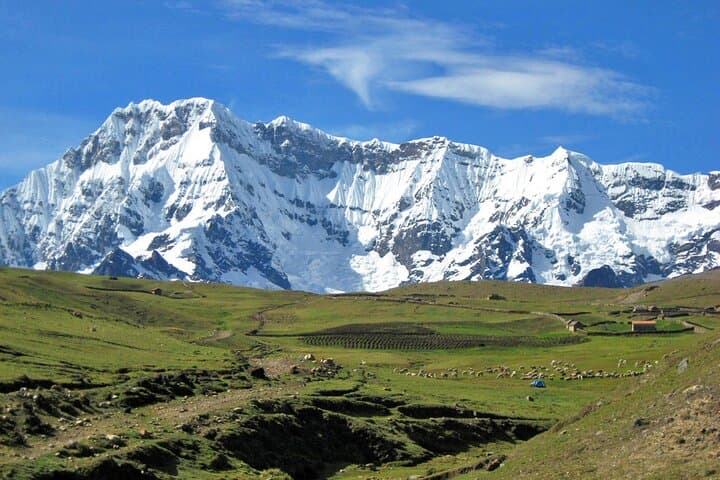
Dawn in the high Andes arrives cold and sharp: a string of headlights peels away from Cusco and climbs into skeletal grasslands where wind shapes every ridge. By midmorning the trail opens onto a scattering of jewel-toned lakes — turquoise, deep blue, and bottle-green — each reflecting the white flank of Ausangate, the mountain that watches the valley like an elder. The seven lagoons route threads through rock slabs, puna grass, and moraine, passing herds of llamas and the alert silhouette of vizcachas.
Dawn in the high Andes arrives cold and sharp: a string of headlights peels away from Cusco and climbs into skeletal grasslands where wind shapes every ridge. By midmorning the trail opens onto a scattering of jewel-toned lakes — turquoise, deep blue, and bottle-green — each reflecting the white flank of Ausangate, the mountain that watches the valley like an elder. The seven lagoons route threads through rock slabs, puna grass, and moraine, passing herds of llamas and the alert silhouette of vizcachas.
Ausangate is an Apu — a sacred mountain in Andean cosmovision — and its glaciers and cirques are carved by Quaternary ice and persistent freeze-thaw. The lakes are often kettle and moraine ponds fed by glacial melt; their colors change with mineral content and light. Villages around Pacchanta retain Quechua traditions: you may hear the rhythmic clack of spindles and see textile dyes drawn from local plants.
Practically, expect a long, high-altitude day. The tour starts pre-dawn from Cusco and returns at dusk; total moving time can approach 6–8 hours with substantial time for photos and acclimatization breaks. Trails are rocky and uneven with short steep sections; oxygen thins above 4,000 m, so pace conservatively. Bring layered insulation, sturdy boots, sun protection, at least 2–3 liters of water, and snacks for energy. If you choose the Pacchanta hot springs after the hike, plan on a gentle soak to ease legs and mind before the drive back to Cusco.
Balanced preparation makes this a rewarding day: the lakes demand attention; the mountain gives quiet answers.