THE ADVENTURE COLLECTIVE® · Independent discovery and booking for outdoor travel

An all-day trek around Ausangate takes you past seven vividly colored glacial lagoons, ancient Inca trails and optional thermal pools. High altitude and long mileage make this a demanding but hugely rewarding Andean outing—perfect for travelers who want dramatic scenery and cultural context in one long day.
An all-day trek around Ausangate takes you past seven vividly colored glacial lagoons, ancient Inca trails and optional thermal pools. High altitude and long mileage make this a demanding but hugely rewarding Andean outing—perfect for travelers who want dramatic scenery and cultural context in one long day.
You step off the vehicle into thin, electric air—wind pushing across a basin of glacial blue and the massif of Ausangate looming like an old guardian. Sheep-bell tones and the distant cry of a raptor fill the valley as you follow a wide, timeworn trail between moraine ridges toward the first of seven lakes, each one a different, vivid shade carved by mineral runoff and glacier melt.
Verified experiences and guided adventures in the surrounding area.
Operated by Peru Private Tours · Cusco, Cusco
You step off the vehicle into thin, electric air—wind pushing across a basin of glacial blue and the massif of Ausangate looming like an old guardian. Sheep-bell tones and the distant cry of a raptor fill the valley as you follow a wide, timeworn trail between moraine ridges toward the first of seven lakes, each one a different, vivid shade carved by mineral runoff and glacier melt.
These lagoons sit on routes used by Inca messengers and local herders for centuries; the mountain itself is an Apu—sacred in Quechua cosmology. Geologically, you’re walking on Puna grassland and exposed glacial deposits: expect rocky scree, braided streams and high, wind-scoured passes where colors change with every step. Guides will point out how iron and copper alter the waters’ hues and tell stories linking each pool to local ritual practice.
Practically, this is a long, high-altitude day: you’ll cover varied terrain, pause for a picnic of Peruvian flavors, and may opt to end the day in Pacchanta’s thermal pools to ease tight muscles. Bring layers for wind and sun, carry extra water, and pace your ascent—altitude, not technical difficulty, is the main challenge. Expect 10–11 hours including driving time from Cusco, frequent photo stops, and encounters with vicuñas and mountain birds. The route rewards patience: the light over the final lagoon often feels like the landscape catching its breath.
If you plan to go, acclimatize in Cusco first, wear sturdy boots, and accept that some of the day’s best moments arrive in silence—when the wind pulls the world into sharp focus.
challenging.
10–11 hours (full day).
Good aerobic fitness and experience with high-altitude day hikes will make the day far more comfortable; regular walkers who have acclimatized should manage well.
The full experience is roughly 10–11 hours door-to-door from Cusco, with most tours returning to the city in the early evening.
If you have little altitude experience, spend 2–3 days in Cusco before the trek; the trail is non-technical but the elevation makes it demanding.
The lagoons are cold, fed by glacier melt, and generally not suitable for swimming; water is often protected for cultural reasons—ask your guide before approaching the shore.
Yes, many itineraries include an optional stop at Pacchanta for a soak (own expense), which is a welcome way to relax after the hike.
Trails around Ausangate trace pre-Columbian routes used by the Inca and earlier Andean peoples; the mountain is venerated as an Apu in Quechua tradition.
The high puna ecosystem is fragile—stay on trails, avoid collecting stones or plants, and pack out all waste to protect water sources and grazing lands.
Peru Private Tours operates guided outdoor trips and adventures with an emphasis on safety, stewardship, and memorable experiences.
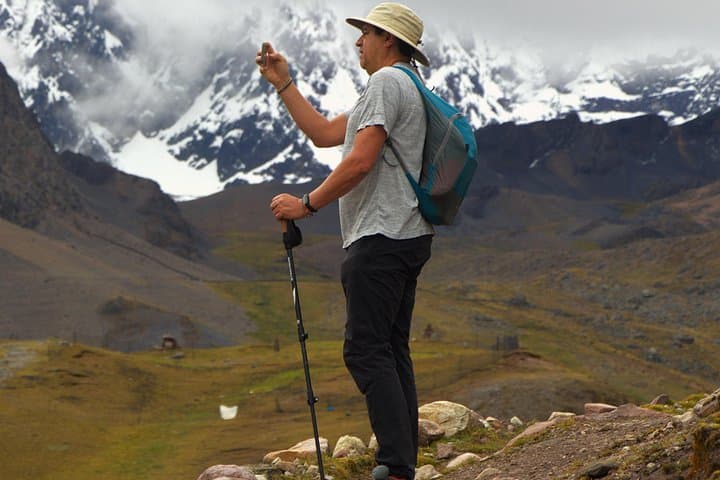
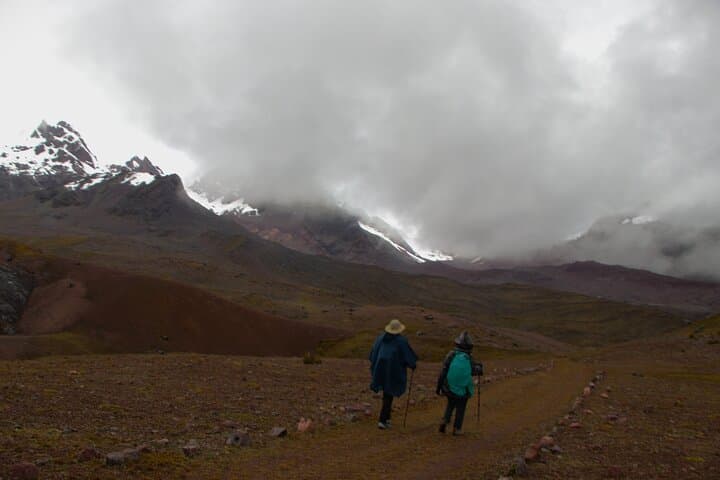
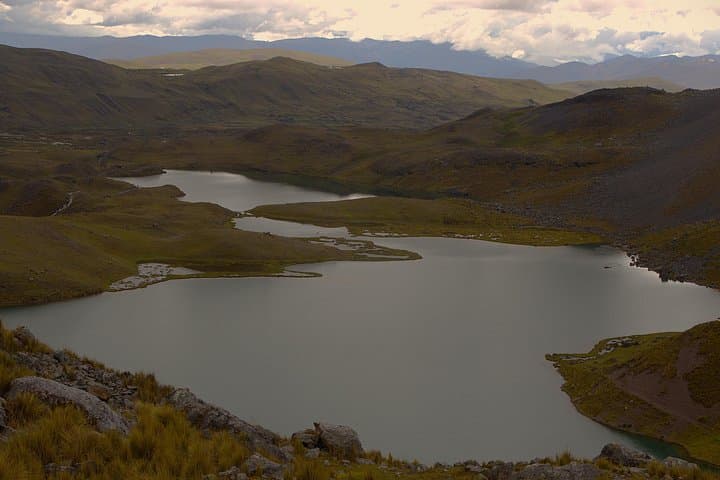
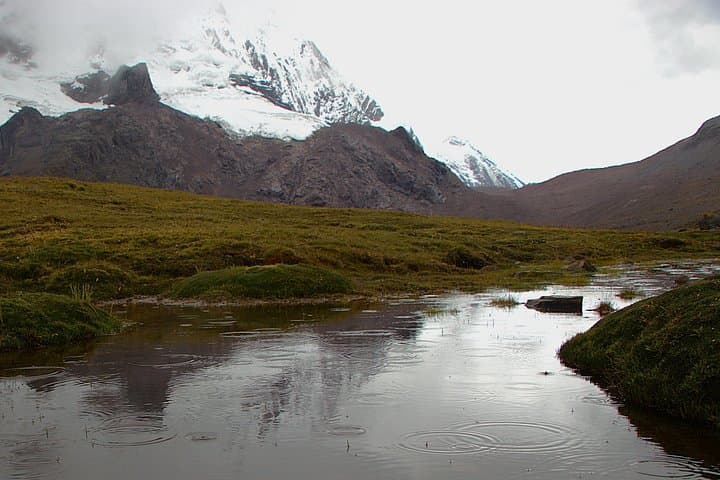
You step off the vehicle into thin, electric air—wind pushing across a basin of glacial blue and the massif of Ausangate looming like an old guardian. Sheep-bell tones and the distant cry of a raptor fill the valley as you follow a wide, timeworn trail between moraine ridges toward the first of seven lakes, each one a different, vivid shade carved by mineral runoff and glacier melt.
You step off the vehicle into thin, electric air—wind pushing across a basin of glacial blue and the massif of Ausangate looming like an old guardian. Sheep-bell tones and the distant cry of a raptor fill the valley as you follow a wide, timeworn trail between moraine ridges toward the first of seven lakes, each one a different, vivid shade carved by mineral runoff and glacier melt.
These lagoons sit on routes used by Inca messengers and local herders for centuries; the mountain itself is an Apu—sacred in Quechua cosmology. Geologically, you’re walking on Puna grassland and exposed glacial deposits: expect rocky scree, braided streams and high, wind-scoured passes where colors change with every step. Guides will point out how iron and copper alter the waters’ hues and tell stories linking each pool to local ritual practice.
Practically, this is a long, high-altitude day: you’ll cover varied terrain, pause for a picnic of Peruvian flavors, and may opt to end the day in Pacchanta’s thermal pools to ease tight muscles. Bring layers for wind and sun, carry extra water, and pace your ascent—altitude, not technical difficulty, is the main challenge. Expect 10–11 hours including driving time from Cusco, frequent photo stops, and encounters with vicuñas and mountain birds. The route rewards patience: the light over the final lagoon often feels like the landscape catching its breath.
If you plan to go, acclimatize in Cusco first, wear sturdy boots, and accept that some of the day’s best moments arrive in silence—when the wind pulls the world into sharp focus.