THE ADVENTURE COLLECTIVE® · Independent discovery and booking for outdoor travel

Spend an evening at Borealis Basecamp with a three-course meal at Latitude 65, a short presentation on northern lights science and folklore, and guided sky viewing from a rural yurt location. Self-drive required—plan for winter tires and a 4WD vehicle in colder months.
Spend an evening at Borealis Basecamp with a three-course meal at Latitude 65, a short presentation on northern lights science and folklore, and guided sky viewing from a rural yurt location. Self-drive required—plan for winter tires and a 4WD vehicle in colder months.
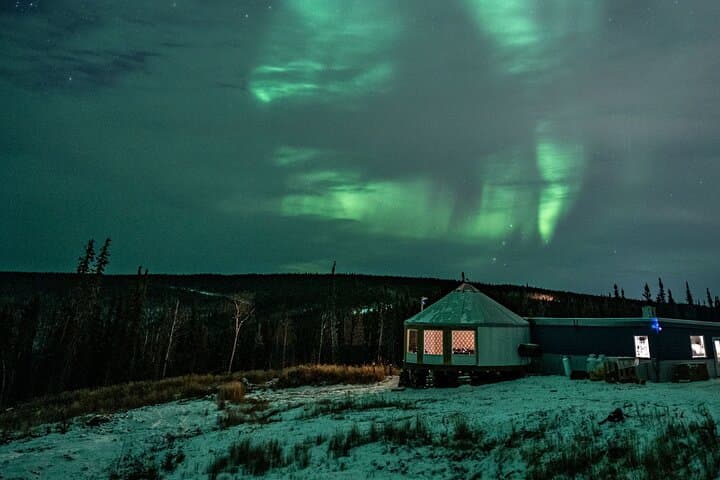
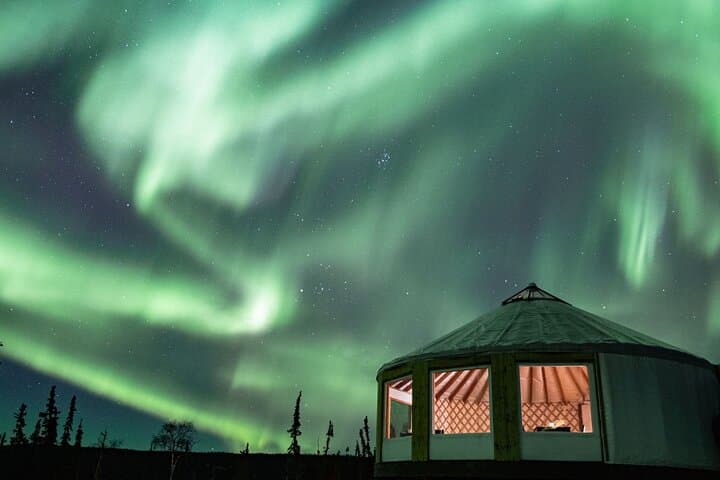
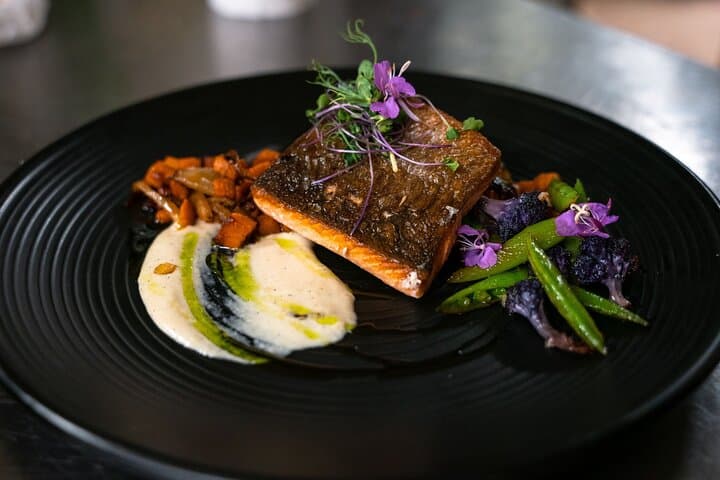
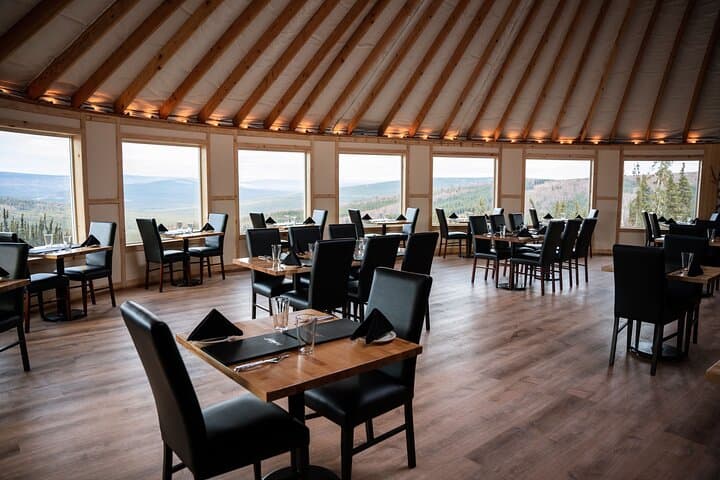
You arrive after a long dusk drive along a snowy road, headlights cutting through spruce and birch. At Latitude 65 the dining room is warm; a three-course meal opens the evening and gives your hands a chance to regain feeling before you step back into the cold. After dessert the lounge hums with low conversation, and staff point out where the sky will be watched from the yurt and open viewing areas.
Verified experiences and guided adventures in the surrounding area.
Operated by Basecamp Adventures · Fairbanks, Alaska
You arrive after a long dusk drive along a snowy road, headlights cutting through spruce and birch. At Latitude 65 the dining room is warm; a three-course meal opens the evening and gives your hands a chance to regain feeling before you step back into the cold. After dessert the lounge hums with low conversation, and staff point out where the sky will be watched from the yurt and open viewing areas.
The aurora itself belongs to physics and to stories. Charged solar particles meeting Earth’s magnetosphere light up the upper atmosphere, while Athabascan and Inupiaq oral histories carry older explanations that treat the lights as active presences—warnings, guardians, or messages depending on the tale. Geologically, you’re in the interior Alaska basin: low-angle hills, black spruce, and long winter nights that give the aurora its stage. Light pollution is minimal here, which is why operators set up yurts and viewing platforms away from Fairbanks’ glow.
Practical guide: reservations start at 8:00 p.m. for dinner at Latitude 65; the program runs into the night with a free 20-minute presentation at 10:00 p.m. and viewing until the yurt closes at 2:00 a.m. This listing is self-drive—plan up to an hour each way, and bring a vehicle with 4WD and winter tires in cold months. Photography sessions are available for an extra fee (about $60 per person). Dress in insulated layers, bring a tripod or rent one, and keep phone batteries warm. Children must be accompanied by an adult. Expect minimal walking from the front desk yurt to viewing areas but long exposure to cold; plan transport and timing accordingly.
easy.
6 hours.
Minimal fitness required—mostly seated dining and short, flat strolls to viewing areas; must tolerate cold and standing in place.
Yes. This is a self-drive activity; plan up to an hour each way from Fairbanks and bring a vehicle with 4WD and winter tires in cold months.
Dinner reservations begin at 8:00 p.m.; a free aurora presentation is given around 10:00 p.m., and the yurt closes at 2:00 a.m.
Yes—additional guided photography sessions are offered at about $60 per person; you can also bring your own tripod for long exposures.
Children 17 and younger must be accompanied by an adult; infants can use prams and infant seats are available, but plan for cold-weather needs.
Local Athabascan communities have long-held oral traditions about the lights; modern interpretive talks at the basecamp pair that folklore with plasma physics.
Operators minimize light pollution and keep group sizes small to reduce disturbance; visitors are asked to pack out waste and avoid driving off established roads.
Basecamp Adventures operates guided outdoor trips and adventures with an emphasis on safety, stewardship, and memorable experiences.
You arrive after a long dusk drive along a snowy road, headlights cutting through spruce and birch. At Latitude 65 the dining room is warm; a three-course meal opens the evening and gives your hands a chance to regain feeling before you step back into the cold. After dessert the lounge hums with low conversation, and staff point out where the sky will be watched from the yurt and open viewing areas.
You arrive after a long dusk drive along a snowy road, headlights cutting through spruce and birch. At Latitude 65 the dining room is warm; a three-course meal opens the evening and gives your hands a chance to regain feeling before you step back into the cold. After dessert the lounge hums with low conversation, and staff point out where the sky will be watched from the yurt and open viewing areas.
The aurora itself belongs to physics and to stories. Charged solar particles meeting Earth’s magnetosphere light up the upper atmosphere, while Athabascan and Inupiaq oral histories carry older explanations that treat the lights as active presences—warnings, guardians, or messages depending on the tale. Geologically, you’re in the interior Alaska basin: low-angle hills, black spruce, and long winter nights that give the aurora its stage. Light pollution is minimal here, which is why operators set up yurts and viewing platforms away from Fairbanks’ glow.
Practical guide: reservations start at 8:00 p.m. for dinner at Latitude 65; the program runs into the night with a free 20-minute presentation at 10:00 p.m. and viewing until the yurt closes at 2:00 a.m. This listing is self-drive—plan up to an hour each way, and bring a vehicle with 4WD and winter tires in cold months. Photography sessions are available for an extra fee (about $60 per person). Dress in insulated layers, bring a tripod or rent one, and keep phone batteries warm. Children must be accompanied by an adult. Expect minimal walking from the front desk yurt to viewing areas but long exposure to cold; plan transport and timing accordingly.