THE ADVENTURE COLLECTIVE® · Independent discovery and booking for outdoor travel

A 360-degree glass igloo on the Chena River puts the aurora overhead without interruption. This outing combines a short transfer from Fairbanks with guided viewing, hot drinks, and photo assistance for prime Northern Lights watching.
A 360-degree glass igloo on the Chena River puts the aurora overhead without interruption. This outing combines a short transfer from Fairbanks with guided viewing, hot drinks, and photo assistance for prime Northern Lights watching.
Shivering air, a low river voice, and a sphere of glass that reflects the sky — arrive at Aurora Sphere and the aurora feels close enough to touch. Set beside the Chena River amid stands of birch and spruces, the transparent dome gives an uninterrupted, overhead stage for northern lights that sweep, curl, and then pause as if to study you.
Verified experiences and guided adventures in the surrounding area.
Operated by Daniel Mo · North Pole, Alaska
Shivering air, a low river voice, and a sphere of glass that reflects the sky — arrive at Aurora Sphere and the aurora feels close enough to touch. Set beside the Chena River amid stands of birch and spruces, the transparent dome gives an uninterrupted, overhead stage for northern lights that sweep, curl, and then pause as if to study you.
The land here is carved by glacial melt and river ice; Chena River’s meanders have shaped silt flats and pockets of boreal forest for millennia. Indigenous Athabascan people read these rivers and seasons long before gold rush roads and modern lodges. In winter the ground holds frozen memories of thermal springs and permafrost; in summer, the river reawakens with songbirds and willow catkins.
Expect a focused, low-key cultural rhythm: quiet observation, hot coffee, a fire pit to warm fingers, and guides who know when the sky will dance. The excursion typically includes a 30-minute transfer from hotels in Fairbanks or North Pole and about three hours at the site. Photography help is offered, and guests are notified if aurora activity spikes.
Practical notes: book during the dark months for best visibility (late August–April), layer for -10°C or colder nights, and bring a camera on a tripod for long exposures. The site is suitable for most fitness levels but is not recommended for those with spinal, cardiovascular, or pregnancy restrictions. Plan ahead for transport windows, allow extra time for winter roads, and practice low-impact behavior — pack out what you bring and respect the fragile tundra. The experience is short, sharp, and unforgettable: the sky pushes forward; you stand and watch.
easy.
3–5 hours.
Suitable for most travelers; minimal walking and no technical exertion required
Peak visibility runs from late August through April, with the darkest, clearest months (December–February) offering the highest probability of strong displays.
Total booking time is about 3–5 hours and typically includes roundtrip pickup from Fairbanks-area hotels with approximately a 30-minute transfer each way.
Basic snacks, coffee and tea are provided; restroom access is available but facilities are limited — plan accordingly before departure.
The experience is family-friendly but not recommended for infants required to sit on laps for long periods or for those with significant spinal, cardiovascular, or pregnancy-related restrictions.
The Chena River corridor was historically traveled and used by Athabascan peoples; the Fairbanks area later developed during the gold rush and expanded as a transport hub.
Operators encourage low-impact viewing to protect tundra and riverbanks; light pollution is minimized to preserve aurora visibility and local wildlife behavior.
Daniel Mo operates guided outdoor trips and adventures with an emphasis on safety, stewardship, and memorable experiences.
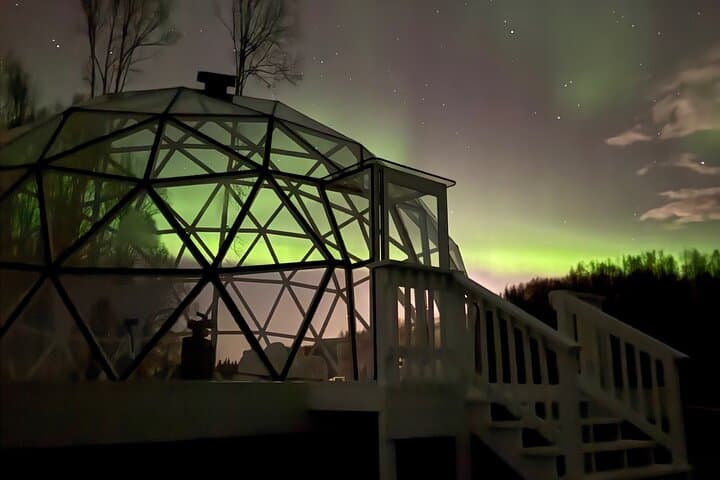
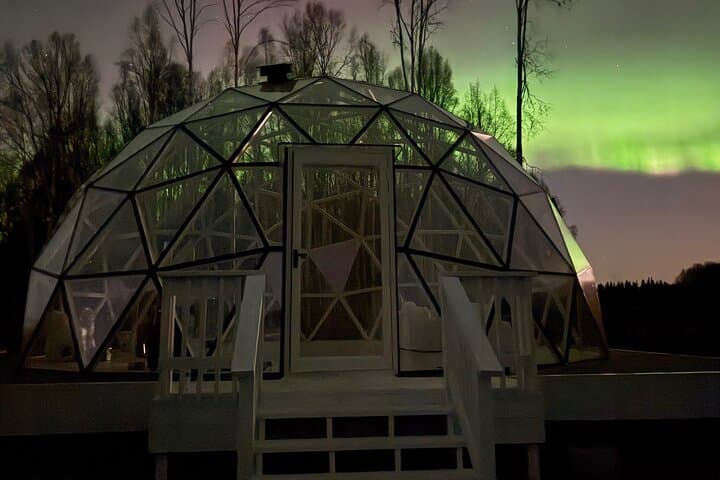
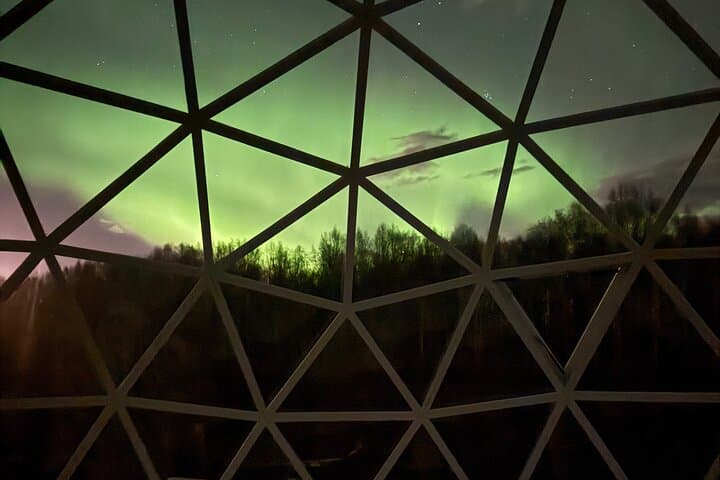
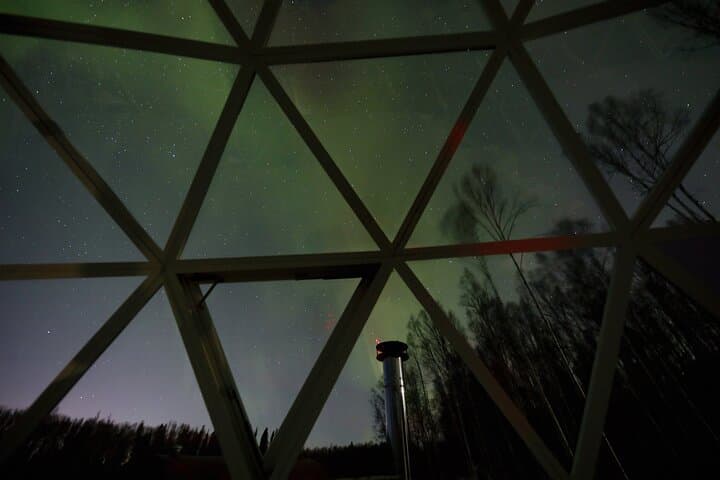
Shivering air, a low river voice, and a sphere of glass that reflects the sky — arrive at Aurora Sphere and the aurora feels close enough to touch. Set beside the Chena River amid stands of birch and spruces, the transparent dome gives an uninterrupted, overhead stage for northern lights that sweep, curl, and then pause as if to study you.
Shivering air, a low river voice, and a sphere of glass that reflects the sky — arrive at Aurora Sphere and the aurora feels close enough to touch. Set beside the Chena River amid stands of birch and spruces, the transparent dome gives an uninterrupted, overhead stage for northern lights that sweep, curl, and then pause as if to study you.
The land here is carved by glacial melt and river ice; Chena River’s meanders have shaped silt flats and pockets of boreal forest for millennia. Indigenous Athabascan people read these rivers and seasons long before gold rush roads and modern lodges. In winter the ground holds frozen memories of thermal springs and permafrost; in summer, the river reawakens with songbirds and willow catkins.
Expect a focused, low-key cultural rhythm: quiet observation, hot coffee, a fire pit to warm fingers, and guides who know when the sky will dance. The excursion typically includes a 30-minute transfer from hotels in Fairbanks or North Pole and about three hours at the site. Photography help is offered, and guests are notified if aurora activity spikes.
Practical notes: book during the dark months for best visibility (late August–April), layer for -10°C or colder nights, and bring a camera on a tripod for long exposures. The site is suitable for most fitness levels but is not recommended for those with spinal, cardiovascular, or pregnancy restrictions. Plan ahead for transport windows, allow extra time for winter roads, and practice low-impact behavior — pack out what you bring and respect the fragile tundra. The experience is short, sharp, and unforgettable: the sky pushes forward; you stand and watch.