THE ADVENTURE COLLECTIVE® · Independent discovery and booking for outdoor travel

Leave Rovaniemi’s lights behind on a guided minibus chase for the Aurora Borealis. Comfortable transport, warm drinks, and local insights increase your chance of a Northern Lights encounter—though sightings depend on solar activity.
Leave Rovaniemi’s lights behind on a guided minibus chase for the Aurora Borealis. Comfortable transport, warm drinks, and local insights increase your chance of a Northern Lights encounter—though sightings depend on solar activity.
The minibus eases out of Rovaniemi and the city lights shrink behind you, leaving a black sky that dares to change. Headlights carve the wintry road while the guide scans aurora forecasts and radio chatter for the clearest pockets of sky. When the windshield clears, the group steps onto frozen ground under a dome of stars; the air is sharp, and every sound—boots on snow, a distant engine—feels amplified.
Verified experiences and guided adventures in the surrounding area.
Operated by Lapland Royal Adventures · Rovaniemi, Lapland
The minibus eases out of Rovaniemi and the city lights shrink behind you, leaving a black sky that dares to change. Headlights carve the wintry road while the guide scans aurora forecasts and radio chatter for the clearest pockets of sky. When the windshield clears, the group steps onto frozen ground under a dome of stars; the air is sharp, and every sound—boots on snow, a distant engine—feels amplified.
Lapland’s skies tell a story of solar winds and geomagnetic storms. For centuries Sámi reindeer herders read the night for weather and seasons; today visitors learn the same sky science through modern forecasts and local lore. The region sits near the Arctic Circle where long winter nights increase aurora chances, and patches of open tundra and frozen lakes create wide horizons for viewing.
Practically, this is a low-effort, high-reward outing: a comfortable minibus transfers you to dark sites chosen for clear horizons and minimal light pollution. Expect stops of 10–45 minutes, warm beverages, and blankets while you wait. Dress in insulated layers, protect fingers and face, and bring a camera with manual settings or a phone with a night mode to capture bands of green or faint purples.
Guides monitor cloud cover and KP-indexes and will move between locations to maximize viewing windows; sightings aren’t guaranteed because the aurora is an electrified, unpredictable performer. Aim for late evening departures between September–April for the best balance of darkness and accessible roads. With a little patience and the right gear, the minibus gives you mobility, warmth, and the best possible shot at a northern-light spectacle.
easy.
3 hours.
Minimal fitness required; participants should be able to step on/off a minibus and stand on uneven ground for brief periods.
The scheduled duration is about 3 hours, including transit to dark-sky sites and multiple short stops for viewing.
No—auroras depend on solar activity and clear skies; guides maximize chances by following forecasts and moving between locations.
Yes; the minibus and selected pickup options accommodate infants, strollers, and wheelchair users, but check specific needs during booking.
Peak viewing runs from September through April when nights are longest and skies darkest; mid-winter offers long dark periods but colder conditions.
The Sámi people have inhabited the region for millennia, using the seasons and skies to guide reindeer herding and travel; modern aurora tourism draws on both scientific and cultural storytelling.
Stay on established pullouts and avoid disturbing vegetation on unfrozen ground; local operators emphasize Leave No Trace and minimize engine idling to reduce emissions.
Lapland Royal Adventures operates guided outdoor trips and adventures with an emphasis on safety, stewardship, and memorable experiences.
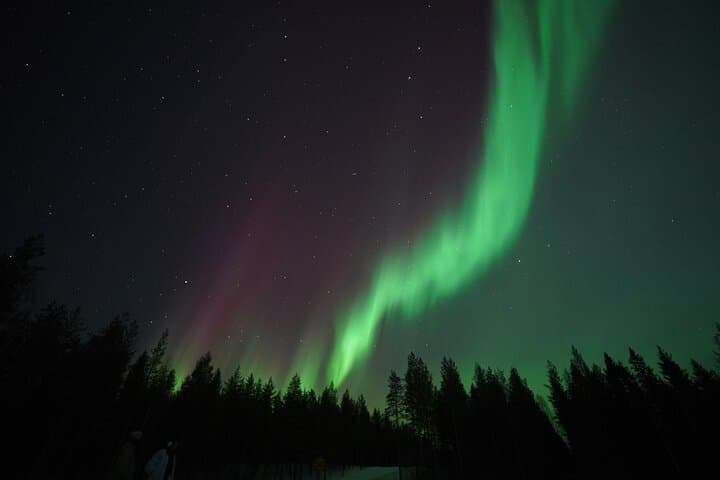
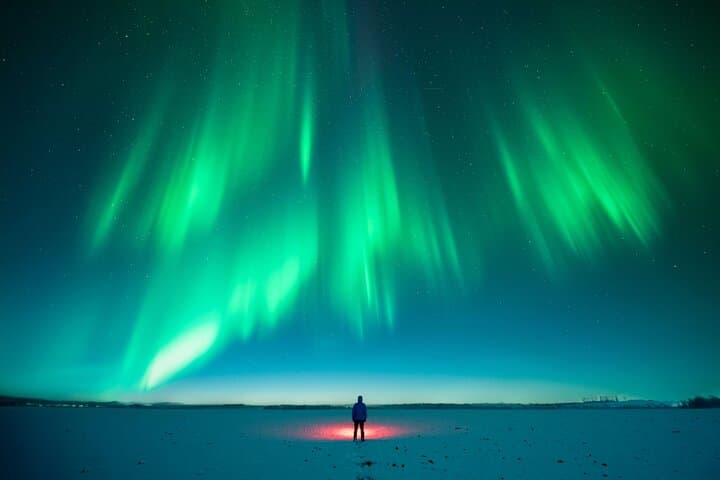


The minibus eases out of Rovaniemi and the city lights shrink behind you, leaving a black sky that dares to change. Headlights carve the wintry road while the guide scans aurora forecasts and radio chatter for the clearest pockets of sky. When the windshield clears, the group steps onto frozen ground under a dome of stars; the air is sharp, and every sound—boots on snow, a distant engine—feels amplified.
The minibus eases out of Rovaniemi and the city lights shrink behind you, leaving a black sky that dares to change. Headlights carve the wintry road while the guide scans aurora forecasts and radio chatter for the clearest pockets of sky. When the windshield clears, the group steps onto frozen ground under a dome of stars; the air is sharp, and every sound—boots on snow, a distant engine—feels amplified.
Lapland’s skies tell a story of solar winds and geomagnetic storms. For centuries Sámi reindeer herders read the night for weather and seasons; today visitors learn the same sky science through modern forecasts and local lore. The region sits near the Arctic Circle where long winter nights increase aurora chances, and patches of open tundra and frozen lakes create wide horizons for viewing.
Practically, this is a low-effort, high-reward outing: a comfortable minibus transfers you to dark sites chosen for clear horizons and minimal light pollution. Expect stops of 10–45 minutes, warm beverages, and blankets while you wait. Dress in insulated layers, protect fingers and face, and bring a camera with manual settings or a phone with a night mode to capture bands of green or faint purples.
Guides monitor cloud cover and KP-indexes and will move between locations to maximize viewing windows; sightings aren’t guaranteed because the aurora is an electrified, unpredictable performer. Aim for late evening departures between September–April for the best balance of darkness and accessible roads. With a little patience and the right gear, the minibus gives you mobility, warmth, and the best possible shot at a northern-light spectacle.