THE ADVENTURE COLLECTIVE® · Independent discovery and booking for outdoor travel

Learn the science, myths, and camera techniques behind the aurora at a small Svolvær centre. This two-hour workshop pairs a professional lecture with practical photo tips and a customized map for finding dark horizons in Lofoten.
Learn the science, myths, and camera techniques behind the aurora at a small Svolvær centre. This two-hour workshop pairs a professional lecture with practical photo tips and a customized map for finding dark horizons in Lofoten.
A low, glass-fronted room in Svolvær hums with quiet anticipation as the Arctic night pools beyond the windows.
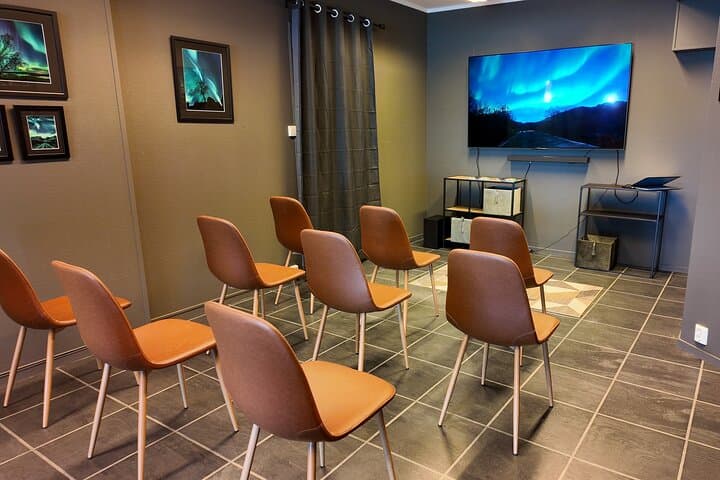
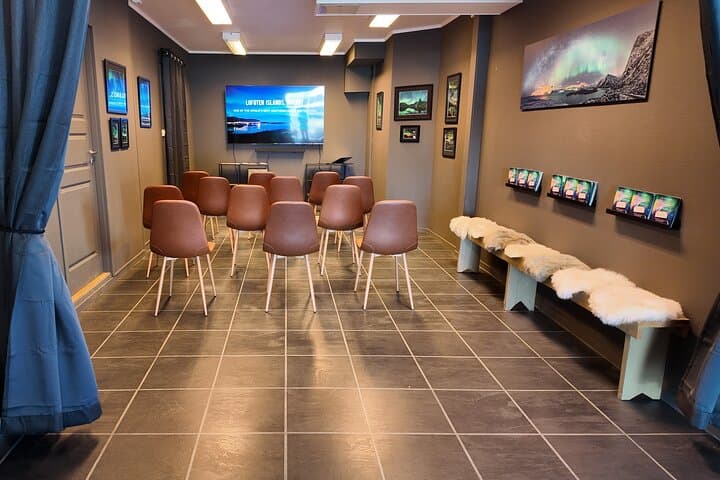
You step in from cold air and salty fjord breath to a compact lecture space where maps, a 30-minute talk by astrophysicist Pål Brekke, and a guide’s calm expertise orient you to the aurora as if reading the sky’s mood.
Verified experiences and guided adventures in the surrounding area.
Operated by Lofoten Lights · Svolvær, Nordland
A low, glass-fronted room in Svolvær hums with quiet anticipation as the Arctic night pools beyond the windows.
You step in from cold air and salty fjord breath to a compact lecture space where maps, a 30-minute talk by astrophysicist Pål Brekke, and a guide’s calm expertise orient you to the aurora as if reading the sky’s mood.
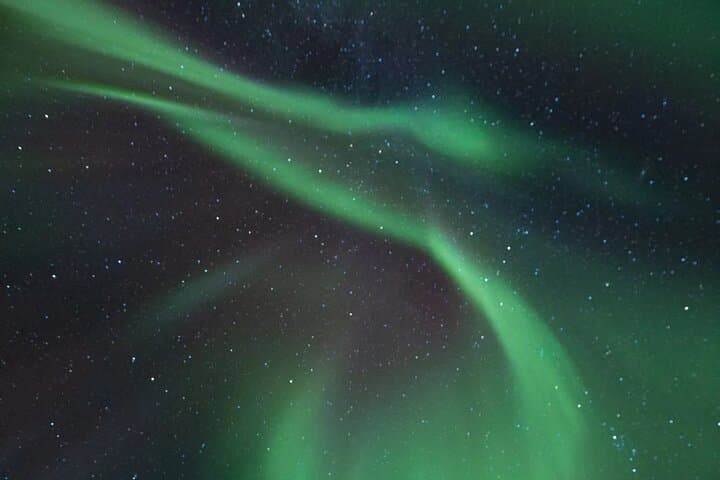
Lofoten’s islands sit on fractured bedrock and ocean currents that shape dramatic weather; the same geography that fed Viking livelihoods now frames the northern lights. The Centre unpacks the science—solar wind, magnetosphere, charged particles—then threads in local folktales about dancing lights and sea-ward omens, grounding spectacle in culture.
Expect a practical, small-group format: a crisp video, Q&A with a guide, photo composition and camera settings, and a take-home aurora map showing low-light horizons around Svolvær.
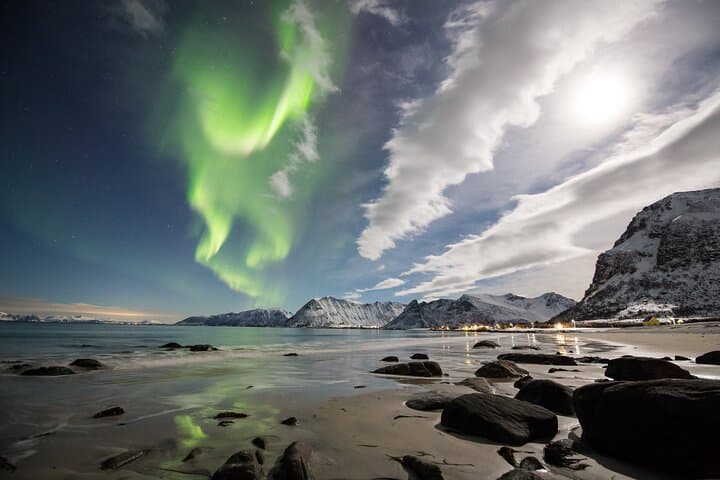
Transitioning to the field, the guide outlines how to choose lookout points—island shorelines, fjord mouths, and small beaches where dark skies open—and how topography and cloud cover change your chances.
Practical guidance is front and center: arrive warmed, bring a tripod, know basic manual-camera settings (ISO, exposure length, aperture), and plan transit back to lodging because roads can frost over.
This visit is less about guaranteed sightings and more about becoming a knowledgeable observer—learning when the sky will dance, where to stand, and how to record it. It’s compact, repeatable, and ideal for travelers who want to turn awe into confident, informed viewing and better night photography.
easy.
2 hours.
Suitable for all fitness levels—mostly seated/standing indoors with optional short outdoor walks
No—visibility depends on solar activity and cloud cover; the Centre provides maps, timing tips, and viewing strategies to maximize your chances.
No—guides explain camera settings for beginners and provide photo tips for smartphones and DSLRs alike.
Yes—the content is accessible to older children; small groups and a short video keep engagement high for families.
Book in advance—groups are limited to 12; full refund available if you cancel at least 24 hours before the session.
Lofoten’s fishing economy and Viking-era settlements shaped local culture; aurora lore appears in regional myths connecting the lights to sea and sky.
Light-pollution awareness is growing—stick to marked access points, avoid driving onto tundra, and respect private land to protect fragile arctic vegetation.
Lofoten Lights operates guided outdoor trips and adventures with an emphasis on safety, stewardship, and memorable experiences.
A low, glass-fronted room in Svolvær hums with quiet anticipation as the Arctic night pools beyond the windows.
You step in from cold air and salty fjord breath to a compact lecture space where maps, a 30-minute talk by astrophysicist Pål Brekke, and a guide’s calm expertise orient you to the aurora as if reading the sky’s mood.
A low, glass-fronted room in Svolvær hums with quiet anticipation as the Arctic night pools beyond the windows.
You step in from cold air and salty fjord breath to a compact lecture space where maps, a 30-minute talk by astrophysicist Pål Brekke, and a guide’s calm expertise orient you to the aurora as if reading the sky’s mood.
Lofoten’s islands sit on fractured bedrock and ocean currents that shape dramatic weather; the same geography that fed Viking livelihoods now frames the northern lights. The Centre unpacks the science—solar wind, magnetosphere, charged particles—then threads in local folktales about dancing lights and sea-ward omens, grounding spectacle in culture.
Expect a practical, small-group format: a crisp video, Q&A with a guide, photo composition and camera settings, and a take-home aurora map showing low-light horizons around Svolvær.
Transitioning to the field, the guide outlines how to choose lookout points—island shorelines, fjord mouths, and small beaches where dark skies open—and how topography and cloud cover change your chances.
Practical guidance is front and center: arrive warmed, bring a tripod, know basic manual-camera settings (ISO, exposure length, aperture), and plan transit back to lodging because roads can frost over.
This visit is less about guaranteed sightings and more about becoming a knowledgeable observer—learning when the sky will dance, where to stand, and how to record it. It’s compact, repeatable, and ideal for travelers who want to turn awe into confident, informed viewing and better night photography.