THE ADVENTURE COLLECTIVE® · Independent discovery and booking for outdoor travel

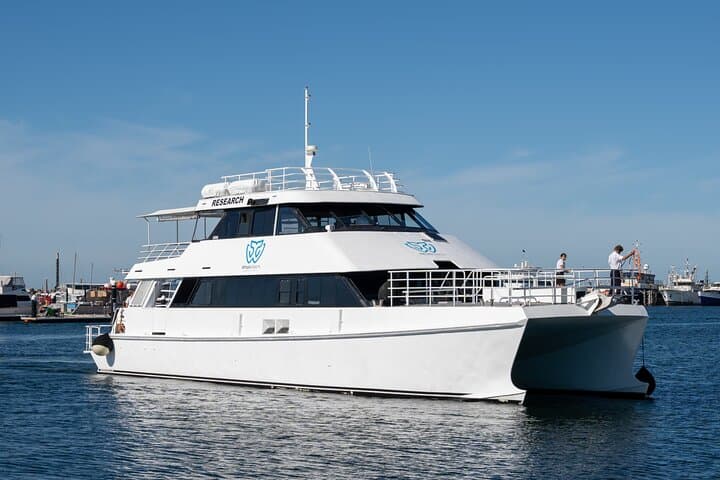
Board a 2-hour, expert-led cruise from Augusta Boat Harbour to watch migrating Humpback and Southern Right whales. Expect live educational commentary, guaranteed sightings, and close coastal views around Cape Leeuwin.
Board a 2-hour, expert-led cruise from Augusta Boat Harbour to watch migrating Humpback and Southern Right whales. Expect live educational commentary, guaranteed sightings, and close coastal views around Cape Leeuwin.
The boat slips from Augusta Boat Harbour and the coastline opens like a live map—rocky headlands, surf-battered reefs and the Cape Leeuwin Lighthouse receding astern. Salt spray sharpens the air; you’ll hear the guide’s voice weave science into the swell as dorsal fins and blowholes punctuate the ocean’s flat blue.
Verified experiences and guided adventures in the surrounding area.
Operated by Whale Watch Western Australia · Augusta, Western Australia
The boat slips from Augusta Boat Harbour and the coastline opens like a live map—rocky headlands, surf-battered reefs and the Cape Leeuwin Lighthouse receding astern. Salt spray sharpens the air; you’ll hear the guide’s voice weave science into the swell as dorsal fins and blowholes punctuate the ocean’s flat blue.
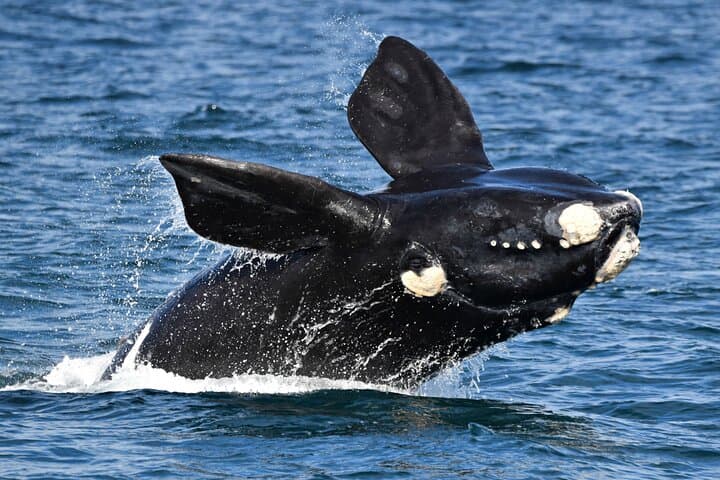
This stretch of the southern coast is a corridor for one of the planet’s longest migrations. Humpbacks move north and back to Antarctic feeding grounds, while Southern Right whales come close to shore to calve and nurse. The geology here—ancient granite outcrops meeting the Southern Ocean—creates predictable upwellings that attract food and, therefore, whales. The lighthouse at Cape Leeuwin, built in the 1890s, marks a maritime history of navigation and whale sightings that long predates modern tours.
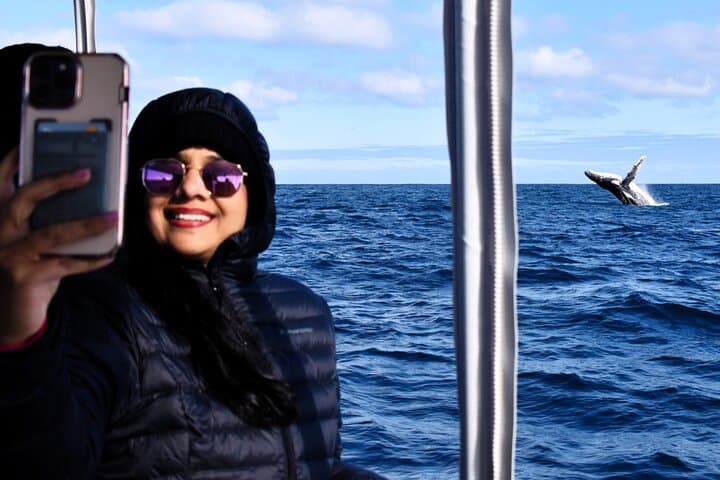
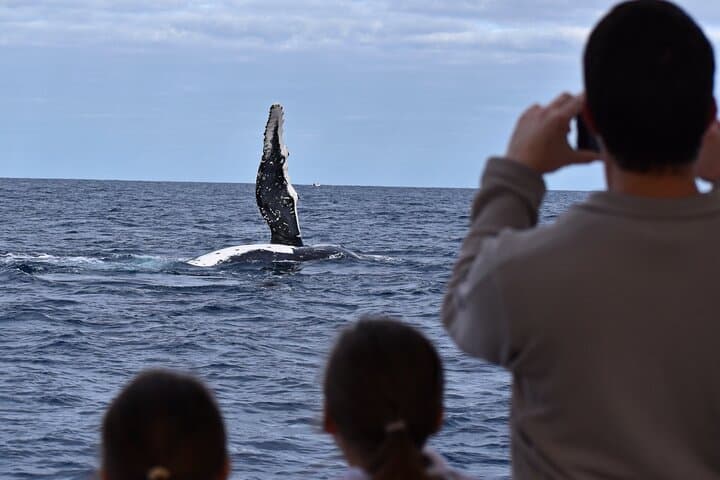
Expect a 2-hour cruise with live commentary from cetacean behavioral experts, and a family-run approach that prioritizes safety and minimum disturbance. Photography opportunities are frequent but fleeting: fast lenses and steady feet help. Mornings tend to be calmer; sea state and weather determine visibility.
Practical guidance: dress in windproof layers and bring binoculars and a waterproof cover for electronics. If you’re prone to motion sickness, take preventative medicine before boarding. Listen to briefings on safe viewing distances and follow crew instructions—these tours operate under strict wildlife codes to protect the whales.
Whether you’re after a close breach or a distant tail slap, the cruise is a compact, educational encounter that connects you directly to one of Australia’s great marine migrations.
easy.
2 hours.
Minimal fitness required; participants should be able to board the vessel and stand for viewing periods.
The tour offers a 100% Lifetime Sighting Guarantee: if whales are not seen on your booked cruise you can return for a free trip under the operator’s terms.
Yes; the cruise is family-friendly, but children should be supervised and wear appropriate life jackets as instructed by crew.
Operators follow marine mammal guidelines and maintain respectful viewing distances—approaches are controlled to avoid stress or disturbance.
Morning departures are generally calmer and offer steadier seas and light, improving the chance to spot active behaviors.
This coast has long been part of Indigenous and European marine routes; the Cape Leeuwin Lighthouse, built in the late 19th century, marks a historical navigation point near rich whale habitat.
Operators adhere to local marine mammal protection codes and minimize vessel disturbance; visitors are asked to follow crew guidance to reduce stress on whales and avoid habitat damage.
Whale Watch Western Australia operates guided outdoor trips and adventures with an emphasis on safety, stewardship, and memorable experiences.
The boat slips from Augusta Boat Harbour and the coastline opens like a live map—rocky headlands, surf-battered reefs and the Cape Leeuwin Lighthouse receding astern. Salt spray sharpens the air; you’ll hear the guide’s voice weave science into the swell as dorsal fins and blowholes punctuate the ocean’s flat blue.
The boat slips from Augusta Boat Harbour and the coastline opens like a live map—rocky headlands, surf-battered reefs and the Cape Leeuwin Lighthouse receding astern. Salt spray sharpens the air; you’ll hear the guide’s voice weave science into the swell as dorsal fins and blowholes punctuate the ocean’s flat blue.
This stretch of the southern coast is a corridor for one of the planet’s longest migrations. Humpbacks move north and back to Antarctic feeding grounds, while Southern Right whales come close to shore to calve and nurse. The geology here—ancient granite outcrops meeting the Southern Ocean—creates predictable upwellings that attract food and, therefore, whales. The lighthouse at Cape Leeuwin, built in the 1890s, marks a maritime history of navigation and whale sightings that long predates modern tours.
Expect a 2-hour cruise with live commentary from cetacean behavioral experts, and a family-run approach that prioritizes safety and minimum disturbance. Photography opportunities are frequent but fleeting: fast lenses and steady feet help. Mornings tend to be calmer; sea state and weather determine visibility.
Practical guidance: dress in windproof layers and bring binoculars and a waterproof cover for electronics. If you’re prone to motion sickness, take preventative medicine before boarding. Listen to briefings on safe viewing distances and follow crew instructions—these tours operate under strict wildlife codes to protect the whales.
Whether you’re after a close breach or a distant tail slap, the cruise is a compact, educational encounter that connects you directly to one of Australia’s great marine migrations.