THE ADVENTURE COLLECTIVE® · Independent discovery and booking for outdoor travel

Board a seasoned charter from Augusta for a 2.5-hour eco cruise that targets migrating humpback and Southern Right whales. Expect informed commentary, hot tea, and a free return if no whales are sighted.
Board a seasoned charter from Augusta for a 2.5-hour eco cruise that targets migrating humpback and Southern Right whales. Expect informed commentary, hot tea, and a free return if no whales are sighted.
The boat slips from Augusta's harbour and the ocean opens like a page. Salt wind presses against the hull and the crew's binoculars sweep the horizon; a spout punctures the grey, a dark back arches, and the water seems to dare you to look away.
Verified experiences and guided adventures in the surrounding area.
Operated by Naturaliste Charters · Augusta, Western Australia
The boat slips from Augusta's harbour and the ocean opens like a page. Salt wind presses against the hull and the crew's binoculars sweep the horizon; a spout punctures the grey, a dark back arches, and the water seems to dare you to look away.
This stretch of coastline sits at the southern tip of Western Australia where the Leeuwin-Naturaliste ridge meets the Southern Ocean. The continental shelf drops close to shore, funneling nutrient-rich waters and drawing migrating humpbacks and Southern Right Whales between May and November. The region sits on the traditional lands of the Noongar people, and mariners since the 19th century have long read these currents for fishing, navigation and seasonal movement.
On board, trained marine-science guides explain whale behavior, seabird ID and the local geology—ancient limestone cliffs, offshore reefs and kelp beds that anchor the food web. The whales show personality: juveniles gambol and breach, adults glide with deliberate power; dolphins often ride the bow and fur seals bob like buoys.
Practically, tours run about 2.5 hours and include morning or afternoon tea. Expect exposed decks, sea spray and changing weather; layers and a windproof are essential. Photography benefits from a mid-range zoom and a steady hand; binoculars increase sighting windows. Operators offer accessibility for guests with reduced mobility and a no-sighting rebook guarantee within a year. Timings favor lower swell mornings, while winter months (June–August) bring peak sightings out of Augusta. For travelers wanting up-close marine life with an informed crew, this route delivers reliable encounters with a pragmatic, conservation-minded approach.
easy.
2–3 hours.
Suitable for most fitness levels; requires ability to step on/off a small vessel and stand on deck for portions of the trip.
No sightings cannot be guaranteed, but the operator offers a free return trip within one year if no whales are seen on your tour (subject to availability and booking rules).
Yes; infants can travel but must sit on an adult’s lap. Children must be supervised and the vessel has limited seating for families.
Augusta's peak season runs May–August, with Dunsborough operating August–November for the later migration stages.
The tours note wheelchair accessibility, but advanced notice is recommended so staff can assist with boarding and seating arrangements.
The coastline has long been navigated by locals and later European mariners; Augusta sits near Cape Leeuwin where 19th‑century shipping routes met seasonal marine migrations.
Operators follow a code of conduct to minimize disturbance, and sightings help fund monitoring; practice leave-no-trace for shore visits and respect wildlife approach distances.
Naturaliste Charters operates guided outdoor trips and adventures with an emphasis on safety, stewardship, and memorable experiences.
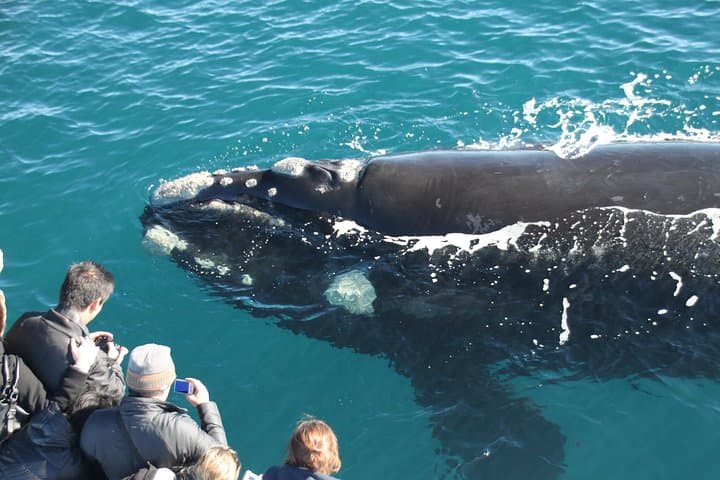


The boat slips from Augusta's harbour and the ocean opens like a page. Salt wind presses against the hull and the crew's binoculars sweep the horizon; a spout punctures the grey, a dark back arches, and the water seems to dare you to look away.
The boat slips from Augusta's harbour and the ocean opens like a page. Salt wind presses against the hull and the crew's binoculars sweep the horizon; a spout punctures the grey, a dark back arches, and the water seems to dare you to look away.
This stretch of coastline sits at the southern tip of Western Australia where the Leeuwin-Naturaliste ridge meets the Southern Ocean. The continental shelf drops close to shore, funneling nutrient-rich waters and drawing migrating humpbacks and Southern Right Whales between May and November. The region sits on the traditional lands of the Noongar people, and mariners since the 19th century have long read these currents for fishing, navigation and seasonal movement.
On board, trained marine-science guides explain whale behavior, seabird ID and the local geology—ancient limestone cliffs, offshore reefs and kelp beds that anchor the food web. The whales show personality: juveniles gambol and breach, adults glide with deliberate power; dolphins often ride the bow and fur seals bob like buoys.
Practically, tours run about 2.5 hours and include morning or afternoon tea. Expect exposed decks, sea spray and changing weather; layers and a windproof are essential. Photography benefits from a mid-range zoom and a steady hand; binoculars increase sighting windows. Operators offer accessibility for guests with reduced mobility and a no-sighting rebook guarantee within a year. Timings favor lower swell mornings, while winter months (June–August) bring peak sightings out of Augusta. For travelers wanting up-close marine life with an informed crew, this route delivers reliable encounters with a pragmatic, conservation-minded approach.