THE ADVENTURE COLLECTIVE® · Independent discovery and booking for outdoor travel

A playful, app-led walking tour that threads through Ghent’s medieval center—60–120 minutes of humor, history, and close-up views of the Ghent Altarpiece and riverside squares. Practical for first-time visitors who want a local’s stories without a long guided hike.
A playful, app-led walking tour that threads through Ghent’s medieval center—60–120 minutes of humor, history, and close-up views of the Ghent Altarpiece and riverside squares. Practical for first-time visitors who want a local’s stories without a long guided hike.
The morning air over Ghent feels like a page turning—cold river mist lifting off the Leie as the city’s towers reveal themselves one by one.
Verified experiences and guided adventures in the surrounding area.
Operated by AudioGuide Ghent · Ghent, East Flanders
The morning air over Ghent feels like a page turning—cold river mist lifting off the Leie as the city’s towers reveal themselves one by one.
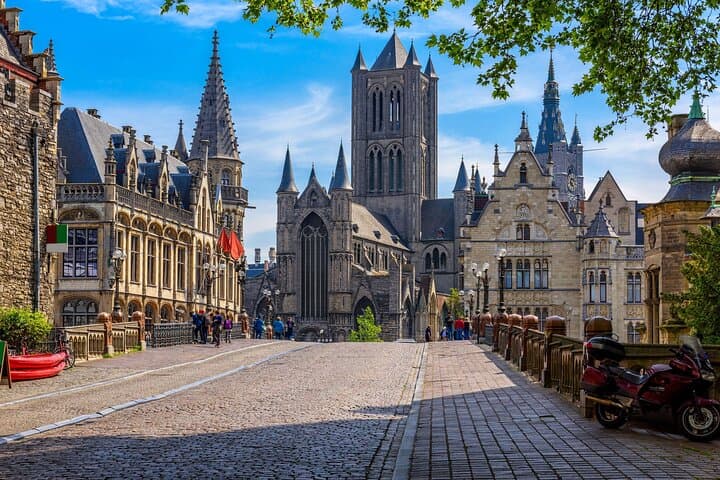
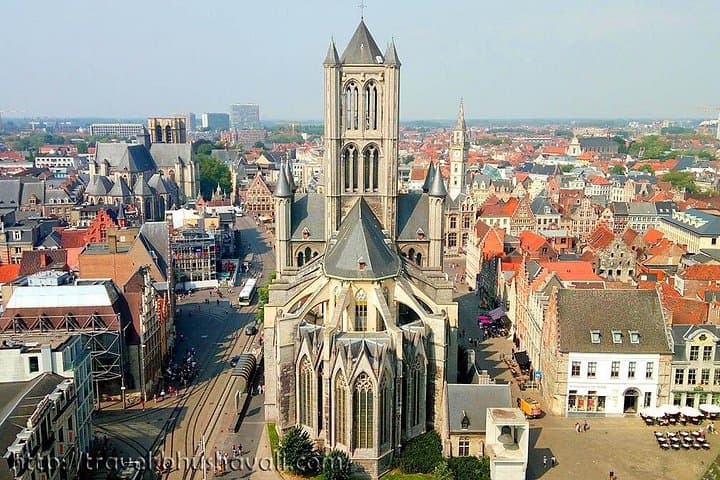
This audio-guided walk moves through narrow cobbled lanes, across the Korenmarkt by the river, and up to Saint Bavo’s Cathedral, where the Ghent Altarpiece holds court. The guide’s tone is playful and local: jokes land between facts about merchants, guilds, and the daring architects who shaped façades that still interrupt your step.
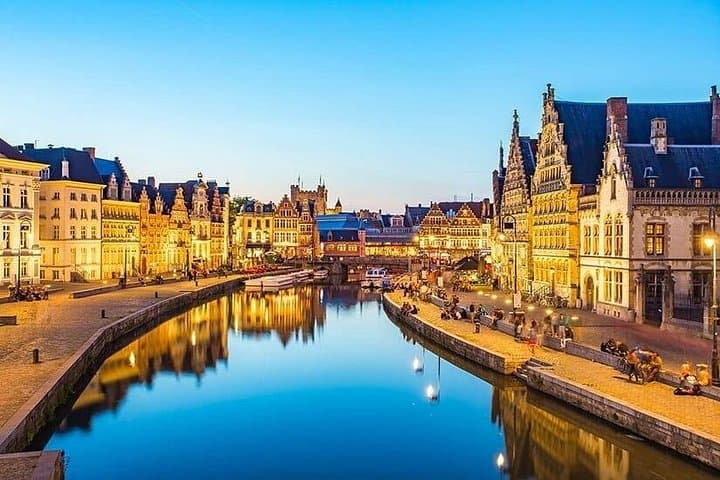
Ghent grew wealthy on textile trade and river traffic; its streets show layered history—Roman roads smoothed by medieval carts, later canals that breathed industry into the city. Geology here is flat and riverine, the Leie daring you to follow its bends; the built environment is the primary feature. Culture is civic and convivial: café terraces, market squares, and impromptu music that crops up near bridges.
Practical side: the tour runs 60–120 minutes and is designed for on-foot exploration with an app-based guide (tour fee €6 payable in-app). Expect urban terrain—cobbles, occasional steps, and pedestrian-only streets. Bring headphones, a charged phone, and a small change for museum entry if you detour to Saint Bavo’s. Aim for morning or late afternoon light to avoid peak crowds and to see façades glow.
Accessibility is high: routes are stroller- and wheelchair-friendly on main sections, though some historic alleys can be uneven. The experience pairs local color with clear logistics—an approachable option for curious walkers who want history without a lecture.
easy.
1–2 hours.
Accessible to most fitness levels; requires sustained walking on flat but uneven urban surfaces.
The audio experience is designed for 60–120 minutes depending on pauses and detours; the recommended route fits comfortably into 90 minutes.
The booking fee reserves your spot; the €6 tour cost is paid through the tour app when you activate the guide.
Main sections are wheelchair- and stroller-accessible, though some narrow historic alleys and steps may need to be avoided—an alternative route through nearby streets maintains the core experience.
Yes—the app offers commentary in English; check the app for additional language options before you start.
Ghent rose as a medieval textile powerhouse; landmarks like the Belfry and Saint Bavo’s Cathedral reflect centuries of civic pride and contested power.
City preservation focuses on maintaining historic façades and limiting traffic in the medieval center; visitors are encouraged to stick to paths, minimize noise, and use official waste bins.
AudioGuide Ghent operates guided outdoor trips and adventures with an emphasis on safety, stewardship, and memorable experiences.
The morning air over Ghent feels like a page turning—cold river mist lifting off the Leie as the city’s towers reveal themselves one by one.
The morning air over Ghent feels like a page turning—cold river mist lifting off the Leie as the city’s towers reveal themselves one by one.
This audio-guided walk moves through narrow cobbled lanes, across the Korenmarkt by the river, and up to Saint Bavo’s Cathedral, where the Ghent Altarpiece holds court. The guide’s tone is playful and local: jokes land between facts about merchants, guilds, and the daring architects who shaped façades that still interrupt your step.
Ghent grew wealthy on textile trade and river traffic; its streets show layered history—Roman roads smoothed by medieval carts, later canals that breathed industry into the city. Geology here is flat and riverine, the Leie daring you to follow its bends; the built environment is the primary feature. Culture is civic and convivial: café terraces, market squares, and impromptu music that crops up near bridges.
Practical side: the tour runs 60–120 minutes and is designed for on-foot exploration with an app-based guide (tour fee €6 payable in-app). Expect urban terrain—cobbles, occasional steps, and pedestrian-only streets. Bring headphones, a charged phone, and a small change for museum entry if you detour to Saint Bavo’s. Aim for morning or late afternoon light to avoid peak crowds and to see façades glow.
Accessibility is high: routes are stroller- and wheelchair-friendly on main sections, though some historic alleys can be uneven. The experience pairs local color with clear logistics—an approachable option for curious walkers who want history without a lecture.