THE ADVENTURE COLLECTIVE® · Independent discovery and booking for outdoor travel

Explore Ajanta at your own pace with an audio-guided walking tour on the HopOn app. Learn the stories behind the rock-cut caves, frescoes and sculptures while navigating stone steps and riverside cliffs.
Explore Ajanta at your own pace with an audio-guided walking tour on the HopOn app. Learn the stories behind the rock-cut caves, frescoes and sculptures while navigating stone steps and riverside cliffs.
You step off the shaded walkway and the cliff opens like a carved jaw—stone chambers cut into a horseshoe of basalt, frescoed walls watching the valley below. A phone in your hand, the HopOn app in your pocket, and you move at your own rhythm through cave numbers stamped with centuries: 1, 2, 4, 6–7, 9–12, 16–17, 19–21, 24 and 26.
Verified experiences and guided adventures in the surrounding area.
Operated by HopOn India · Ajanta (Aurangabad), Maharashtra
You step off the shaded walkway and the cliff opens like a carved jaw—stone chambers cut into a horseshoe of basalt, frescoed walls watching the valley below. A phone in your hand, the HopOn app in your pocket, and you move at your own rhythm through cave numbers stamped with centuries: 1, 2, 4, 6–7, 9–12, 16–17, 19–21, 24 and 26.
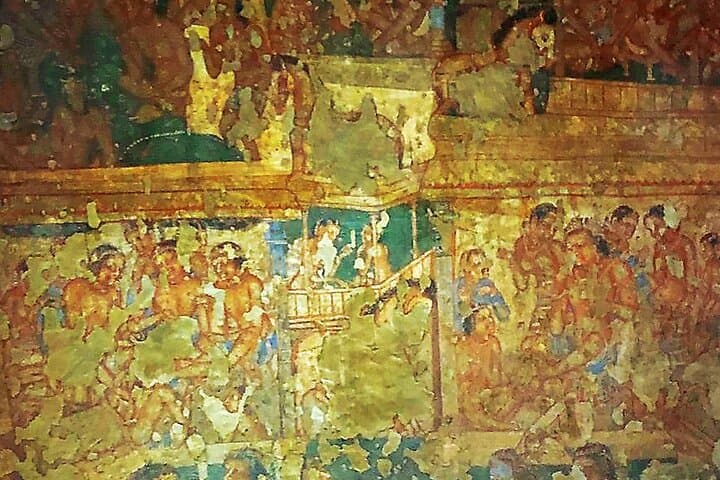
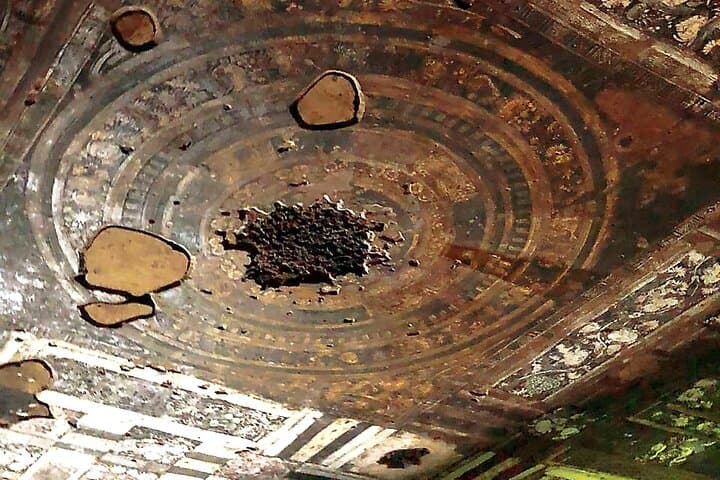
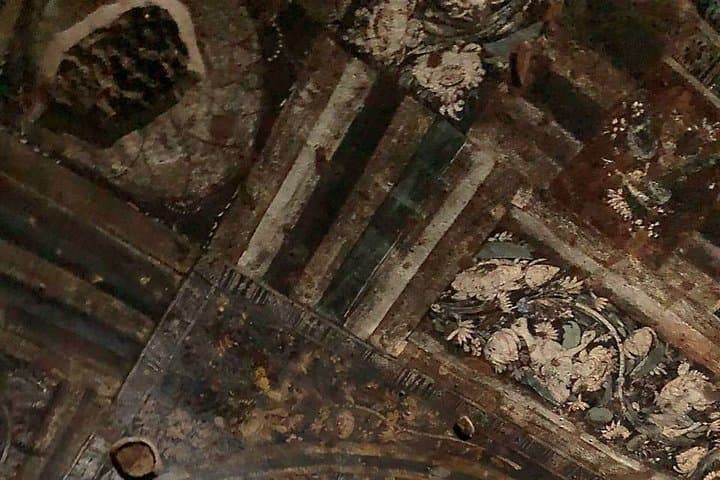
Ajanta’s painted panels and iconographic reliefs date from roughly the 2nd century BCE to the 7th century AD; the complex is a UNESCO World Heritage Site and a rare survival of early Buddhist monastic life in stone. Geologically, the caves are carved into Deccan basalt; the gorge of the Waghora River shapes the walk, offering benches of shade where the cliff leans over the watercourse.
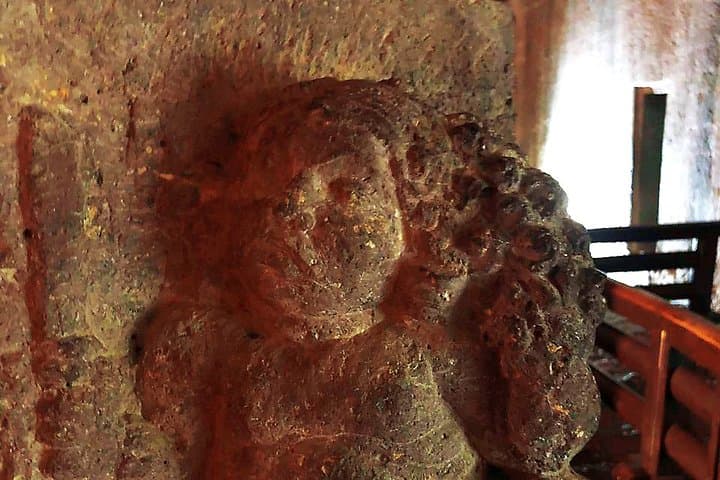
Culturally, expect stories of patronage, pilgrimage routes, and workshops of sculptors and painters whose pigments have survived a millennium. The audio guide points out key murals, sculptural programs and compositional details that are easy to miss in a crowd.
Practically: allow 2–2.5 hours for the route (roughly 1.5 km of walking with several stair sections and a cumulative climb of about 50–100 m). Flash photography is prohibited on frescoes; bring water, wear grippy shoes for uneven stone and stairs, and download the HopOn content before you arrive—mobile reception can be patchy. Start early to avoid heat and peak crowds; the caves reward a slow pace and repeated listen-throughs of the guided commentary.
easy.
2–2.5 hours.
Suitable for most people with basic mobility; expect multiple short stair climbs and uneven stone surfaces
Yes—park admission and archaeological site tickets are required and are not included with the HopOn audio guide; purchase at the gate or official channels.
No—the HopOn experience provides commentary and routing only; it does not cover site admission or transport.
Photography is generally allowed but flash and close contact with painted surfaces are prohibited to protect fragile pigments—follow posted site rules.
The caves involve staircases and narrow passages; accessibility is limited—contact site authorities for specific access options.
Ajanta was a major Buddhist monastic complex from the early centuries BCE through the 7th century AD; its mural cycle and rock-cut chaitya halls reflect long-distance patronage and ritual practice.
The site is managed with strict photography and touch restrictions to protect fragile pigments; visitors should stick to marked paths and follow site staff guidance to reduce wear.
HopOn India operates guided outdoor trips and adventures with an emphasis on safety, stewardship, and memorable experiences.
You step off the shaded walkway and the cliff opens like a carved jaw—stone chambers cut into a horseshoe of basalt, frescoed walls watching the valley below. A phone in your hand, the HopOn app in your pocket, and you move at your own rhythm through cave numbers stamped with centuries: 1, 2, 4, 6–7, 9–12, 16–17, 19–21, 24 and 26.
You step off the shaded walkway and the cliff opens like a carved jaw—stone chambers cut into a horseshoe of basalt, frescoed walls watching the valley below. A phone in your hand, the HopOn app in your pocket, and you move at your own rhythm through cave numbers stamped with centuries: 1, 2, 4, 6–7, 9–12, 16–17, 19–21, 24 and 26.
Ajanta’s painted panels and iconographic reliefs date from roughly the 2nd century BCE to the 7th century AD; the complex is a UNESCO World Heritage Site and a rare survival of early Buddhist monastic life in stone. Geologically, the caves are carved into Deccan basalt; the gorge of the Waghora River shapes the walk, offering benches of shade where the cliff leans over the watercourse.
Culturally, expect stories of patronage, pilgrimage routes, and workshops of sculptors and painters whose pigments have survived a millennium. The audio guide points out key murals, sculptural programs and compositional details that are easy to miss in a crowd.
Practically: allow 2–2.5 hours for the route (roughly 1.5 km of walking with several stair sections and a cumulative climb of about 50–100 m). Flash photography is prohibited on frescoes; bring water, wear grippy shoes for uneven stone and stairs, and download the HopOn content before you arrive—mobile reception can be patchy. Start early to avoid heat and peak crowds; the caves reward a slow pace and repeated listen-throughs of the guided commentary.