THE ADVENTURE COLLECTIVE® · Independent discovery and booking for outdoor travel

Two intensive days of scenario-driven training in the Hauraki Gulf teach you how to prevent and manage diving emergencies. Ideal for advanced divers with the required certifications and logged dives, this course sharpens rescue, first-aid and search techniques.
Two intensive days of scenario-driven training in the Hauraki Gulf teach you how to prevent and manage diving emergencies. Ideal for advanced divers with the required certifications and logged dives, this course sharpens rescue, first-aid and search techniques.
You step off the dive boat into chop that tastes of salt and iron, the Hauraki Gulf's currents nudging you toward purpose. Over two compact days instructors push you through scenario-driven drills: buddy rescues, in-water artificial respiration, search patterns and casualty management. The sea feels like a test—currents daring you to stay calm while you learn to keep others safe.
Verified experiences and guided adventures in the surrounding area.
Operated by New Zealand Diving Ltd · Auckland, Auckland
You step off the dive boat into chop that tastes of salt and iron, the Hauraki Gulf's currents nudging you toward purpose. Over two compact days instructors push you through scenario-driven drills: buddy rescues, in-water artificial respiration, search patterns and casualty management. The sea feels like a test—currents daring you to stay calm while you learn to keep others safe.
The Gulf around Auckland has long supported commercial and recreational diving; volcanic seafloor features and kelp beds create variable visibility and practical training environments. The course builds on modern dive safety practices and first-aid protocols adopted globally, while local instructors bring experience with regional conditions—tidal swings, boat traffic, and the seasonal appearance of pāua and kahawai.
Expect classroom briefings, pool refreshers (or sheltered bay sessions), and open-water scenarios. You’ll refine prevention strategies, stress recognition, rescue towing, oxygen administration review and hyperbaric injury awareness. Administrative realities matter: prove your advanced dive certification (or equivalent), CPR/First Aid/O2 certification, and at least 40 logged dives; complete a pre-dive medical declaration and avoid flying within 48 hours after dives.
Practically, come rested, hydrated and prepared to be physically active for two full days. Gear hire is typically included, but bringing your own mask, computer and logbook speeds comfort and assessment. Footwear for wet decks, a warm change of clothes, and a waterproof case for certification documents make transitions smoother.
By the end you’ll have practiced timed responses under pressure and leave with the judgment and skills to prevent and manage common diving incidents—skills that transform recreational experience into responsible leadership underwater.
challenging.
2 days.
Moderate to high fitness—comfortable swimming, ability to perform repetitive physically demanding rescues and surface swims.
You must hold Advanced Open Water (or equivalent), have at least 40 logged dives, and provide current CPR/First Aid/Oxygen provider certification to enroll.
Minimum age is 18 (15 with parental consent in some cases). All participants complete a health questionnaire; certain medical conditions may require doctor clearance.
Full gear hire is typically included, but bringing your own mask and computer improves comfort and assessment accuracy—confirm sizes with the operator in advance.
Do not fly within 48 hours of diving as recommended; follow instructor guidance based on the number and depth of your dives.
Auckland’s maritime culture grew around the Hauraki Gulf and Waitematā Harbour; local dive operations evolved alongside commercial fishing and shellfish harvesting traditions.
Respect marine reserves and take-home boat trash; many operators work with local guidelines to avoid disturbing kelp beds and shellfish beds during training.
New Zealand Diving Ltd operates guided outdoor trips and adventures with an emphasis on safety, stewardship, and memorable experiences.
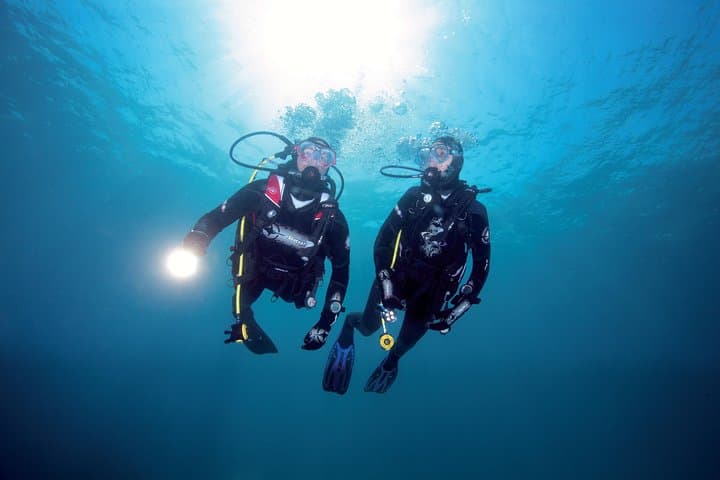
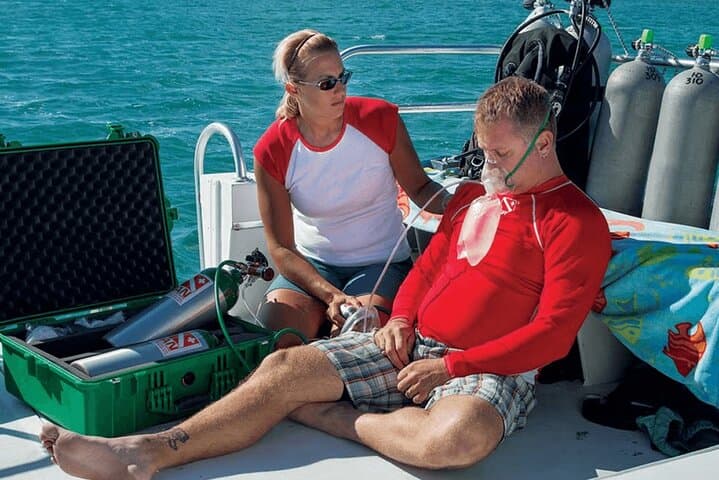
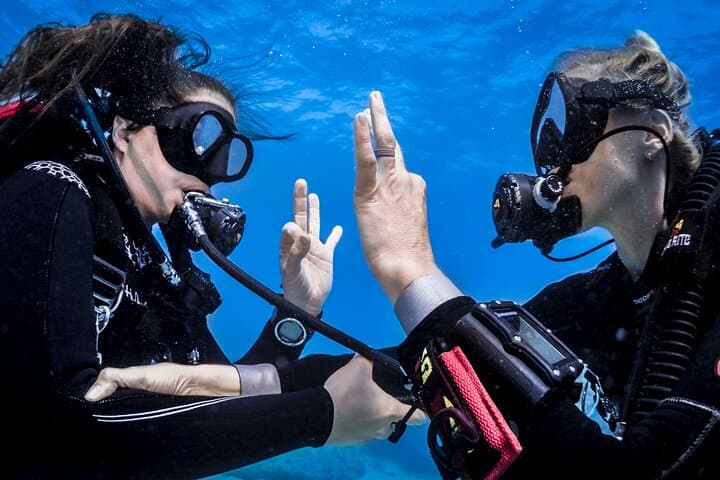
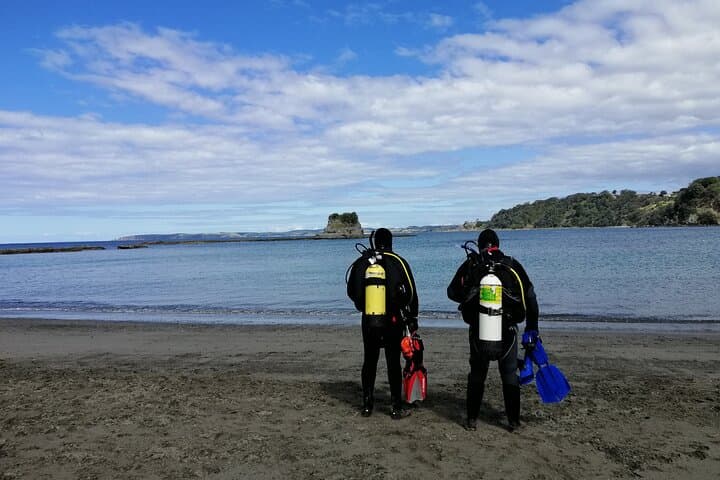
You step off the dive boat into chop that tastes of salt and iron, the Hauraki Gulf's currents nudging you toward purpose. Over two compact days instructors push you through scenario-driven drills: buddy rescues, in-water artificial respiration, search patterns and casualty management. The sea feels like a test—currents daring you to stay calm while you learn to keep others safe.
You step off the dive boat into chop that tastes of salt and iron, the Hauraki Gulf's currents nudging you toward purpose. Over two compact days instructors push you through scenario-driven drills: buddy rescues, in-water artificial respiration, search patterns and casualty management. The sea feels like a test—currents daring you to stay calm while you learn to keep others safe.
The Gulf around Auckland has long supported commercial and recreational diving; volcanic seafloor features and kelp beds create variable visibility and practical training environments. The course builds on modern dive safety practices and first-aid protocols adopted globally, while local instructors bring experience with regional conditions—tidal swings, boat traffic, and the seasonal appearance of pāua and kahawai.
Expect classroom briefings, pool refreshers (or sheltered bay sessions), and open-water scenarios. You’ll refine prevention strategies, stress recognition, rescue towing, oxygen administration review and hyperbaric injury awareness. Administrative realities matter: prove your advanced dive certification (or equivalent), CPR/First Aid/O2 certification, and at least 40 logged dives; complete a pre-dive medical declaration and avoid flying within 48 hours after dives.
Practically, come rested, hydrated and prepared to be physically active for two full days. Gear hire is typically included, but bringing your own mask, computer and logbook speeds comfort and assessment. Footwear for wet decks, a warm change of clothes, and a waterproof case for certification documents make transitions smoother.
By the end you’ll have practiced timed responses under pressure and leave with the judgment and skills to prevent and manage common diving incidents—skills that transform recreational experience into responsible leadership underwater.