THE ADVENTURE COLLECTIVE® · Independent discovery and booking for outdoor travel

Learn to plan and breathe enriched air safely in Auckland’s Hauraki Gulf. This compact TDI/SSI/SDI Nitrox course covers analysis, labeling and oxygen limits so you can extend bottom times with confidence.
Learn to plan and breathe enriched air safely in Auckland’s Hauraki Gulf. This compact TDI/SSI/SDI Nitrox course covers analysis, labeling and oxygen limits so you can extend bottom times with confidence.
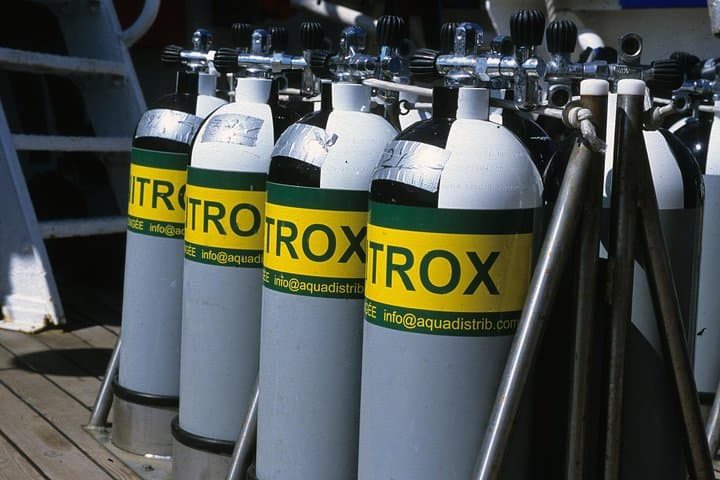
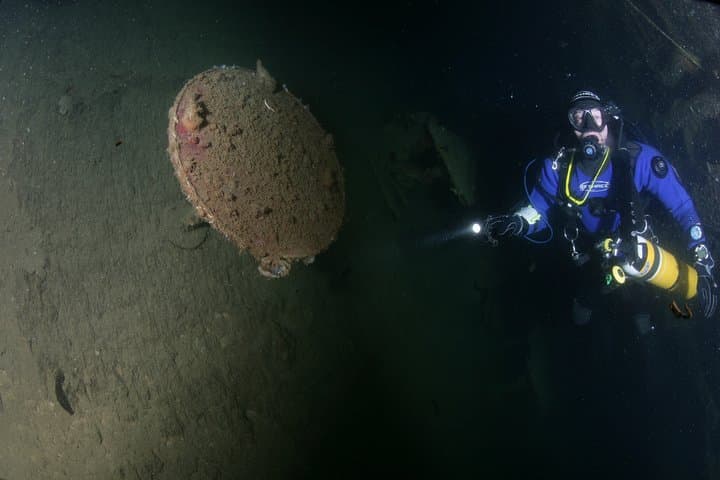
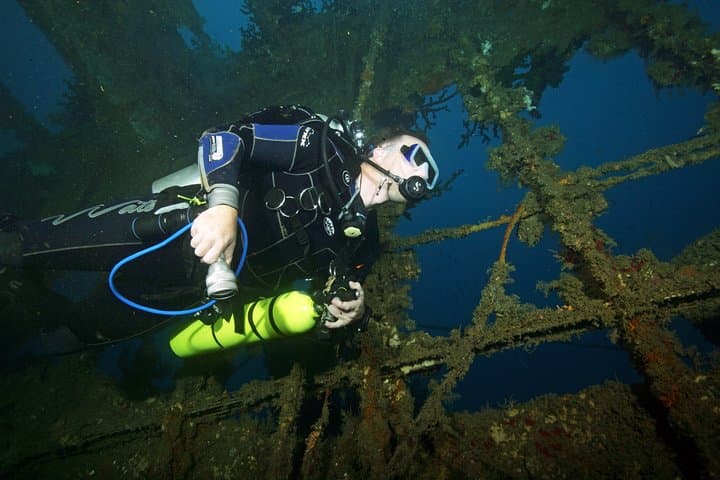
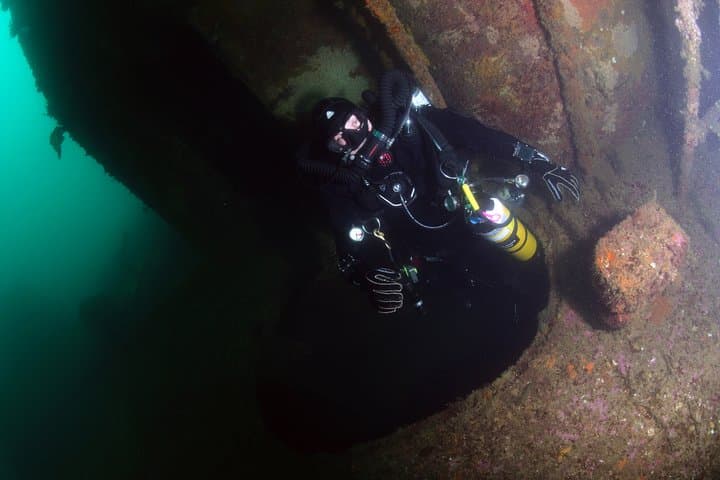
The boat rocks gently in the Hauraki Gulf while an instructor thumbs a gas analyzer and explains oxygen percentages; the city skyline sits low behind, Rangitoto’s volcanic cone a dark silhouette. In three focused hours divers convert classroom knowledge into routine—labeling cylinders, analyzing mixes, and adjusting dive plans for EANx 22–40. The course is compact but precise: expect a short theory refresher, hands-on analyzer work, and guided briefings before any applied dives.
Verified experiences and guided adventures in the surrounding area.
Operated by New Zealand Diving Ltd · Auckland, Auckland
The boat rocks gently in the Hauraki Gulf while an instructor thumbs a gas analyzer and explains oxygen percentages; the city skyline sits low behind, Rangitoto’s volcanic cone a dark silhouette. In three focused hours divers convert classroom knowledge into routine—labeling cylinders, analyzing mixes, and adjusting dive plans for EANx 22–40. The course is compact but precise: expect a short theory refresher, hands-on analyzer work, and guided briefings before any applied dives.
Auckland’s waters have been a navigation corridor for Māori waka for centuries and later for European sailors; the underlying geology—recent volcanic islands and a mixed sediment seabed—creates varied dive habitats from kelp gardens to rocky bommies. Local culture values marine protection: nearby Goat Island is New Zealand’s first marine reserve and a living classroom for what healthy reefs look like.
Practically, the nitrox course teaches oxygen risks and benefits, cylinder labeling, equipment considerations, and how to analyze blends safely. Participants must show open water certification, be at least 15, and complete a health questionnaire. Courses commonly include online e-learning (with optional classroom review) and full gear hire; groups are small (up to eight). Avoid diving within 24–48 hours of flying and disclose medical conditions—some cardiovascular or respiratory illnesses may preclude participation. Bring your certification card, personal mask if preferred, and a dive computer compatible with nitrox. For divers who want longer no-decompression times and more flexible profiles around Auckland’s kelp forests and reefs, this course turns enriched air from a concept into reliable practice.
moderate.
3 hours.
Moderate fitness; able to carry gear and perform surface and shallow-water tasks.
Yes—participants must hold at least an Open Water (or equivalent) certification to take the nitrox course and join any certified dives.
The course covers enriched air nitrox from EANx 22 to EANx 40, including benefits, hazards, cylinder labeling and analyzing procedures.
Follow the standard no-fly guidance: avoid flying for at least 24–48 hours after diving; consult your instructor for specific profiles and staggered dives.
Many operators include full gear hire and nitrox fills; check your booking details but personal masks and computers are recommended for comfort and consistency.
The Hauraki Gulf has long been navigated by Māori and later European sailors; Rangitoto is a young volcanic island formed about 600 years ago that influences local currents and seabed structure.
New Zealand emphasizes marine protection—respect no-take zones, avoid contact with reef life, and rinse gear to prevent cross-site transfer of invasive species.
New Zealand Diving Ltd operates guided outdoor trips and adventures with an emphasis on safety, stewardship, and memorable experiences.
The boat rocks gently in the Hauraki Gulf while an instructor thumbs a gas analyzer and explains oxygen percentages; the city skyline sits low behind, Rangitoto’s volcanic cone a dark silhouette. In three focused hours divers convert classroom knowledge into routine—labeling cylinders, analyzing mixes, and adjusting dive plans for EANx 22–40. The course is compact but precise: expect a short theory refresher, hands-on analyzer work, and guided briefings before any applied dives.
The boat rocks gently in the Hauraki Gulf while an instructor thumbs a gas analyzer and explains oxygen percentages; the city skyline sits low behind, Rangitoto’s volcanic cone a dark silhouette. In three focused hours divers convert classroom knowledge into routine—labeling cylinders, analyzing mixes, and adjusting dive plans for EANx 22–40. The course is compact but precise: expect a short theory refresher, hands-on analyzer work, and guided briefings before any applied dives.
Auckland’s waters have been a navigation corridor for Māori waka for centuries and later for European sailors; the underlying geology—recent volcanic islands and a mixed sediment seabed—creates varied dive habitats from kelp gardens to rocky bommies. Local culture values marine protection: nearby Goat Island is New Zealand’s first marine reserve and a living classroom for what healthy reefs look like.
Practically, the nitrox course teaches oxygen risks and benefits, cylinder labeling, equipment considerations, and how to analyze blends safely. Participants must show open water certification, be at least 15, and complete a health questionnaire. Courses commonly include online e-learning (with optional classroom review) and full gear hire; groups are small (up to eight). Avoid diving within 24–48 hours of flying and disclose medical conditions—some cardiovascular or respiratory illnesses may preclude participation. Bring your certification card, personal mask if preferred, and a dive computer compatible with nitrox. For divers who want longer no-decompression times and more flexible profiles around Auckland’s kelp forests and reefs, this course turns enriched air from a concept into reliable practice.