THE ADVENTURE COLLECTIVE® · Independent discovery and booking for outdoor travel

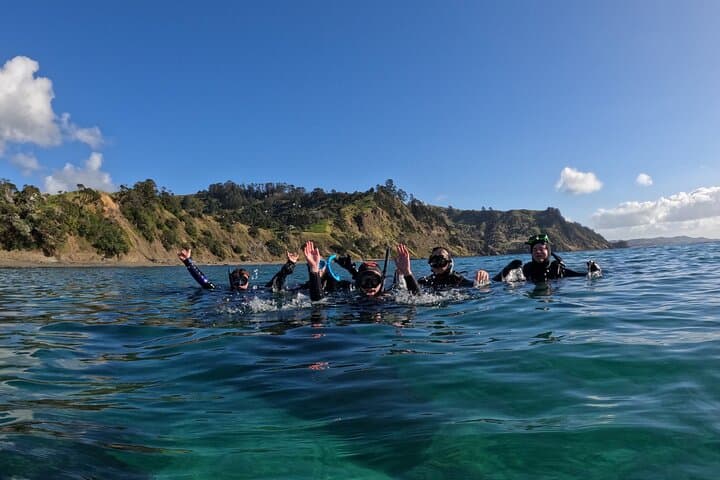
Refresh your dive skills with a focused 4-hour course at Goat Island Marine Reserve. Review theory, practice confined-water drills and complete a guided open-water dive with a small instructor-led group.
Refresh your dive skills with a focused 4-hour course at Goat Island Marine Reserve. Review theory, practice confined-water drills and complete a guided open-water dive with a small instructor-led group.
Salt, kelp and the metallic tang of the ocean meet you at the start line: a small dive shop in Leigh where instructors assemble regulators and hand-check gauges.
Verified experiences and guided adventures in the surrounding area.
Operated by New Zealand Diving Ltd · Leigh, Auckland
Salt, kelp and the metallic tang of the ocean meet you at the start line: a small dive shop in Leigh where instructors assemble regulators and hand-check gauges.
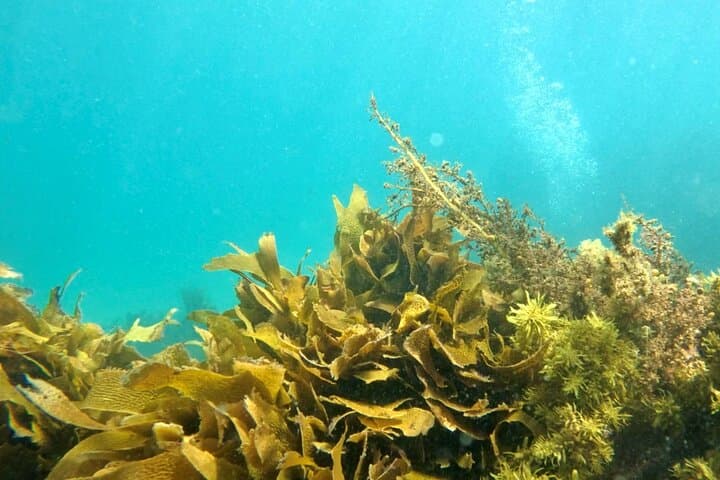
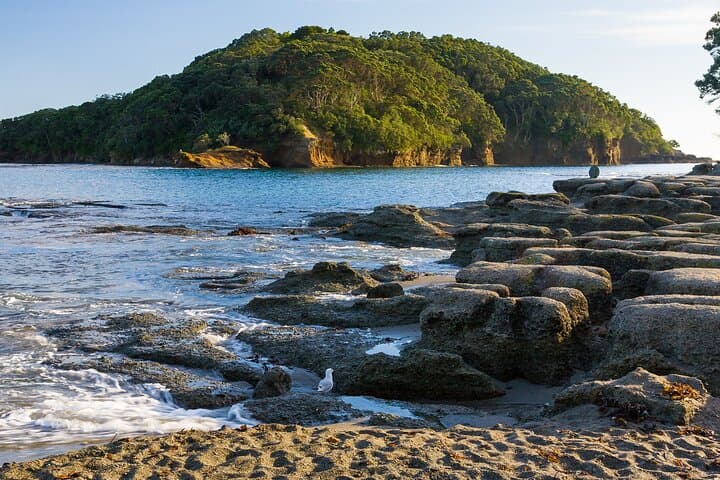
On this four-hour refresher you re-run the building blocks of safe diving — kit setup, buoyancy and emergency drills — then take those practiced movements into the clear shallows of a local marine reserve. Cape Rodney–Okakari Point (Goat Island) is one of New Zealand’s earliest marine reserves, protected since 1975; its rocky reefs and kelp beds ride atop uplifted greywacke and older volcanic flows, creating ledges and swim-throughs that attract crayfish, sea anemones and schools of blue cod.
Local dive culture is hands-on and practical: small groups, experienced guides, and an emphasis on dive planning and conservative execution. The geology produces sudden shifts in relief underwater, while currents and surge can test trim and air consumption — good reasons to refresh.
Practicalities are straightforward. The course typically starts at 8:30am, runs about four hours, and caps at eight people. Evidence of an Open Water certification and a completed medical questionnaire are required; some medical histories need a doctor’s sign-off. Equipment use is included, but personal items like a mask that fits and a logbook help. Expect temperate water (colder outside summer), variable visibility, and an emphasis on conservative ascent rates. If you haven’t dived in months, this course removes the guesswork so you return to the water confident and competent.
moderate.
4 hours.
Moderate fitness: you should be comfortable swimming and carrying basic dive gear for short distances and managing repeated breaths under exertion.
Yes — evidence of an Open Water or equivalent certification is required before participating.
Basic scuba equipment use is included, but many divers bring personal masks and computers for fit and familiarity.
Temperatures vary seasonally (roughly 12–20°C); visibility is typically good in summer and more variable in shoulder seasons depending on swell and runoff.
You must complete a medical questionnaire; certain conditions (eg asthma, heart issues) may require doctor clearance and pregnancy is not recommended for diving.
Cape Rodney–Okakari Point was set aside as New Zealand’s first marine reserve in 1975, protecting its reefs and fisheries to allow ecosystems to recover.
The reserve relies on responsible diving practices and local stewardship; avoid touching or removing marine life and follow the instructor’s guidance to minimize impact.
New Zealand Diving Ltd operates guided outdoor trips and adventures with an emphasis on safety, stewardship, and memorable experiences.
Salt, kelp and the metallic tang of the ocean meet you at the start line: a small dive shop in Leigh where instructors assemble regulators and hand-check gauges.
Salt, kelp and the metallic tang of the ocean meet you at the start line: a small dive shop in Leigh where instructors assemble regulators and hand-check gauges.
On this four-hour refresher you re-run the building blocks of safe diving — kit setup, buoyancy and emergency drills — then take those practiced movements into the clear shallows of a local marine reserve. Cape Rodney–Okakari Point (Goat Island) is one of New Zealand’s earliest marine reserves, protected since 1975; its rocky reefs and kelp beds ride atop uplifted greywacke and older volcanic flows, creating ledges and swim-throughs that attract crayfish, sea anemones and schools of blue cod.
Local dive culture is hands-on and practical: small groups, experienced guides, and an emphasis on dive planning and conservative execution. The geology produces sudden shifts in relief underwater, while currents and surge can test trim and air consumption — good reasons to refresh.
Practicalities are straightforward. The course typically starts at 8:30am, runs about four hours, and caps at eight people. Evidence of an Open Water certification and a completed medical questionnaire are required; some medical histories need a doctor’s sign-off. Equipment use is included, but personal items like a mask that fits and a logbook help. Expect temperate water (colder outside summer), variable visibility, and an emphasis on conservative ascent rates. If you haven’t dived in months, this course removes the guesswork so you return to the water confident and competent.