THE ADVENTURE COLLECTIVE® · Independent discovery and booking for outdoor travel

Jump on a Honda ATV and cut across the Sacred Valley to the concentric terraces of Moray and the glittering salt pans of Maras. This half-day ride mixes off-road thrills with high-Andean culture and landscapes.
Jump on a Honda ATV and cut across the Sacred Valley to the concentric terraces of Moray and the glittering salt pans of Maras. This half-day ride mixes off-road thrills with high-Andean culture and landscapes.
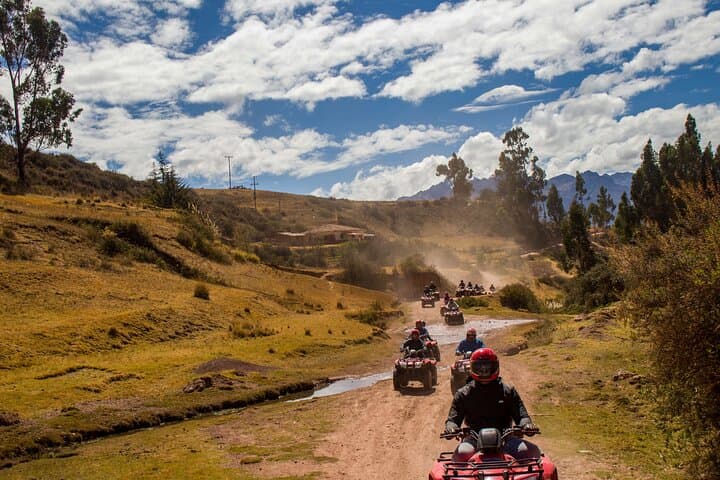
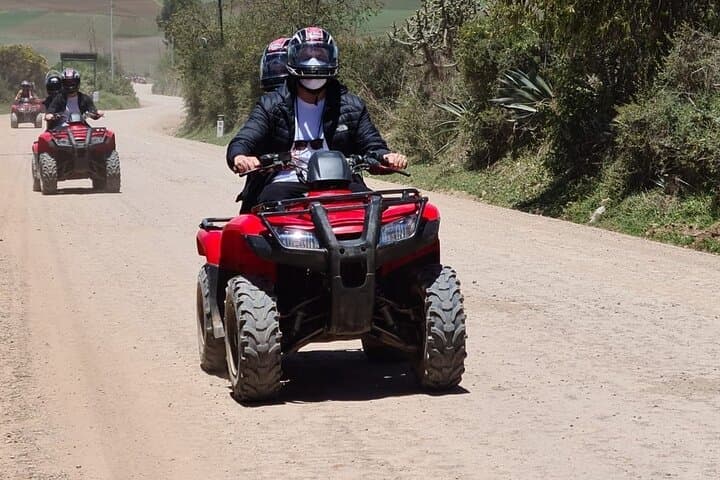
You feel the engine before the valley opens: a compact convoy of Honda ATVs kicking up red dust as the road slides from Cusco’s stone streets into high Andean fields.
Verified experiences and guided adventures in the surrounding area.
Operated by Quad Bike Cusco · Maras, Cusco Region
You feel the engine before the valley opens: a compact convoy of Honda ATVs kicking up red dust as the road slides from Cusco’s stone streets into high Andean fields.
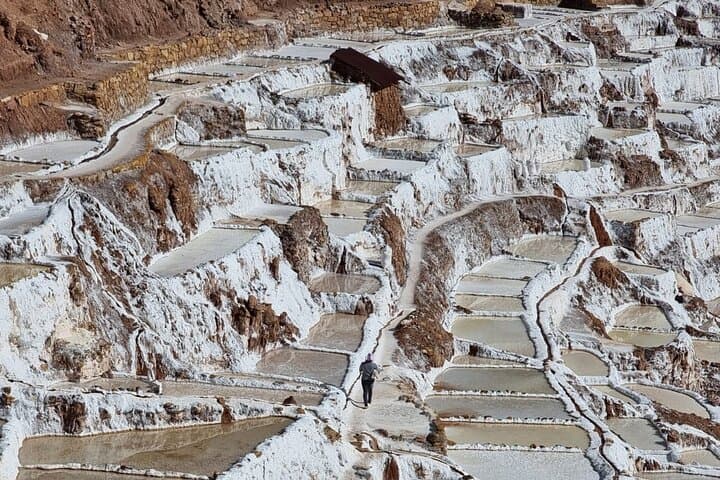
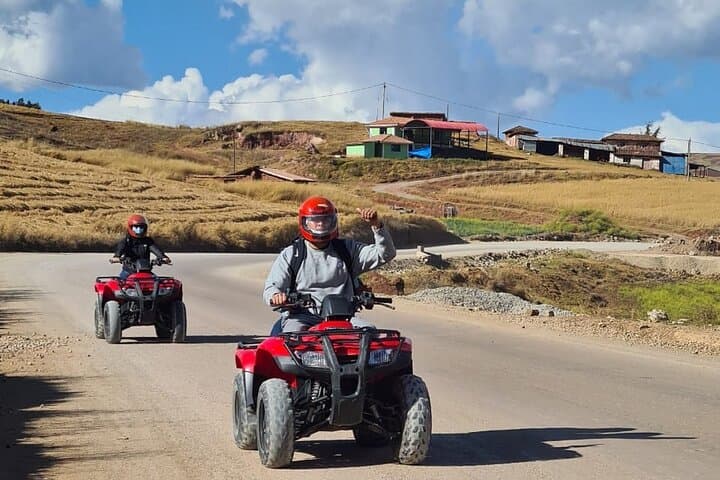
Within an hour you’re at the ATV base in Cruzpata, helmets snug, gloves on—then it’s throttle and torque across rutted farm tracks that thread between terraced plots and scrubby hills. The ride alternates between playful single-track and open stretches that expose long views of the Sacred Valley; the salt pans at Maras gleam like a patchwork of mirrors, while Moray’s concentric terraces drop into the earth like a stepped amphitheater.
Moray was an Inca agricultural laboratory—rings cut into volcanic earth to create distinct microclimates. Maras’ salt pans, fed by a natural saline spring, have been harvested since pre-Inca times and remain a living industry. Local Quechua communities still tend fields and sell produce at roadside stands; respectful curiosity goes a long way.
Practicalities are straightforward: the tour runs about six hours including roundtrip transport to Cusco, and the sites sit high—roughly 3,300–3,500 m—so expect thinner air and stronger sun. The off-road sections are dusty and uneven; closed-toe shoes, protective eyewear, and layered clothing are wise. Entrance fees to Moray and Maras are typically not included, and guides will cue you on where to park the ATVs and walk safely around fragile terraces and salt pans.
This is an accessible, tactile way to see two of the Sacred Valley’s most distinctive landscapes: fast enough for fun, slow enough to absorb how geology, water, and centuries of human work shape the land.
moderate.
5–6 hours.
Light to moderate fitness—able to mount and operate an ATV for several hours; basic balance and mobility required.
No—basic instruction is provided at the base and the route is designed for first-time riders, though comfort with throttle and braking helps.
No, entrance fees are typically not included; bring small cash to pay local site admissions.
Yes—roundtrip tourist transport from hotels in Cusco is included; private apartments are given a nearby meeting point.
Children can participate if accompanied by an adult; operators may impose age or height limits for safe ATV operation.
Moray’s concentric terraces were used by the Incas as experimental microclimates for crop selection; Maras’ salt pans have been harvested continuously since pre-Inca times.
Stick to marked paths and avoid walking on fragile terrace edges; the salt pans rely on a delicate water supply that benefits from low-impact visitation.
Quad Bike Cusco operates guided outdoor trips and adventures with an emphasis on safety, stewardship, and memorable experiences.
You feel the engine before the valley opens: a compact convoy of Honda ATVs kicking up red dust as the road slides from Cusco’s stone streets into high Andean fields.
You feel the engine before the valley opens: a compact convoy of Honda ATVs kicking up red dust as the road slides from Cusco’s stone streets into high Andean fields.
Within an hour you’re at the ATV base in Cruzpata, helmets snug, gloves on—then it’s throttle and torque across rutted farm tracks that thread between terraced plots and scrubby hills. The ride alternates between playful single-track and open stretches that expose long views of the Sacred Valley; the salt pans at Maras gleam like a patchwork of mirrors, while Moray’s concentric terraces drop into the earth like a stepped amphitheater.
Moray was an Inca agricultural laboratory—rings cut into volcanic earth to create distinct microclimates. Maras’ salt pans, fed by a natural saline spring, have been harvested since pre-Inca times and remain a living industry. Local Quechua communities still tend fields and sell produce at roadside stands; respectful curiosity goes a long way.
Practicalities are straightforward: the tour runs about six hours including roundtrip transport to Cusco, and the sites sit high—roughly 3,300–3,500 m—so expect thinner air and stronger sun. The off-road sections are dusty and uneven; closed-toe shoes, protective eyewear, and layered clothing are wise. Entrance fees to Moray and Maras are typically not included, and guides will cue you on where to park the ATVs and walk safely around fragile terraces and salt pans.
This is an accessible, tactile way to see two of the Sacred Valley’s most distinctive landscapes: fast enough for fun, slow enough to absorb how geology, water, and centuries of human work shape the land.