THE ADVENTURE COLLECTIVE® · Independent discovery and booking for outdoor travel

A highland ATV loop from Cusco that pairs the engineered terraces of Moray with the glittering salt pans of Maras. Expect dirt-track thrills, short hikes, and sharp Andean light over ancient agricultural experiments.
A highland ATV loop from Cusco that pairs the engineered terraces of Moray with the glittering salt pans of Maras. Expect dirt-track thrills, short hikes, and sharp Andean light over ancient agricultural experiments.
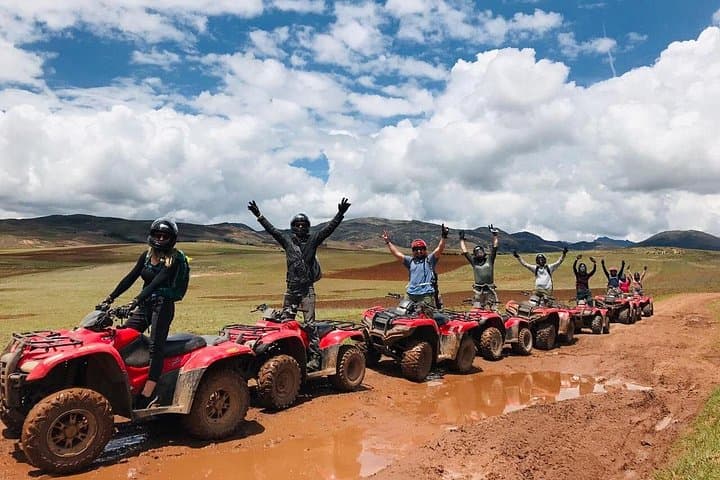
You leave Cusco before the sun warms the red-tiled streets and climb into a world of wind-scoured ridges and squat adobe communities. The ATVs hum beneath you as the high peaks—known locally as the Apus—watch like slow-moving gods, pushing the thin air and urging you forward.
Verified experiences and guided adventures in the surrounding area.
Operated by Top Andean Travel · Cusco, Cusco
You leave Cusco before the sun warms the red-tiled streets and climb into a world of wind-scoured ridges and squat adobe communities. The ATVs hum beneath you as the high peaks—known locally as the Apus—watch like slow-moving gods, pushing the thin air and urging you forward.
The route threads between high-altitude farmland and geological scars: Moray’s concentric terraces read like an inverted amphitheater, carved into layered volcanic soils where the Incas engineered microclimates to experiment with crops. Down-valley, the Salineras de Maras glitter—thousands of shallow evaporation ponds fed by a salty spring that local families have managed since pre-Inca times.
Expect a mix of motorized track and short walks. The ride is 80% ATV across dirt roads and rutted trails, 20% on foot at viewpoints and archaeological zones. You’ll encounter Andean culture firsthand: communal salt-pans tended by families, llamas grazing roadside, and guides who translate the logic of terraces into practical engineering. Geology and human ingenuity collide here—highland hydrology and sun-driven evaporation produce the white mosaics at Maras, while Moray’s bowls reveal deliberate soil and temperature planning.
Practical edge: altitude matters—drink water, move slowly on steep sections, and listen to the safety briefing. Bring layered clothing, closed-toe shoes, sunscreen, and a compact daypack for camera, snacks, and your permit or ticket. Respect cordoned areas and local labor practices at the salt pans. In six hours you’ll get adrenaline, archaeology, and a close-up of living Andean tradition.
moderate.
5–6 hours.
Moderate fitness—comfortable walking, steady balance for ATV handling, and ability to spend several hours at 3,500–4,000 m altitude.
No professional experience required—guides provide an orientation and practice session; riders should be comfortable with basic throttle and braking on uneven terrain.
Yes—tour designates about 20% of time for stops; expect 45–120 minutes at Moray and roughly 60 minutes at the Maras viewpoint and pans.
The route is at high altitude; operators advise hydration and moderate fitness—those with heart or spinal conditions or pregnancy should avoid the trip.
Admission to the archaeological sites is typically not included through some operators—confirm with the vendor and bring local currency for park fees if required.
Moray’s stepped bowls likely served as Inca agricultural laboratories for crop experimentation; Maras salt pans are a pre-Inca and Inca-era communal industry still managed by local families.
These sites are environmentally sensitive—stay on designated paths, avoid collecting salt, and support local vendors to help maintain sustainable community income.
Top Andean Travel operates guided outdoor trips and adventures with an emphasis on safety, stewardship, and memorable experiences.
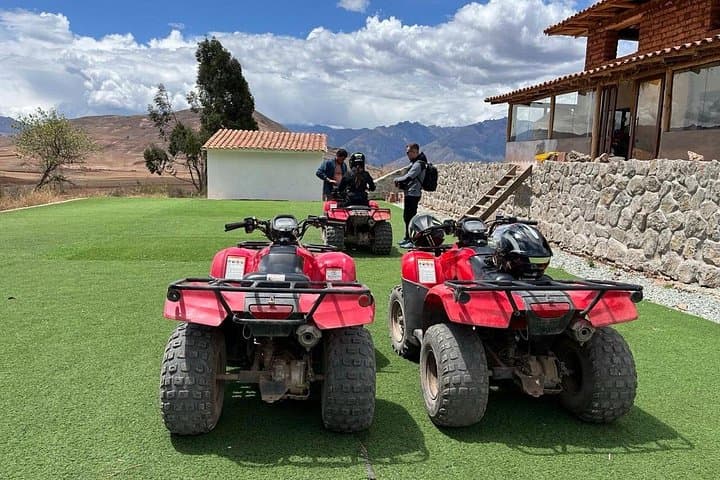
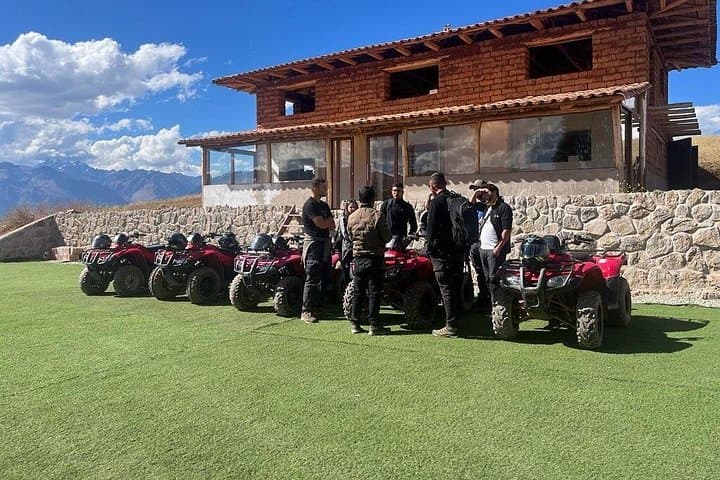
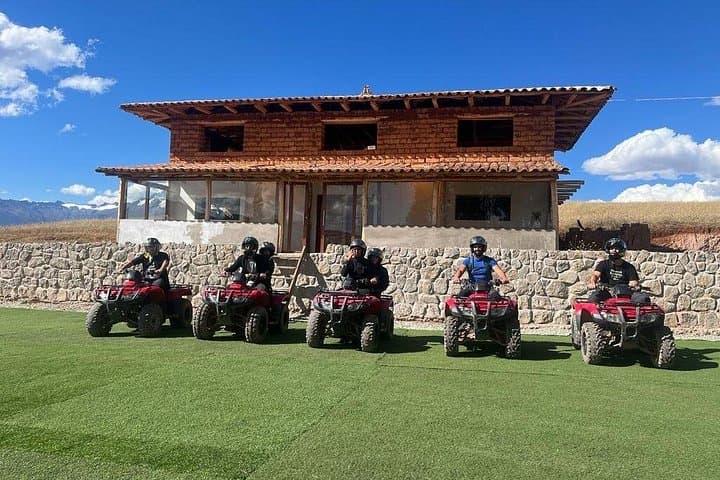
You leave Cusco before the sun warms the red-tiled streets and climb into a world of wind-scoured ridges and squat adobe communities. The ATVs hum beneath you as the high peaks—known locally as the Apus—watch like slow-moving gods, pushing the thin air and urging you forward.
You leave Cusco before the sun warms the red-tiled streets and climb into a world of wind-scoured ridges and squat adobe communities. The ATVs hum beneath you as the high peaks—known locally as the Apus—watch like slow-moving gods, pushing the thin air and urging you forward.
The route threads between high-altitude farmland and geological scars: Moray’s concentric terraces read like an inverted amphitheater, carved into layered volcanic soils where the Incas engineered microclimates to experiment with crops. Down-valley, the Salineras de Maras glitter—thousands of shallow evaporation ponds fed by a salty spring that local families have managed since pre-Inca times.
Expect a mix of motorized track and short walks. The ride is 80% ATV across dirt roads and rutted trails, 20% on foot at viewpoints and archaeological zones. You’ll encounter Andean culture firsthand: communal salt-pans tended by families, llamas grazing roadside, and guides who translate the logic of terraces into practical engineering. Geology and human ingenuity collide here—highland hydrology and sun-driven evaporation produce the white mosaics at Maras, while Moray’s bowls reveal deliberate soil and temperature planning.
Practical edge: altitude matters—drink water, move slowly on steep sections, and listen to the safety briefing. Bring layered clothing, closed-toe shoes, sunscreen, and a compact daypack for camera, snacks, and your permit or ticket. Respect cordoned areas and local labor practices at the salt pans. In six hours you’ll get adrenaline, archaeology, and a close-up of living Andean tradition.