THE ADVENTURE COLLECTIVE® · Independent discovery and booking for outdoor travel

Combine off-road thrills with an up-close exploration of Teotihuacan’s pyramids. This full-day ATV and guided-walk tour reaches hidden residential complexes before a measured visit to the Avenue of the Dead and the Sun and Moon pyramids.
Combine off-road thrills with an up-close exploration of Teotihuacan’s pyramids. This full-day ATV and guided-walk tour reaches hidden residential complexes before a measured visit to the Avenue of the Dead and the Sun and Moon pyramids.
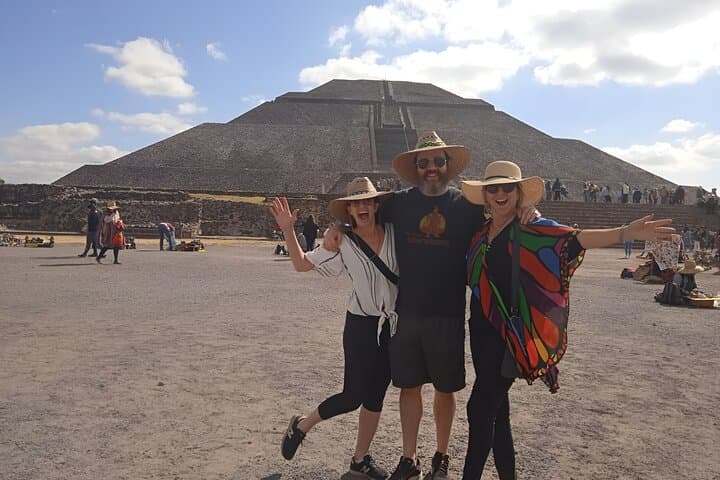
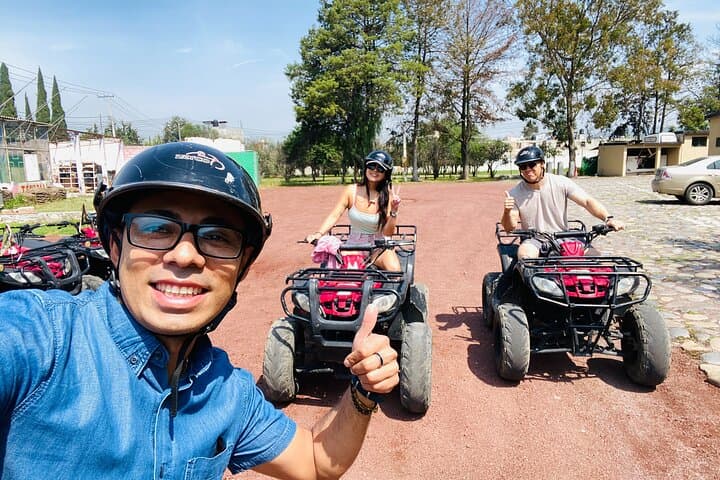
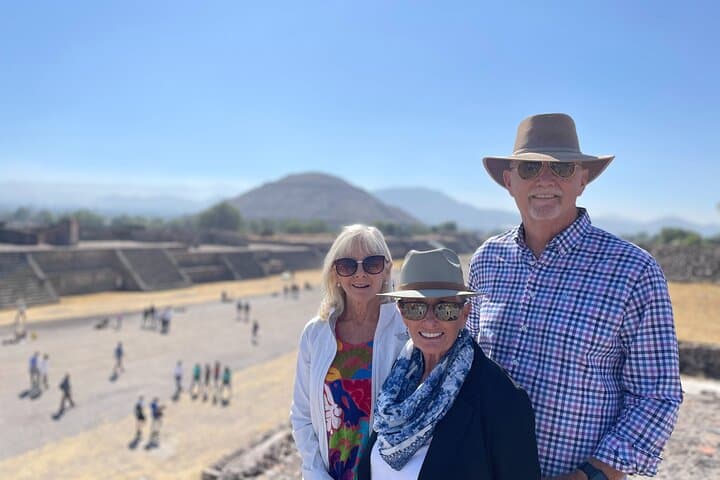
The morning light hits the Pyramid of the Sun and the semi-desert air tastes of dust and warm stone. Riders meet at the transfer vehicle outside Mexico City and cross the high plain; agaves and columnar cacti edge the dirt tracks as ATVs kick up a trail of ochre. The first stretch is about speed and landscape — the machines let travelers reach residential complexes and small caverns that sit beyond the main archaeological boundary — then the pace shifts to walking, as the Avenue of the Dead and the broad faces of the Sun and Moon demand slower steps.
Verified experiences and guided adventures in the surrounding area.
Operated by Vibe Adventures · San Juan Teotihuacán, State of Mexico
The morning light hits the Pyramid of the Sun and the semi-desert air tastes of dust and warm stone. Riders meet at the transfer vehicle outside Mexico City and cross the high plain; agaves and columnar cacti edge the dirt tracks as ATVs kick up a trail of ochre. The first stretch is about speed and landscape — the machines let travelers reach residential complexes and small caverns that sit beyond the main archaeological boundary — then the pace shifts to walking, as the Avenue of the Dead and the broad faces of the Sun and Moon demand slower steps.
Teotihuacan was once the capital of a major Mesoamerican civilization, its pyramids erected around 100–250 CE atop volcanic tuff. Geology here is volcanic highland: compacted ash, pumice, and lava shaped by centuries of erosion. Local culture still threads through the day in food, craftstand flavors, and the careful signage of the archaeological zone. Guides usually combine history with route safety, pointing out carved stones, residential compounds and the Quetzalpapalotl Palace.
Practically, expect a full-day outing (roughly 8–9 hours including transport). Terrain alternates between semi-desert tracks and packed stone in the zone; elevation around 2,300–2,400 m means sun and exertion feel stronger. Bring sun protection, closed-toe shoes, and a light layer for breezy afternoons. Drivers should listen to safety briefings and obey weight/age limits; non-drivers can still enjoy vantage points on foot. Timing your visit for earlier light reduces heat and crowds and leaves energy for the return drive to Mexico City.
moderate.
8–9 hours.
Suitable for people with basic fitness and the ability to ride an ATV or walk up to 2–3 hours with short breaks.
Private tour options usually include pickup; group departures often require meeting at a designated point — confirm with the operator before your date.
Drivers are typically minimum 16 years old; passengers can ride from about 6 years, and maximum passenger weight is commonly around 108 kg (240 lb).
Expect 1–2 hours of walking across packed stone and steps to climb pyramids; the tour mixes riding and guided walking for a balanced day.
Teotihuacan remains open in most conditions, but heavy rain can make dirt tracks slippery; operators may adjust ATV routes for safety.
Teotihuacan grew into a major urban center between roughly 100–700 CE; its monumental avenues and pyramids reflect organized urban planning and ceremonial architecture.
The archaeological zone enforces visitor paths and limits climbing in sensitive areas; minimizing dust on trails and respecting signage helps protect fragile stone and nearby vegetation.
Vibe Adventures operates guided outdoor trips and adventures with an emphasis on safety, stewardship, and memorable experiences.

The morning light hits the Pyramid of the Sun and the semi-desert air tastes of dust and warm stone. Riders meet at the transfer vehicle outside Mexico City and cross the high plain; agaves and columnar cacti edge the dirt tracks as ATVs kick up a trail of ochre. The first stretch is about speed and landscape — the machines let travelers reach residential complexes and small caverns that sit beyond the main archaeological boundary — then the pace shifts to walking, as the Avenue of the Dead and the broad faces of the Sun and Moon demand slower steps.
The morning light hits the Pyramid of the Sun and the semi-desert air tastes of dust and warm stone. Riders meet at the transfer vehicle outside Mexico City and cross the high plain; agaves and columnar cacti edge the dirt tracks as ATVs kick up a trail of ochre. The first stretch is about speed and landscape — the machines let travelers reach residential complexes and small caverns that sit beyond the main archaeological boundary — then the pace shifts to walking, as the Avenue of the Dead and the broad faces of the Sun and Moon demand slower steps.
Teotihuacan was once the capital of a major Mesoamerican civilization, its pyramids erected around 100–250 CE atop volcanic tuff. Geology here is volcanic highland: compacted ash, pumice, and lava shaped by centuries of erosion. Local culture still threads through the day in food, craftstand flavors, and the careful signage of the archaeological zone. Guides usually combine history with route safety, pointing out carved stones, residential compounds and the Quetzalpapalotl Palace.
Practically, expect a full-day outing (roughly 8–9 hours including transport). Terrain alternates between semi-desert tracks and packed stone in the zone; elevation around 2,300–2,400 m means sun and exertion feel stronger. Bring sun protection, closed-toe shoes, and a light layer for breezy afternoons. Drivers should listen to safety briefings and obey weight/age limits; non-drivers can still enjoy vantage points on foot. Timing your visit for earlier light reduces heat and crowds and leaves energy for the return drive to Mexico City.