THE ADVENTURE COLLECTIVE® · Independent discovery and booking for outdoor travel

Take a 5–6 hour ATV ride from Cusco through the Sacred Valley to the Salineras de Maras and the circular terraces of Moray. This quad tour mixes fast dirt-track stretches with photo stops at two of the region’s most intriguing pre‑Inca sites.
Take a 5–6 hour ATV ride from Cusco through the Sacred Valley to the Salineras de Maras and the circular terraces of Moray. This quad tour mixes fast dirt-track stretches with photo stops at two of the region’s most intriguing pre‑Inca sites.
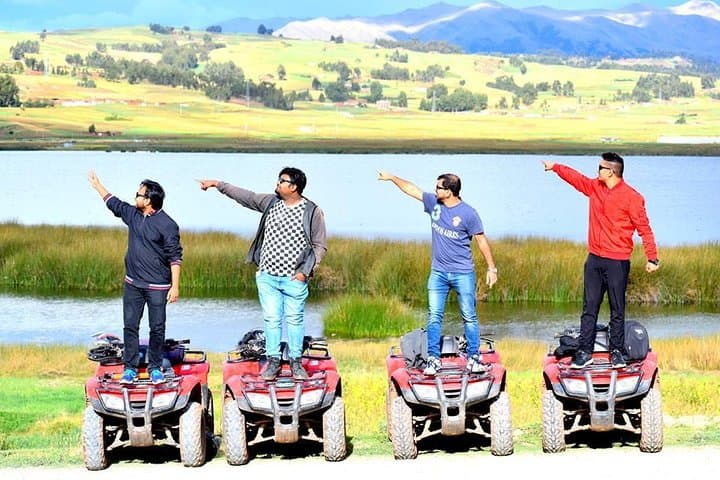
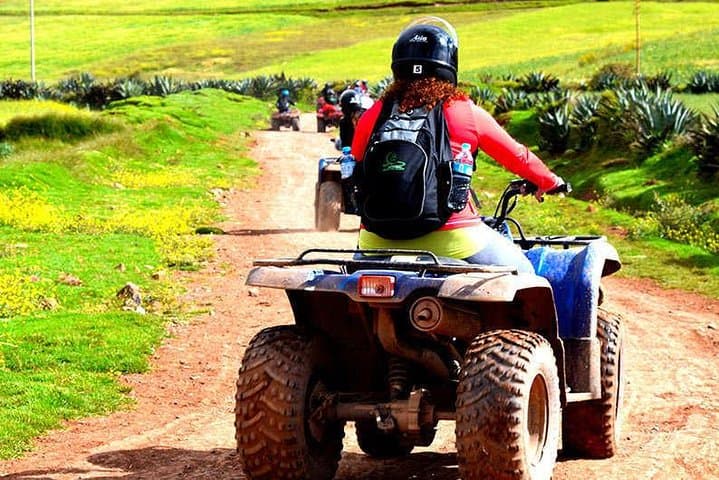
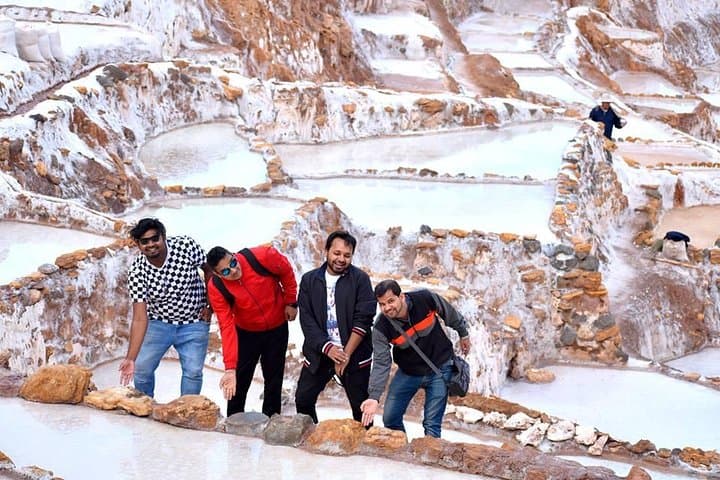
You climb onto a rumbling quad as the Andean wind pushes at your jacket, dirt throwing up in narrow ribbons behind you. The road threads between patchwork fields—high-altitude meadows, shepherds’ stone walls and the bright geometric pools of the Salineras de Maras, each salt pan catching sunlight like a small, deliberate mirror.
Verified experiences and guided adventures in the surrounding area.
Operated by Illapha Travel Peru · Maras, Cusco
You climb onto a rumbling quad as the Andean wind pushes at your jacket, dirt throwing up in narrow ribbons behind you. The road threads between patchwork fields—high-altitude meadows, shepherds’ stone walls and the bright geometric pools of the Salineras de Maras, each salt pan catching sunlight like a small, deliberate mirror.
The route takes riders to two signature sites: Maras, where salt extraction dates back to pre‑Inca times, and Moray, the concentric terraces archaeologists call an Inca agricultural laboratory. Geology here is visible in layers—eroded volcanic soils and compacted terraces that shepherd water and microclimates across 3,300–3,500 m elevation. Local communities still tend plots and salt pans; you'll notice textiles and small roadside stands selling traditional snacks.
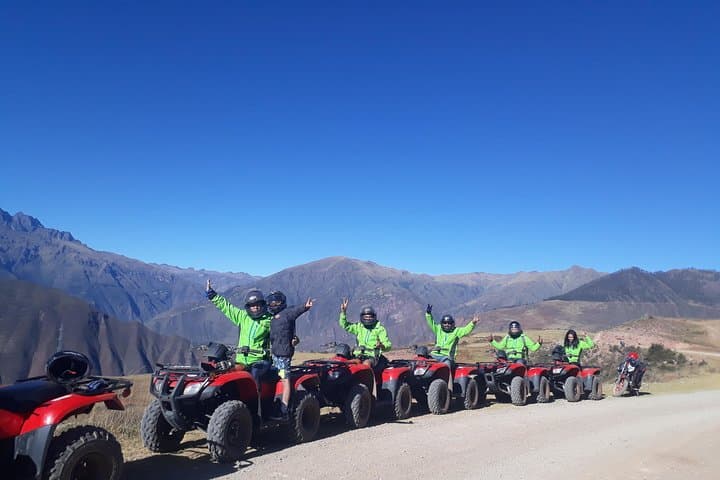
Expect a 5–6 hour excursion on dirt tracks and farm roads, with roughly 40 minutes at each stop for photos and short walks. The tour typically does not include archaeological admission fees, so carry small cash. Altitude is the practical challenge: breathing will feel heavier, and pace should be steady. Wear closed-toe shoes, full‑finger gloves, sun protection and a windproof layer; helmets and a bilingual guide are standard.
This is an active day that balances mechanical motion and deliberate pauses—dust will mark your clothes, and the landscape will keep pulling your eyes. Respect local operations at the salt pans, follow your guide’s instructions on speed and passing, and build in time for slow, careful driving on steep, loose sections.
moderate.
5–6 hours.
Moderate fitness; able to mount/dismount ATVs repeatedly and tolerate high‑altitude exertion
No formal certification is required, but basic familiarity with operating a quad and comfort on uneven dirt tracks makes the day safer and more enjoyable.
Admission is typically not included on this tour; bring local currency to pay site fees and small purchases.
Sites are at 3,300–3,500 m; expect heavier breathing and possible headaches—drink water, move slowly and inform the guide if symptoms worsen.
Not recommended for pregnant travelers or people with significant spinal or cardiovascular issues; age or size restrictions may apply—check operator rules when booking.
Maras salt pans have been exploited since pre‑Inca times for local salt production; Moray’s concentric terraces are believed to have been used as microclimate agricultural test plots by the Inca.
The salt pans and terraces are fragile cultural landscapes—stay on designated paths, avoid contaminating pans, and support local businesses that practice sustainable harvesting.
Illapha Travel Peru operates guided outdoor trips and adventures with an emphasis on safety, stewardship, and memorable experiences.
You climb onto a rumbling quad as the Andean wind pushes at your jacket, dirt throwing up in narrow ribbons behind you. The road threads between patchwork fields—high-altitude meadows, shepherds’ stone walls and the bright geometric pools of the Salineras de Maras, each salt pan catching sunlight like a small, deliberate mirror.
You climb onto a rumbling quad as the Andean wind pushes at your jacket, dirt throwing up in narrow ribbons behind you. The road threads between patchwork fields—high-altitude meadows, shepherds’ stone walls and the bright geometric pools of the Salineras de Maras, each salt pan catching sunlight like a small, deliberate mirror.
The route takes riders to two signature sites: Maras, where salt extraction dates back to pre‑Inca times, and Moray, the concentric terraces archaeologists call an Inca agricultural laboratory. Geology here is visible in layers—eroded volcanic soils and compacted terraces that shepherd water and microclimates across 3,300–3,500 m elevation. Local communities still tend plots and salt pans; you'll notice textiles and small roadside stands selling traditional snacks.
Expect a 5–6 hour excursion on dirt tracks and farm roads, with roughly 40 minutes at each stop for photos and short walks. The tour typically does not include archaeological admission fees, so carry small cash. Altitude is the practical challenge: breathing will feel heavier, and pace should be steady. Wear closed-toe shoes, full‑finger gloves, sun protection and a windproof layer; helmets and a bilingual guide are standard.
This is an active day that balances mechanical motion and deliberate pauses—dust will mark your clothes, and the landscape will keep pulling your eyes. Respect local operations at the salt pans, follow your guide’s instructions on speed and passing, and build in time for slow, careful driving on steep, loose sections.