THE ADVENTURE COLLECTIVE® · Independent discovery and booking for outdoor travel

Trace an off-road route from El Cedral’s ancient stones to the jade-lit Cavern of Chempita, finish with tequila tasting and a beach cooldown. This 2–3 hour ATV loop blends Mayan history, cave swimming, and a relaxed shoreline stop.
Trace an off-road route from El Cedral’s ancient stones to the jade-lit Cavern of Chempita, finish with tequila tasting and a beach cooldown. This 2–3 hour ATV loop blends Mayan history, cave swimming, and a relaxed shoreline stop.
The engine thumps as a trail of dust rises behind the ATVs; palms lean like quiet onlookers while the island pushes visitors south toward a cavern that keeps its own light. Riders roll from El Cedral’s dusty plaza through scrub and limestone outcrops to the jade-hued cenote known locally as Chempita — a cool, dark cupola where stalactites hang like old teeth and the water dares you to jump.
Verified experiences and guided adventures in the surrounding area.
Operated by adventour trips · Cozumel, Quintana Roo
The engine thumps as a trail of dust rises behind the ATVs; palms lean like quiet onlookers while the island pushes visitors south toward a cavern that keeps its own light. Riders roll from El Cedral’s dusty plaza through scrub and limestone outcrops to the jade-hued cenote known locally as Chempita — a cool, dark cupola where stalactites hang like old teeth and the water dares you to jump.
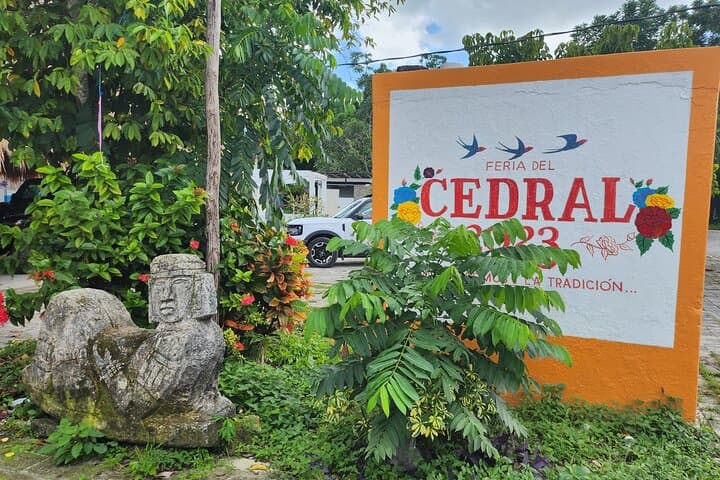
El Cedral is one of Cozumel’s oldest settlements, with painted wall fragments and stone foundations dating back around 1,200 years, when Maya life clustered around freshwater sinks. The island’s geology — porous limestone over a network of subterranean rivers — created the cenotes and caverns that make the landscape feel half land, half sea. Culture arrives in short, potent bursts here: a guide’s explanation of Mayan reverence for cenotes, the artisanal tequila demonstration that follows, and the relaxed beach ritual at Palm Beach where hammocks and margaritas mark the end of a day’s work.
Practical details are direct: the tour mixes off-road ATV driving (basic handling required), a supervised cenote swim/jump, a short ruins stop, a hands-on tequila tasting, and a beach cooldown at Punta Frances. Expect 2–3 hours total, private transfers, bottled water provided, and uneven terrain — bring closed-toe shoes, sun protection, and a swimsuit under quick-dry layers. Respect the cave: avoid lotions before entering the cenote, listen to guides about fragile species, and plan for a roughly 30–40 minute stop at each point. This is an active half-day that rewards curiosity and a readiness to get a little dirty.
moderate.
2–3 hours.
Moderate fitness — able to handle short stints of off-road riding, a brief swim or jump, and walking on uneven ground.
No — basic ATV handling is taught on-site and guides lead the group; riders should be comfortable with throttle control and uneven terrain.
Yes — the tour includes a supervised swim/jump in the cenote, but guests must follow guide instructions and avoid lotions or sunscreens before entering the water.
Private transportation is included; pickup and drop-off details are collected at booking so operators can arrange timing.
Not recommended for pregnant travelers or those with serious back or heart conditions; guests should have moderate physical fitness and follow weight/age policies provided at booking.
El Cedral is one of Cozumel’s oldest communities with masonry and painted wall fragments dating back roughly to 800–1000 AD; cenotes were sacred freshwater sources for the Maya.
Cenotes are fragile freshwater systems — avoid soaps and sunscreens before entering, follow guide rules, and support local businesses that limit visitor impact.
adventour trips operates guided outdoor trips and adventures with an emphasis on safety, stewardship, and memorable experiences.
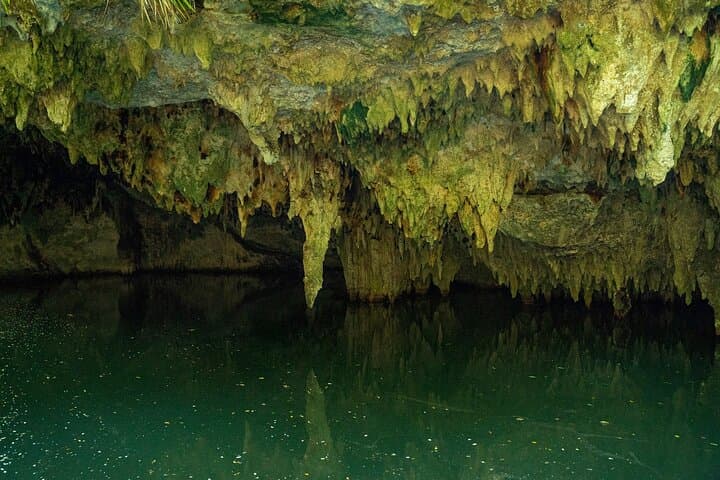
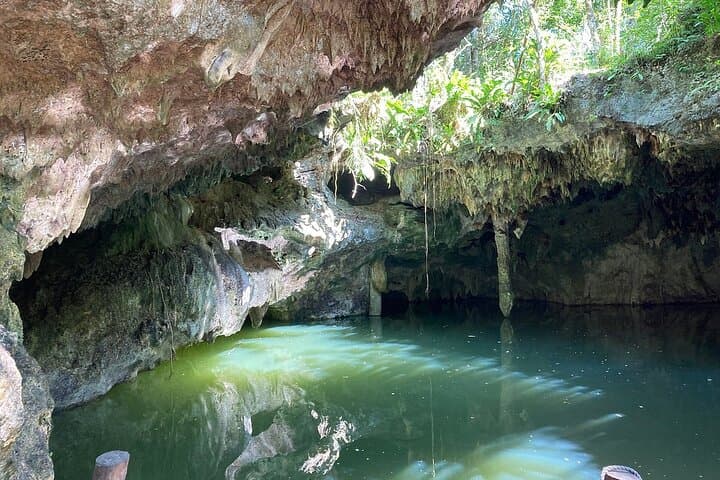
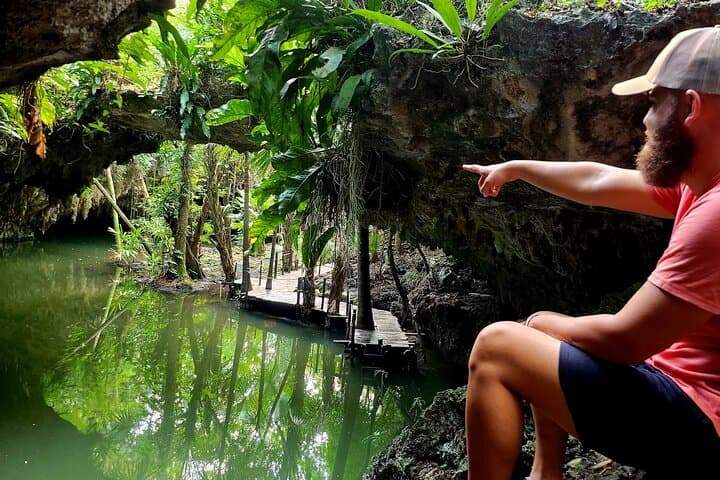
The engine thumps as a trail of dust rises behind the ATVs; palms lean like quiet onlookers while the island pushes visitors south toward a cavern that keeps its own light. Riders roll from El Cedral’s dusty plaza through scrub and limestone outcrops to the jade-hued cenote known locally as Chempita — a cool, dark cupola where stalactites hang like old teeth and the water dares you to jump.
The engine thumps as a trail of dust rises behind the ATVs; palms lean like quiet onlookers while the island pushes visitors south toward a cavern that keeps its own light. Riders roll from El Cedral’s dusty plaza through scrub and limestone outcrops to the jade-hued cenote known locally as Chempita — a cool, dark cupola where stalactites hang like old teeth and the water dares you to jump.
El Cedral is one of Cozumel’s oldest settlements, with painted wall fragments and stone foundations dating back around 1,200 years, when Maya life clustered around freshwater sinks. The island’s geology — porous limestone over a network of subterranean rivers — created the cenotes and caverns that make the landscape feel half land, half sea. Culture arrives in short, potent bursts here: a guide’s explanation of Mayan reverence for cenotes, the artisanal tequila demonstration that follows, and the relaxed beach ritual at Palm Beach where hammocks and margaritas mark the end of a day’s work.
Practical details are direct: the tour mixes off-road ATV driving (basic handling required), a supervised cenote swim/jump, a short ruins stop, a hands-on tequila tasting, and a beach cooldown at Punta Frances. Expect 2–3 hours total, private transfers, bottled water provided, and uneven terrain — bring closed-toe shoes, sun protection, and a swimsuit under quick-dry layers. Respect the cave: avoid lotions before entering the cenote, listen to guides about fragile species, and plan for a roughly 30–40 minute stop at each point. This is an active half-day that rewards curiosity and a readiness to get a little dirty.