THE ADVENTURE COLLECTIVE® · Independent discovery and booking for outdoor travel

Leave Split for a three-hour quad ride along the Cetina and its smaller tributaries, Ovrlja and Ruda. This guided tour mixes tumbling karst scenery, old watermills, and accessible off-road trails — ideal for first-time riders who want a high-adrenaline window into Dalmatia’s inland landscape.
Leave Split for a three-hour quad ride along the Cetina and its smaller tributaries, Ovrlja and Ruda. This guided tour mixes tumbling karst scenery, old watermills, and accessible off-road trails — ideal for first-time riders who want a high-adrenaline window into Dalmatia’s inland landscape.
The rumble of a quad pulls travelers out of Split and into limestone country where three rivers meet: Cetina’s deeper channel, and the smaller Ovrlja and Ruda carving cool lines through karst fields. Riders push through dirt tracks, skirt riverbanks, and pause on ridges where the valley opens to wide, stony meadows — wind and spray give the landscape a brisk, tactile edge.
Verified experiences and guided adventures in the surrounding area.
Operated by Grand Adventures · Split, Split-Dalmatia County
The rumble of a quad pulls travelers out of Split and into limestone country where three rivers meet: Cetina’s deeper channel, and the smaller Ovrlja and Ruda carving cool lines through karst fields. Riders push through dirt tracks, skirt riverbanks, and pause on ridges where the valley opens to wide, stony meadows — wind and spray give the landscape a brisk, tactile edge.
This corridor has been shaped by karst geology and human craft for centuries. Ancient stone mills and farmsteads cling to river bends; Ottoman-era routes and Dalmatian shepherding traditions still mark the hillsides. The Cetina gorge is a working landscape, with caves, springs, and terraces that reveal limestone folding and abrupt drops where water has cut deep channels.
Local guides weave cultural notes into the ride: where a mill once ground grain, or where a spring supplied whole villages. Wildlife is often skittish but visible — herons at the water’s edge, raptors on thermals above the cliffs.
Practical guidance: the three-hour trip is accessible to beginners; guides provide instruction and helmets. Wear closed-toe shoes and long pants to protect against brush and dust. Carry sun protection and a small refillable water bottle even if a bottle is provided; phone in a secure case for photos. Expect variable terrain — packed dirt, small rocky sections, and occasional wet patches near springs — so moderate speed and attention to guide signals keep the group safe.
Timing matters: morning light is best for photos and cooler air; avoid the hottest midday in summer. Respect private land and agricultural plots, stay on assigned routes, and leave springs and mills as you found them.
easy.
3 hours.
Suitable for people in general good health with basic mobility; you should be able to mount a quad and handle short periods standing on footpegs.
No — the tour is designed for beginners; guides offer a short safety briefing and keep speeds comfortable for new riders.
Guided ATV, helmets, bottled water, basic raincoats if needed, and pick-up/drop-off (pickup may carry an extra surcharge).
Not recommended for pregnant travelers or those with back or serious cardiovascular problems; check age limits with the operator as child passenger rules may apply.
Tours may be canceled for safety in bad weather; the provider’s policy allows full refund if canceled at least 24 hours before departure.
The river corridor sustained small agricultural settlements and watermills for centuries; Ottoman-era routes and Dalmatian shepherding shaped the local settlement patterns.
Karst springs and riverbanks are sensitive — stick to guided routes, avoid contaminating springs, and leave historic mill sites undisturbed.
Grand Adventures operates guided outdoor trips and adventures with an emphasis on safety, stewardship, and memorable experiences.
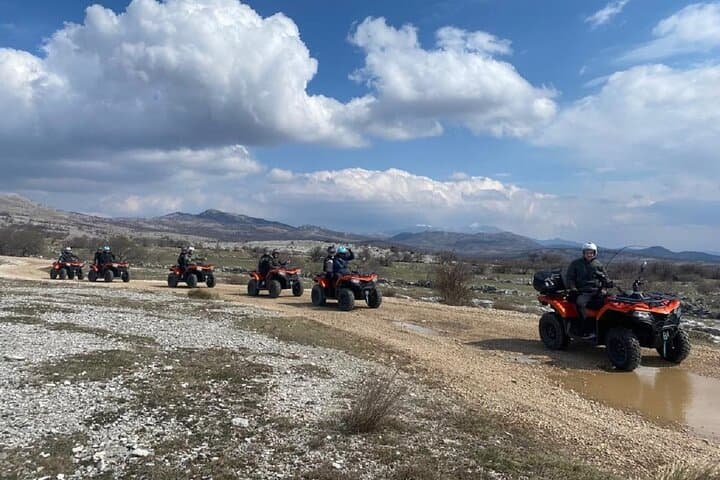
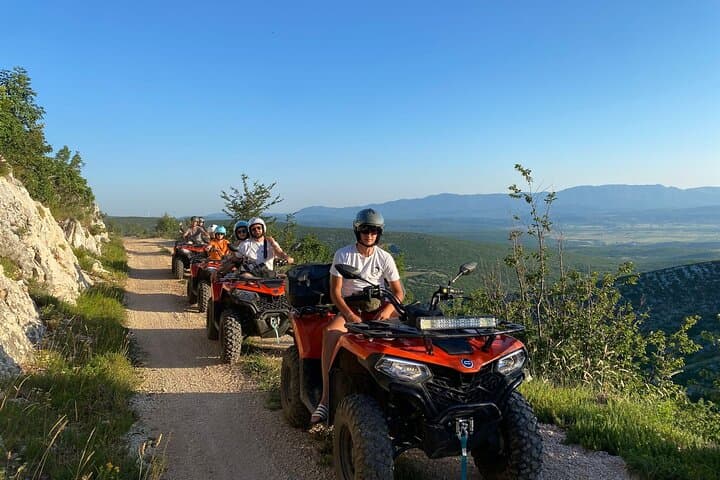
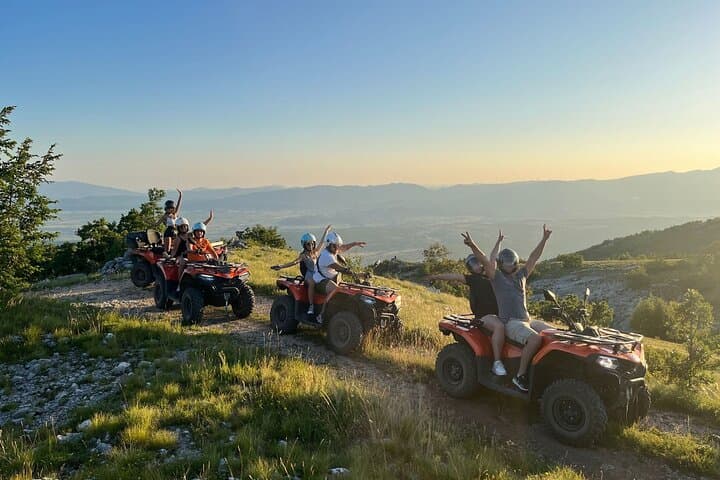
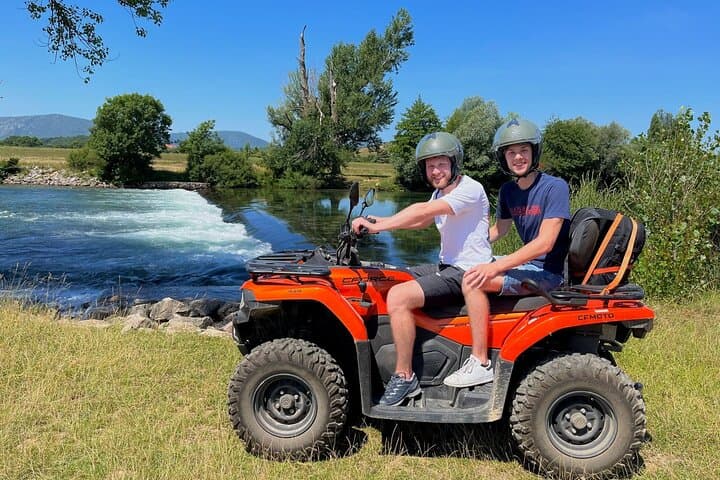
The rumble of a quad pulls travelers out of Split and into limestone country where three rivers meet: Cetina’s deeper channel, and the smaller Ovrlja and Ruda carving cool lines through karst fields. Riders push through dirt tracks, skirt riverbanks, and pause on ridges where the valley opens to wide, stony meadows — wind and spray give the landscape a brisk, tactile edge.
The rumble of a quad pulls travelers out of Split and into limestone country where three rivers meet: Cetina’s deeper channel, and the smaller Ovrlja and Ruda carving cool lines through karst fields. Riders push through dirt tracks, skirt riverbanks, and pause on ridges where the valley opens to wide, stony meadows — wind and spray give the landscape a brisk, tactile edge.
This corridor has been shaped by karst geology and human craft for centuries. Ancient stone mills and farmsteads cling to river bends; Ottoman-era routes and Dalmatian shepherding traditions still mark the hillsides. The Cetina gorge is a working landscape, with caves, springs, and terraces that reveal limestone folding and abrupt drops where water has cut deep channels.
Local guides weave cultural notes into the ride: where a mill once ground grain, or where a spring supplied whole villages. Wildlife is often skittish but visible — herons at the water’s edge, raptors on thermals above the cliffs.
Practical guidance: the three-hour trip is accessible to beginners; guides provide instruction and helmets. Wear closed-toe shoes and long pants to protect against brush and dust. Carry sun protection and a small refillable water bottle even if a bottle is provided; phone in a secure case for photos. Expect variable terrain — packed dirt, small rocky sections, and occasional wet patches near springs — so moderate speed and attention to guide signals keep the group safe.
Timing matters: morning light is best for photos and cooler air; avoid the hottest midday in summer. Respect private land and agricultural plots, stay on assigned routes, and leave springs and mills as you found them.