THE ADVENTURE COLLECTIVE® · Independent discovery and booking for outdoor travel

Kick up dust on an ATV from Cusco to two of the Sacred Valley’s most striking sites. This half-day ride pairs hands-on adventure with Inca agricultural history and the otherworldly salt pans of Maras.
Kick up dust on an ATV from Cusco to two of the Sacred Valley’s most striking sites. This half-day ride pairs hands-on adventure with Inca agricultural history and the otherworldly salt pans of Maras.
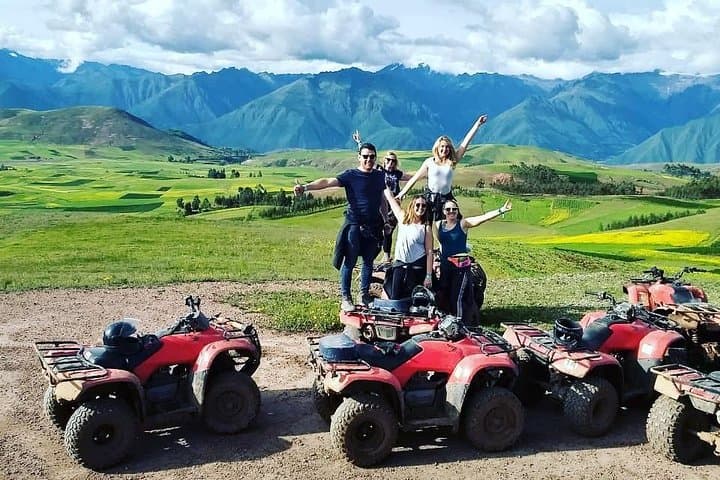
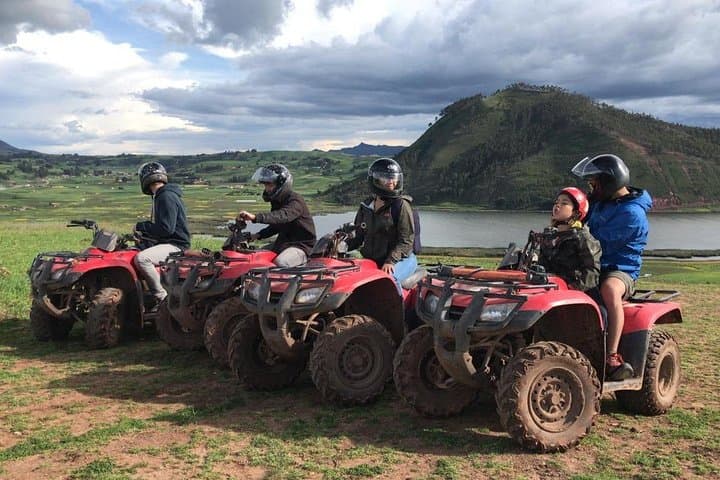
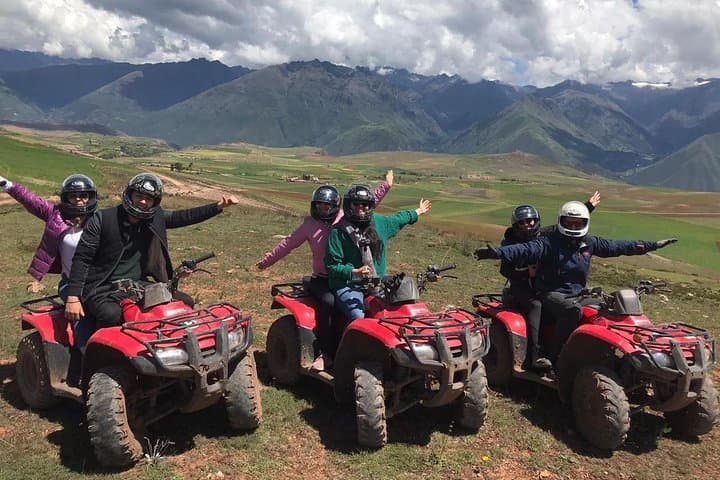
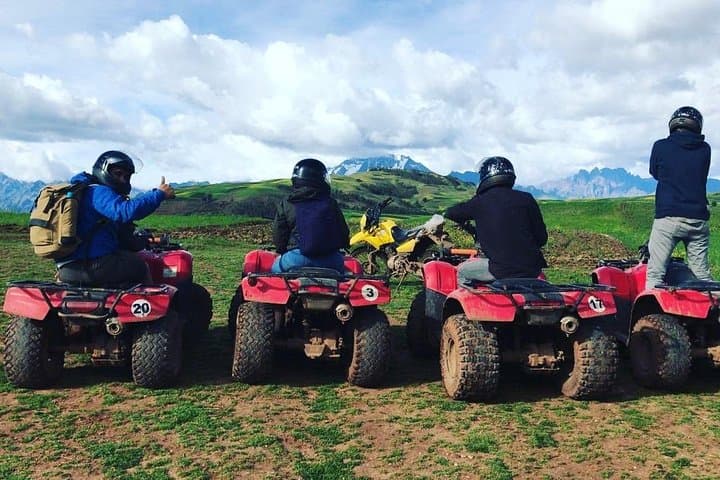
Sunlight breaks across high Andean fields as your quad wakes and the engine answers—dust rises in thin ribbons while stone terraces and distant peaks sharpen into relief. The route from near Cusco threads through puna grasslands, past small farming hamlets, and finally into the saddle where the circular agricultural amphitheaters of Moray and the honeycombed salt pans of Maras come into view.
Verified experiences and guided adventures in the surrounding area.
Operated by Heidi Travel EIRL · Cusco, Cusco Region
Sunlight breaks across high Andean fields as your quad wakes and the engine answers—dust rises in thin ribbons while stone terraces and distant peaks sharpen into relief. The route from near Cusco threads through puna grasslands, past small farming hamlets, and finally into the saddle where the circular agricultural amphitheaters of Moray and the honeycombed salt pans of Maras come into view.
Moray’s concentric terraces once served Inca agricultural experimentation, their stepped bowls manipulating temperature and moisture to trial crops at microclimate levels. Nearby, the salt evaporation pools of Maras collect mineral-rich spring water that locals have harvested since pre-Columbian times; the geometric pans glitter like a low-lying sea. Geology here is dramatic but readable—tilted strata, irrigation channels, and terraced soils tell a human story written into volcanic and sedimentary ground.
Culturally, expect Quechua-speaking communities and roadside vendors selling woven textiles and snacks. Guides typically explain Inca land-use practices and modern salt-harvesting techniques, giving context to what you’ll be seeing and riding past.
Practical guidance: plan for a half-day (roughly five hours), bring layered clothing for wind and sun, and carry water and a light snack. Helmets and gloves are commonly provided—still, wear sturdy closed-toe shoes and read the safety briefing closely. Trails are uneven and can be dusty; moderate fitness and basic motorbike confidence help. Timing your trip for morning or late afternoon reduces glare and can bring softer temperatures. Respect fenced areas and local workers—the landscape is both archaeological site and working countryside.
moderate.
5 hours (approx.).
Moderate fitness recommended—able to handle bumpy terrain, frequent mounting/dismounting, and half-day exposure at 3,500–4,000 m elevation.
No previous experience is required; tours include a safety briefing and supervised practice, but basic balance and comfort with motorized bikes help.
Yes—most operators supply helmets and gloves as part of the kit, though bringing your own sunglasses and closed-toe shoes is recommended.
Not usually; entrance to Maras and the tourist ticket for Moray may require additional payment on-site—bring local currency.
Tours often have age limits and advise against participation for pregnant travelers or those with serious cardiovascular issues; confirm at booking.
Moray’s concentric terraces were agricultural test beds for Inca crop research; Maras’ salt pans predate the Inca and remain a community-run resource.
These sites combine archaeological sensitivity and working landscapes—stay on marked paths, avoid collecting salt, and support local vendors rather than disturbing terraces.
Heidi Travel EIRL operates guided outdoor trips and adventures with an emphasis on safety, stewardship, and memorable experiences.
Sunlight breaks across high Andean fields as your quad wakes and the engine answers—dust rises in thin ribbons while stone terraces and distant peaks sharpen into relief. The route from near Cusco threads through puna grasslands, past small farming hamlets, and finally into the saddle where the circular agricultural amphitheaters of Moray and the honeycombed salt pans of Maras come into view.
Sunlight breaks across high Andean fields as your quad wakes and the engine answers—dust rises in thin ribbons while stone terraces and distant peaks sharpen into relief. The route from near Cusco threads through puna grasslands, past small farming hamlets, and finally into the saddle where the circular agricultural amphitheaters of Moray and the honeycombed salt pans of Maras come into view.
Moray’s concentric terraces once served Inca agricultural experimentation, their stepped bowls manipulating temperature and moisture to trial crops at microclimate levels. Nearby, the salt evaporation pools of Maras collect mineral-rich spring water that locals have harvested since pre-Columbian times; the geometric pans glitter like a low-lying sea. Geology here is dramatic but readable—tilted strata, irrigation channels, and terraced soils tell a human story written into volcanic and sedimentary ground.
Culturally, expect Quechua-speaking communities and roadside vendors selling woven textiles and snacks. Guides typically explain Inca land-use practices and modern salt-harvesting techniques, giving context to what you’ll be seeing and riding past.
Practical guidance: plan for a half-day (roughly five hours), bring layered clothing for wind and sun, and carry water and a light snack. Helmets and gloves are commonly provided—still, wear sturdy closed-toe shoes and read the safety briefing closely. Trails are uneven and can be dusty; moderate fitness and basic motorbike confidence help. Timing your trip for morning or late afternoon reduces glare and can bring softer temperatures. Respect fenced areas and local workers—the landscape is both archaeological site and working countryside.