THE ADVENTURE COLLECTIVE® · Independent discovery and booking for outdoor travel

Arrive faster and save energy for the climb on this ATV-assisted full-day tour to Vinicunca (Rainbow Mountain) with an extra stop at the Red Valley. Expect high-altitude trekking, dramatic mineral bands, and views shaped by the Ausangate range.
Arrive faster and save energy for the climb on this ATV-assisted full-day tour to Vinicunca (Rainbow Mountain) with an extra stop at the Red Valley. Expect high-altitude trekking, dramatic mineral bands, and views shaped by the Ausangate range.
Dawn light slices across the high puna as riders and hikers gather in Cusco to begin a long, high-altitude day. The road climbs toward the Ausangate massif, and by the time the vehicles stop you feel the thin air—wind already shaping the colored bands of the mountain ahead. On this tour the approach can be by high-end Honda ATVs, shortening the drive and conserving energy for the hill itself.
Verified experiences and guided adventures in the surrounding area.
Operated by Machupicchu Nice · Cusco, Cusco Region
Dawn light slices across the high puna as riders and hikers gather in Cusco to begin a long, high-altitude day. The road climbs toward the Ausangate massif, and by the time the vehicles stop you feel the thin air—wind already shaping the colored bands of the mountain ahead. On this tour the approach can be by high-end Honda ATVs, shortening the drive and conserving energy for the hill itself.
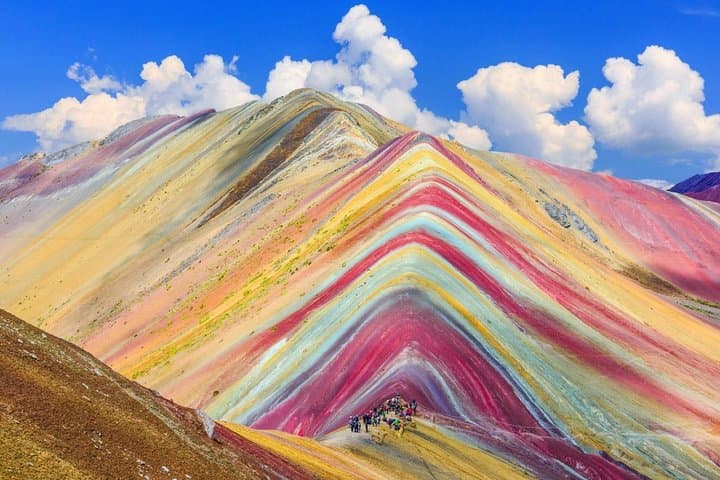
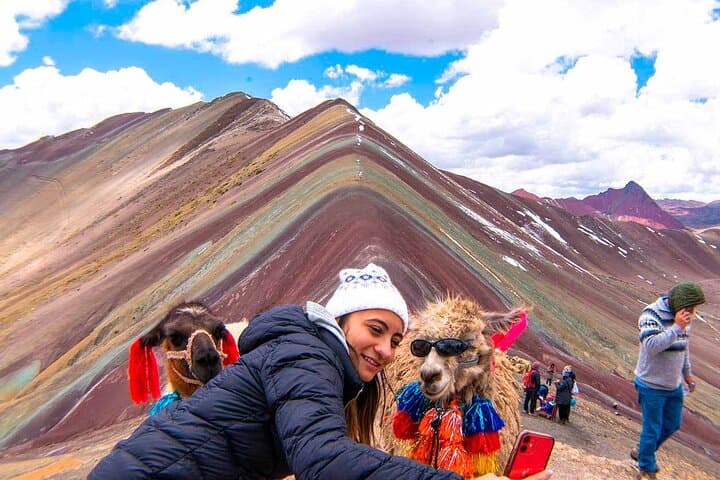
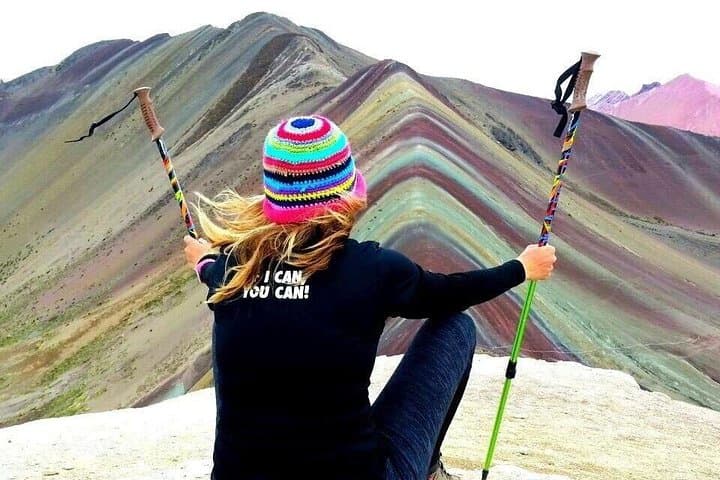
Vinicunca’s striped slopes owe their palette to layers of mineral deposits—iron oxides for reds, copper compounds for greens, and clays for yellows—laid down over millennia and revealed by glacial sculpting. The plateau sits inside traditional Quechua territory; herders still move llamas and alpacas across the grasslands and small stone hamlets punctuate the route. The nearby Red Valley presents ochre and rust tones and fewer visitors, offering a quieter vantage point.
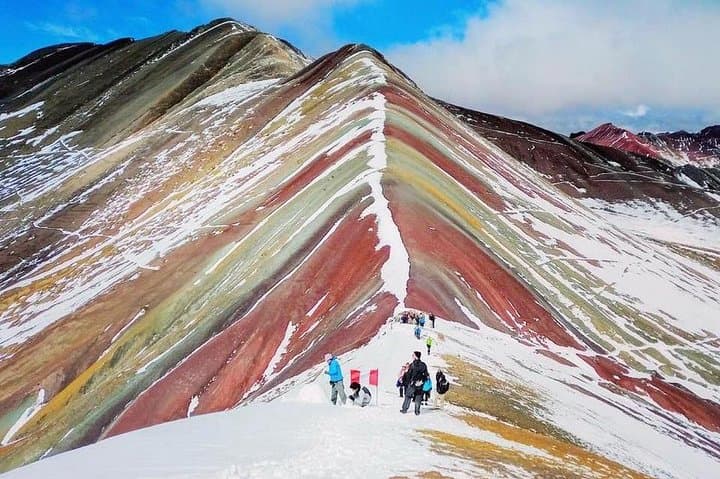
Expect a 1.5–2 hour ascent from the trailhead over 3–4 km, with roughly 400–600 m of gain on rocky, often muddy switchbacks and exposed tundra. Weather changes quickly—strong sun, cutting wind and fast drops in temperature are typical. Guides provide context and logistics, and meals are served in Cusipata or en route.
Practical planning matters: spend 48 hours in Cusco to acclimatize if possible, bring layered insulation, and plan for slow, steady pacing on the climb. Keep to marked paths to protect fragile soils and respect local communities; this preserves views and the trail for the next traveler.
challenging.
10–12 hours.
Participants should have good aerobic fitness and be comfortable hiking uphill at high elevation; prior high-altitude experience helps.
The summit area sits above 5,000 m (≈16,400 ft); the trail from the common trailhead is typically 3–4 km one-way with 400–600 m of elevation gain and takes about 1.5–2 hours to ascend.
Yes—this full-day itinerary includes both; the Red Valley is less-visited and usually added after the Rainbow Mountain summit for additional viewpoints and photos.
This operator offers high-end Honda ATVs to shorten road time and reduce exertion during approach, but the final ascent is on foot and still requires moderate fitness.
People with serious heart or spinal conditions, pregnant travelers, or those unable to tolerate high altitude should avoid; children and travelers with mobility limits should discuss options with the operator.
The colored slopes lie on the eastern flanks of the Ausangate range and are part of ancestral Quechua lands; seasonal transhumance and traditional weaving persist in nearby communities.
Rapid visitor growth stresses fragile soils and local water sources—stay on trails, pack out waste, and support community-run services to reduce impact.
Machupicchu Nice operates guided outdoor trips and adventures with an emphasis on safety, stewardship, and memorable experiences.
Dawn light slices across the high puna as riders and hikers gather in Cusco to begin a long, high-altitude day. The road climbs toward the Ausangate massif, and by the time the vehicles stop you feel the thin air—wind already shaping the colored bands of the mountain ahead. On this tour the approach can be by high-end Honda ATVs, shortening the drive and conserving energy for the hill itself.
Dawn light slices across the high puna as riders and hikers gather in Cusco to begin a long, high-altitude day. The road climbs toward the Ausangate massif, and by the time the vehicles stop you feel the thin air—wind already shaping the colored bands of the mountain ahead. On this tour the approach can be by high-end Honda ATVs, shortening the drive and conserving energy for the hill itself.
Vinicunca’s striped slopes owe their palette to layers of mineral deposits—iron oxides for reds, copper compounds for greens, and clays for yellows—laid down over millennia and revealed by glacial sculpting. The plateau sits inside traditional Quechua territory; herders still move llamas and alpacas across the grasslands and small stone hamlets punctuate the route. The nearby Red Valley presents ochre and rust tones and fewer visitors, offering a quieter vantage point.
Expect a 1.5–2 hour ascent from the trailhead over 3–4 km, with roughly 400–600 m of gain on rocky, often muddy switchbacks and exposed tundra. Weather changes quickly—strong sun, cutting wind and fast drops in temperature are typical. Guides provide context and logistics, and meals are served in Cusipata or en route.
Practical planning matters: spend 48 hours in Cusco to acclimatize if possible, bring layered insulation, and plan for slow, steady pacing on the climb. Keep to marked paths to protect fragile soils and respect local communities; this preserves views and the trail for the next traveler.