THE ADVENTURE COLLECTIVE® · Independent discovery and booking for outdoor travel

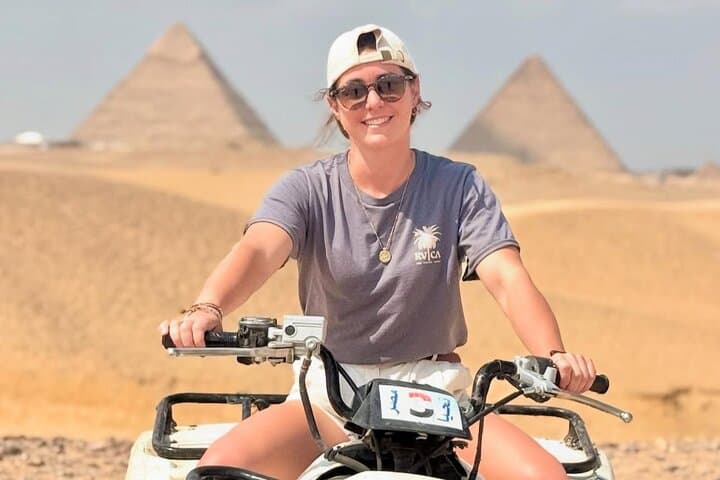
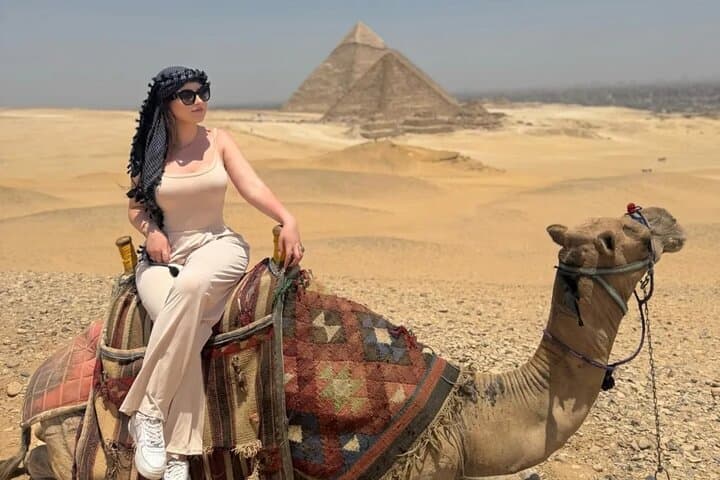
Race across the Giza Plateau on a private quad, then slow to camel pace beneath the three great pyramids. This combined ATV-and-camel tour pairs adrenaline with cultural storytelling and sweeping desert views.
Race across the Giza Plateau on a private quad, then slow to camel pace beneath the three great pyramids. This combined ATV-and-camel tour pairs adrenaline with cultural storytelling and sweeping desert views.
The desert opens like a blank page, wind erasing footprints as you lift off on a quad and the pyramids loom—monolithic, patient—on the horizon. Engine thrum mixes with the dry scent of acacia as guides steer you across rippled dunes toward wide, uninterrupted views of Khufu, Khafre and Menkaure.
Verified experiences and guided adventures in the surrounding area.
Operated by Siwa Travel Egypt · Giza, Giza Governorate
The desert opens like a blank page, wind erasing footprints as you lift off on a quad and the pyramids loom—monolithic, patient—on the horizon. Engine thrum mixes with the dry scent of acacia as guides steer you across rippled dunes toward wide, uninterrupted views of Khufu, Khafre and Menkaure.
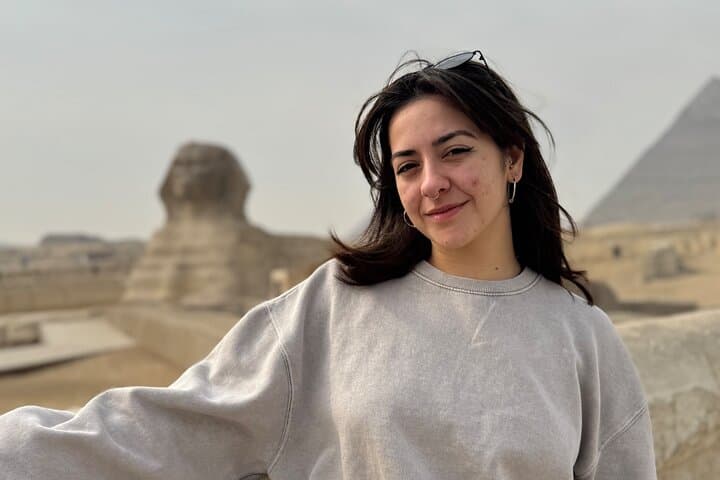
This stretch of the Giza Plateau sits on limestone bedrock uplifted from the Nile’s ancient floodplain; the pyramids themselves are funerary monuments from Egypt’s Old Kingdom (c. 2600–2500 BCE) and remain among the world’s most studied stone structures. Camel handlers and local guides often share pragmatic cultural context—how funerary processions worked, why alignment matters, and the modern Bedouin relationship to this landscape.
Expect a mix of high-adrenaline and slow, composed moments: a guided ATV loop that offers off-track sightlines and photo stops, then a calm camel ride that returns the rhythm to centuries-old pace. The sun can be relentless; sand will find seams in clothing and camera bags, and the plateau’s exposure means little shade but huge sky.
Practicalities: tours run about six hours, typically include bottled water and a professional guide, and may offer optional entrance fees to the pyramid complexes. Wear durable shoes, sun protection, and layers for early mornings or late afternoons. Listen to briefings on ATV safety and camel mounting, and carry a small first-aid kit. With a private guide, you get flexibility—push for quieter viewpoints early in the day and save the camel ride for golden light.
moderate.
6 hours.
Moderate fitness; participants should be comfortable mounting camels and operating an ATV for short periods.
No — operators provide a short orientation and guide you during the ride, but you should feel comfortable with basic throttle and braking.
Some packages include entrance to the pyramid complex; confirm whether your booking covers official site entry or only off-plateau viewpoints.
Camel segments typically last 10–30 minutes and are designed as scenic, low-speed photo opportunities rather than long treks.
Children can ride with supervision; however camels and ATVs require some mobility and balance—check with the operator about wheelchair access or special arrangements.
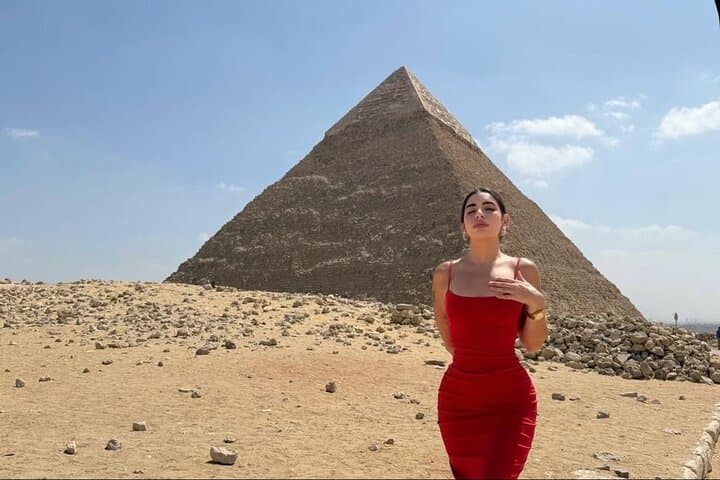
The Giza Plateau holds pyramids built during Egypt’s Fourth Dynasty (c. 2600–2500 BCE); their alignment and construction reflect advanced surveying and funerary practices of the pharaonic state.
Site management balances tourism with preservation; visitors should stay on designated routes, avoid climbing monuments, and follow guide instructions to limit erosion and wear.
Siwa Travel Egypt operates guided outdoor trips and adventures with an emphasis on safety, stewardship, and memorable experiences.
The desert opens like a blank page, wind erasing footprints as you lift off on a quad and the pyramids loom—monolithic, patient—on the horizon. Engine thrum mixes with the dry scent of acacia as guides steer you across rippled dunes toward wide, uninterrupted views of Khufu, Khafre and Menkaure.
The desert opens like a blank page, wind erasing footprints as you lift off on a quad and the pyramids loom—monolithic, patient—on the horizon. Engine thrum mixes with the dry scent of acacia as guides steer you across rippled dunes toward wide, uninterrupted views of Khufu, Khafre and Menkaure.
This stretch of the Giza Plateau sits on limestone bedrock uplifted from the Nile’s ancient floodplain; the pyramids themselves are funerary monuments from Egypt’s Old Kingdom (c. 2600–2500 BCE) and remain among the world’s most studied stone structures. Camel handlers and local guides often share pragmatic cultural context—how funerary processions worked, why alignment matters, and the modern Bedouin relationship to this landscape.
Expect a mix of high-adrenaline and slow, composed moments: a guided ATV loop that offers off-track sightlines and photo stops, then a calm camel ride that returns the rhythm to centuries-old pace. The sun can be relentless; sand will find seams in clothing and camera bags, and the plateau’s exposure means little shade but huge sky.
Practicalities: tours run about six hours, typically include bottled water and a professional guide, and may offer optional entrance fees to the pyramid complexes. Wear durable shoes, sun protection, and layers for early mornings or late afternoons. Listen to briefings on ATV safety and camel mounting, and carry a small first-aid kit. With a private guide, you get flexibility—push for quieter viewpoints early in the day and save the camel ride for golden light.