THE ADVENTURE COLLECTIVE® · Independent discovery and booking for outdoor travel

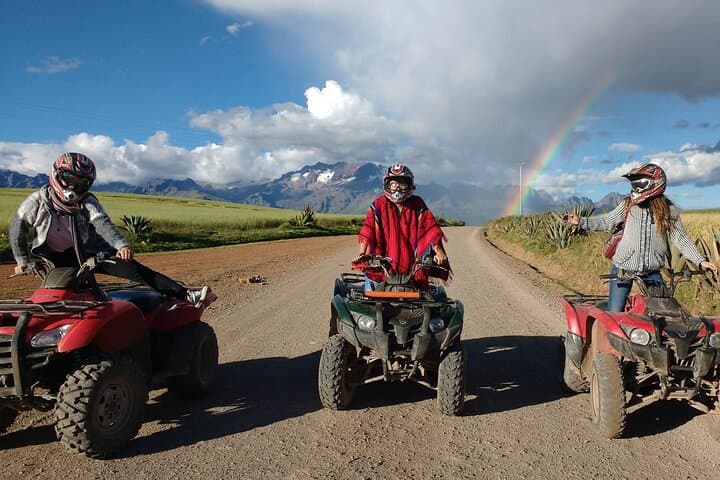
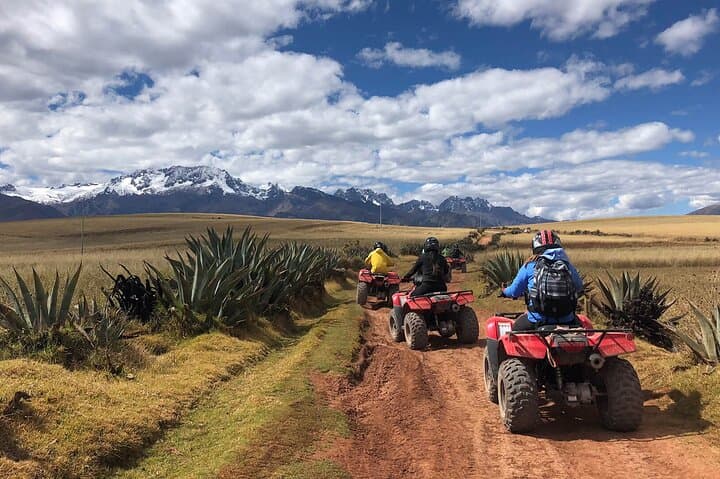
Throttle up and cross the high meadows of the Sacred Valley to Moray’s circular terraces and the salt‑worked pools of Maras. This half‑day ATV tour blends hands‑on driving with close‑up cultural and geological highlights outside Cusco.
Throttle up and cross the high meadows of the Sacred Valley to Moray’s circular terraces and the salt‑worked pools of Maras. This half‑day ATV tour blends hands‑on driving with close‑up cultural and geological highlights outside Cusco.
You start before dawn in Cusco, windows fogged and Andes peaks sharpening as the road unfurls west into the Sacred Valley. The engine of a four‑wheeler hums like a readying animal; the landscape opens into rural meadows, terraced slopes and thin, brilliant light that makes salt ponds glint like spilled coins.
Verified experiences and guided adventures in the surrounding area.
Operated by Machu Picchu Expeditions · Cusco, Cusco Region
You start before dawn in Cusco, windows fogged and Andes peaks sharpening as the road unfurls west into the Sacred Valley. The engine of a four‑wheeler hums like a readying animal; the landscape opens into rural meadows, terraced slopes and thin, brilliant light that makes salt ponds glint like spilled coins.
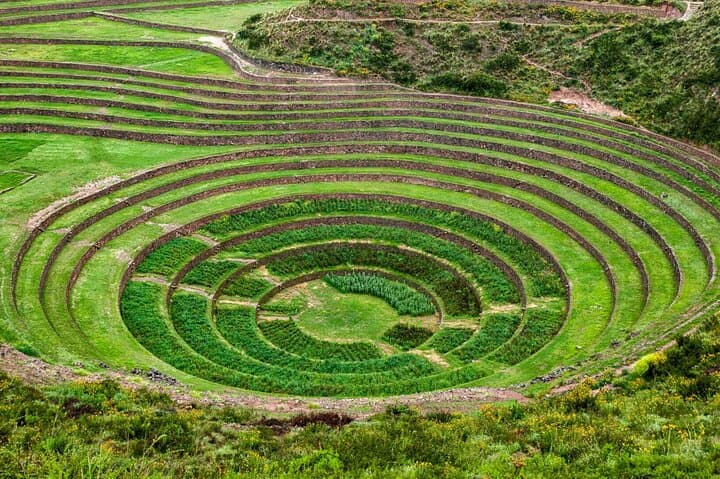
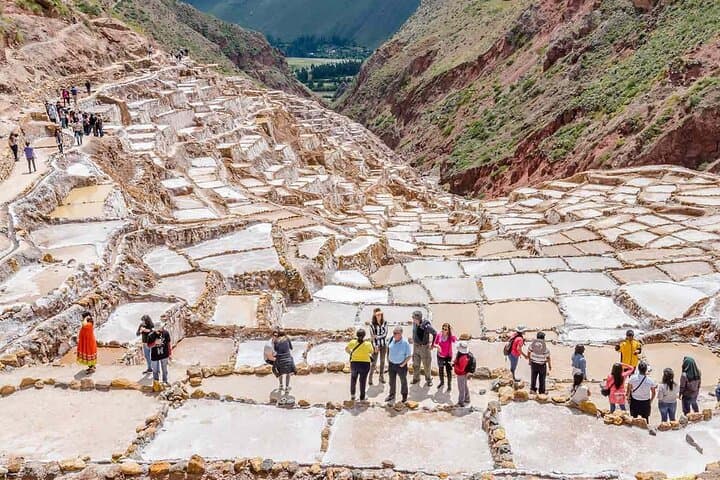
The route threads two of the Sacred Valley’s most telling sites. Moray’s concentric agricultural terraces read like an Inca laboratory—microclimates stacked in rings where ancient farmers tested crops. A short drive later, the Maras salt mines reveal hundreds of shallow evaporation pools, a technique practiced by local families since pre‑Inca times. Geology here is simple and blunt: uplifted Andean bedrock, fast runoff, and mineral‑rich springs; people have used those forces for centuries.
Cultural flashes arrive in market stalls and dyeing demonstrations, where woven thread and local craft anchor the technical attractions to living community practice.
Practically: the tour runs about six hours with an hour‑plus transfer from Cusco, short ATV instruction, and two 30‑minute site visits. Expect dirt tracks, occasional loose gravel, and high altitude (roughly 3,300–3,500 m). Hydrate well and give yourself at least one night in Cusco to acclimatize. Wear sturdy, closed shoes, layered clothing and eye protection; helmets and basic PPE are normally provided. Cameras are essential (wide angles for the terraces; telephoto for distant condors), but stay with the group, respect fenced sites, and budget time for a market stop on the return. This ride pairs adrenaline with archaeology—fast stretches of countryside framed by centuries of human ingenuity.
moderate.
6 hours.
Suitable for people with average fitness; you must be able to mount/dismount ATVs and handle short bursts of uneven terrain.
No formal license is usually required, but you’ll receive a brief training session; basic coordination and comfort with vehicle controls are expected.
Sites in this itinerary sit around 3,300–3,500 meters (10,800–11,500 ft); expect thinner air and cooler temperatures than Cusco’s central plaza.
This tour typically covers transport and guide services; check the booking details for site admission—some operators include basic fees, others do not.
Age and weight limits vary by operator—confirm minimum age and safety rules when booking; child seats are not standard on ATVs.
Moray’s terraces functioned as Inca agricultural experiment stations producing varied microclimates; Maras salt pools are an ancestral extraction system still run by local families.
Stick to designated paths and avoid disturbing salt pans; supporting local markets and guides helps keep revenue in community hands and reduces informal impacts.
Machu Picchu Expeditions operates guided outdoor trips and adventures with an emphasis on safety, stewardship, and memorable experiences.
You start before dawn in Cusco, windows fogged and Andes peaks sharpening as the road unfurls west into the Sacred Valley. The engine of a four‑wheeler hums like a readying animal; the landscape opens into rural meadows, terraced slopes and thin, brilliant light that makes salt ponds glint like spilled coins.
You start before dawn in Cusco, windows fogged and Andes peaks sharpening as the road unfurls west into the Sacred Valley. The engine of a four‑wheeler hums like a readying animal; the landscape opens into rural meadows, terraced slopes and thin, brilliant light that makes salt ponds glint like spilled coins.
The route threads two of the Sacred Valley’s most telling sites. Moray’s concentric agricultural terraces read like an Inca laboratory—microclimates stacked in rings where ancient farmers tested crops. A short drive later, the Maras salt mines reveal hundreds of shallow evaporation pools, a technique practiced by local families since pre‑Inca times. Geology here is simple and blunt: uplifted Andean bedrock, fast runoff, and mineral‑rich springs; people have used those forces for centuries.
Cultural flashes arrive in market stalls and dyeing demonstrations, where woven thread and local craft anchor the technical attractions to living community practice.
Practically: the tour runs about six hours with an hour‑plus transfer from Cusco, short ATV instruction, and two 30‑minute site visits. Expect dirt tracks, occasional loose gravel, and high altitude (roughly 3,300–3,500 m). Hydrate well and give yourself at least one night in Cusco to acclimatize. Wear sturdy, closed shoes, layered clothing and eye protection; helmets and basic PPE are normally provided. Cameras are essential (wide angles for the terraces; telephoto for distant condors), but stay with the group, respect fenced sites, and budget time for a market stop on the return. This ride pairs adrenaline with archaeology—fast stretches of countryside framed by centuries of human ingenuity.