THE ADVENTURE COLLECTIVE® · Independent discovery and booking for outdoor travel

Race across the sands, then step into 4,500 years of history. This combined quad-and-camel tour of the Giza Plateau pairs an Egyptologist-led walk through the pyramids with a one-hour ATV route and traditional Egyptian lunch.
Race across the sands, then step into 4,500 years of history. This combined quad-and-camel tour of the Giza Plateau pairs an Egyptologist-led walk through the pyramids with a one-hour ATV route and traditional Egyptian lunch.
A low sun paints the Giza Plateau gold as a convoy moves from the hotel into the open desert — engines rumble, sand lifts in silver sheets, and the silhouette of the Great Pyramid tightens into view.
Verified experiences and guided adventures in the surrounding area.
Operated by Egyptravel Tours · Giza, Giza Governorate
A low sun paints the Giza Plateau gold as a convoy moves from the hotel into the open desert — engines rumble, sand lifts in silver sheets, and the silhouette of the Great Pyramid tightens into view.
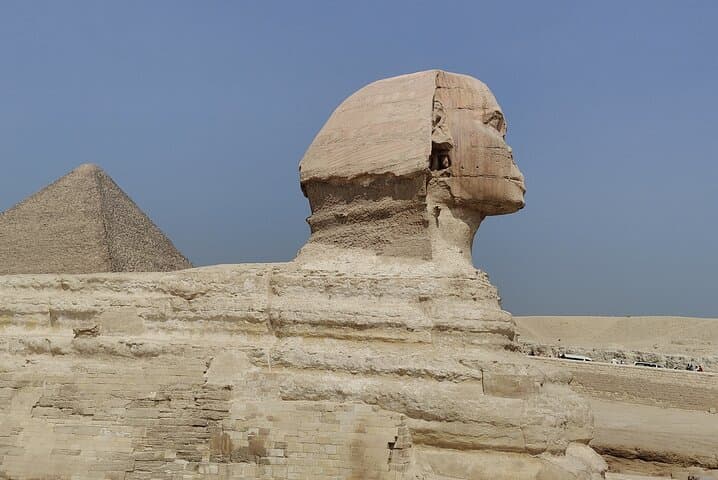
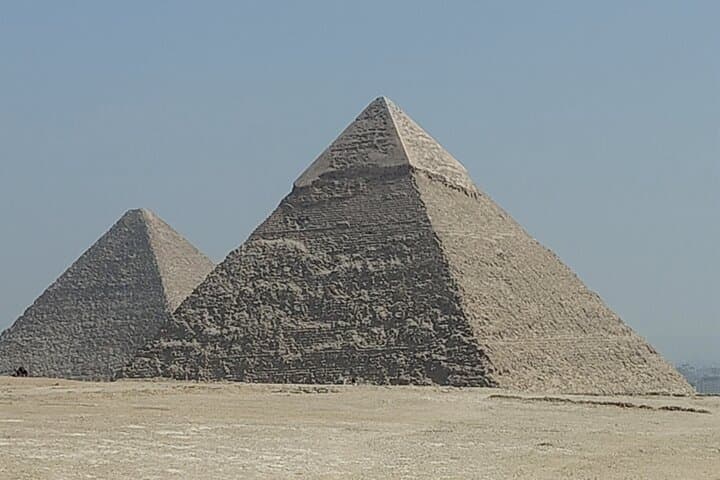
Visitors begin at the base of Khufu’s Great Pyramid, the only surviving Wonder of the Ancient World, where the scale of Old Kingdom engineering still demands attention: massive limestone blocks, precise alignments and the Sphinx watching the plain. Geologically the plateau is a rim of Pleistocene and Holocene sediments capped with quarried limestone; the stones you photograph were cut nearby and hauled into place millennia ago.
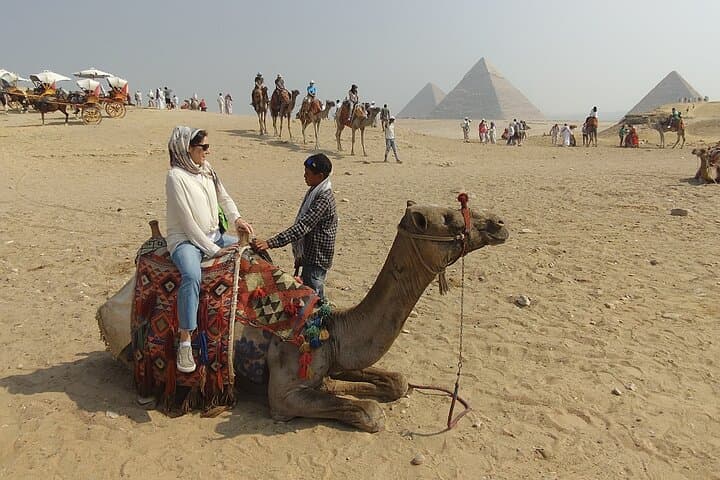
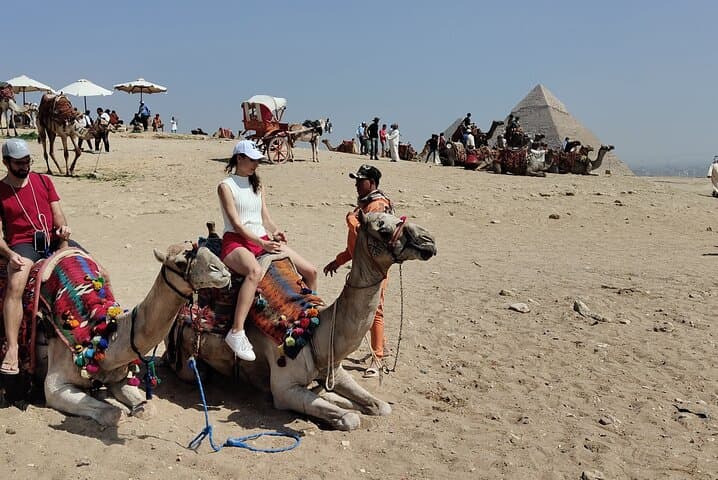
The day blends archaeology with hands-on desert travel: an Egyptologist explains the monuments’ history while an experienced guide leads a one-hour quad loop to tracks and vantage points inaccessible by car. A 30-minute camel option offers a slower rhythm to contrast the quad’s surge. Between sights there’s a practical cultural stop — try koshary for lunch, see how papyrus and perfumes are made, and learn how modern Giza supports a steady flow of tourism.
Practicalities matter: wear closed-toe shoes, sunscreen and eye protection; mornings are cooler and cleaner for photos, afternoons can be windy and dusty. Quads handle compact sand and flat desert grades, not steep climbs, but expect jolts and shifting surfaces. Entrance fees, a guided Egyptologist, bottled water and an air-conditioned transfer are included. Respect marked areas, keep a safe distance from monuments and follow guides’ instructions for a safe, informative half-day that pairs adrenaline with deep history.
moderate.
6–7 hours.
Light to moderate fitness — able to mount/dismount camels and manage brief standing/walking at sites.
Yes — quads are suitable for beginners with an instructor briefing; the one-hour route uses relatively flat, compacted sand and tracks.
Yes — entrance fees to the Giza archaeological site and access inside the Great Pyramid are included in this tour.
Yes — the 30-minute camel ride is optional and can be skipped or swapped for more time on the quad or at viewpoints.
Parts of the transfer and some viewing areas are wheelchair accessible, but quads and camels are not suitable for wheelchair users.
The Great Pyramid of Khufu dates to around 2560 BCE and remained the tallest man-made structure for millennia; the plateau was also a large quarry and ceremonial landscape in ancient times.
Tour operators are encouraged to keep vehicles on established tracks and avoid driving close to unprotected structures; visitors should not climb the monuments and should carry out trash.
Egyptravel Tours operates guided outdoor trips and adventures with an emphasis on safety, stewardship, and memorable experiences.
A low sun paints the Giza Plateau gold as a convoy moves from the hotel into the open desert — engines rumble, sand lifts in silver sheets, and the silhouette of the Great Pyramid tightens into view.
A low sun paints the Giza Plateau gold as a convoy moves from the hotel into the open desert — engines rumble, sand lifts in silver sheets, and the silhouette of the Great Pyramid tightens into view.
Visitors begin at the base of Khufu’s Great Pyramid, the only surviving Wonder of the Ancient World, where the scale of Old Kingdom engineering still demands attention: massive limestone blocks, precise alignments and the Sphinx watching the plain. Geologically the plateau is a rim of Pleistocene and Holocene sediments capped with quarried limestone; the stones you photograph were cut nearby and hauled into place millennia ago.
The day blends archaeology with hands-on desert travel: an Egyptologist explains the monuments’ history while an experienced guide leads a one-hour quad loop to tracks and vantage points inaccessible by car. A 30-minute camel option offers a slower rhythm to contrast the quad’s surge. Between sights there’s a practical cultural stop — try koshary for lunch, see how papyrus and perfumes are made, and learn how modern Giza supports a steady flow of tourism.
Practicalities matter: wear closed-toe shoes, sunscreen and eye protection; mornings are cooler and cleaner for photos, afternoons can be windy and dusty. Quads handle compact sand and flat desert grades, not steep climbs, but expect jolts and shifting surfaces. Entrance fees, a guided Egyptologist, bottled water and an air-conditioned transfer are included. Respect marked areas, keep a safe distance from monuments and follow guides’ instructions for a safe, informative half-day that pairs adrenaline with deep history.