THE ADVENTURE COLLECTIVE® · Independent discovery and booking for outdoor travel

Wade river crossings, stoop through limestone passages and stand before the "Crystal Maiden" on a full-day guided expedition into Actun Tunichil Muknal. This tour blends jungle hiking, Mayan history and protected cave archaeology into a demanding and unforgettable day.
Wade river crossings, stoop through limestone passages and stand before the "Crystal Maiden" on a full-day guided expedition into Actun Tunichil Muknal. This tour blends jungle hiking, Mayan history and protected cave archaeology into a demanding and unforgettable day.
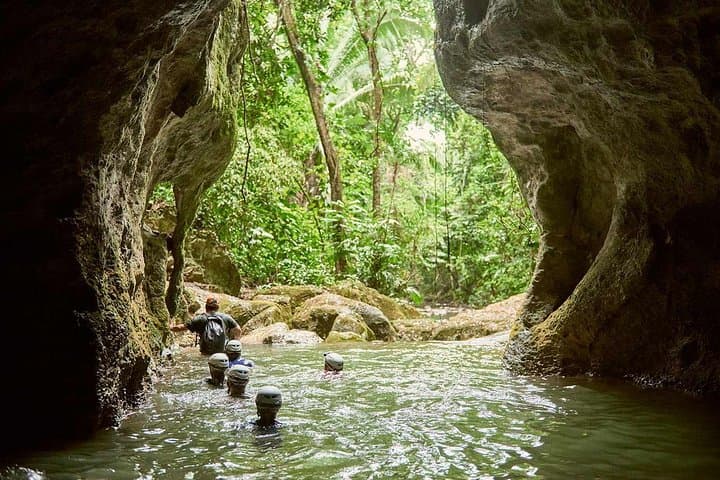
You enter the jungle before you see the cave—green walls closing, humidity pressing a slow, wet hand against your shirt. The trail drops to a ribbon of river that dares you to cross; your guide counts the steps and points toward a low limestone opening where daylight is swallowed. Minutes later you’re under rock, helmet light carving through a cathedral of formations. Stalactites drip like a slow clock. The air smells of mineral and wet stone. This is Actun Tunichil Muknal—ATM—the Mayan underworld made of cave passage and preserved ceremony.
Verified experiences and guided adventures in the surrounding area.
Operated by UpClose Belize · San Ignacio, Cayo District
You enter the jungle before you see the cave—green walls closing, humidity pressing a slow, wet hand against your shirt. The trail drops to a ribbon of river that dares you to cross; your guide counts the steps and points toward a low limestone opening where daylight is swallowed. Minutes later you’re under rock, helmet light carving through a cathedral of formations. Stalactites drip like a slow clock. The air smells of mineral and wet stone. This is Actun Tunichil Muknal—ATM—the Mayan underworld made of cave passage and preserved ceremony.
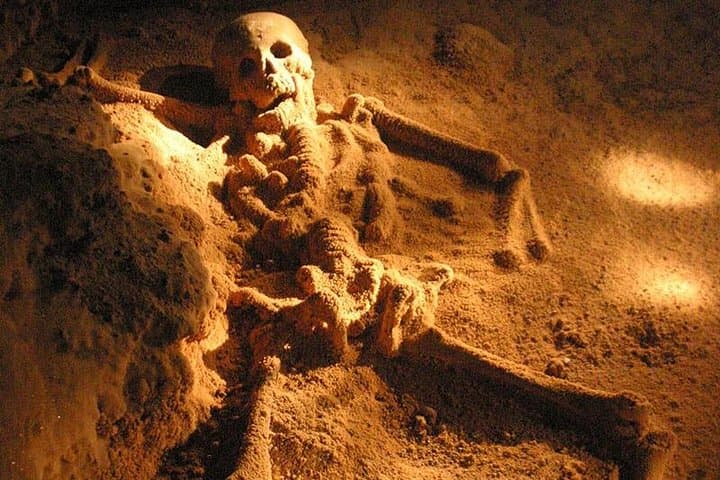
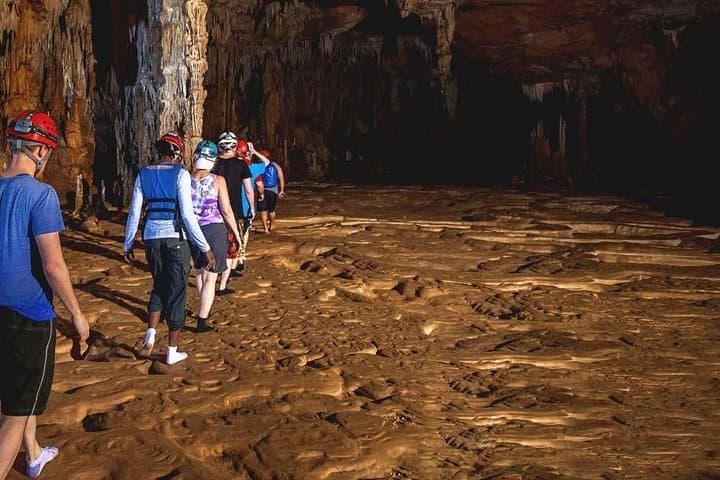
ATM is not simply a geological wonder; it’s an archaeological archive. National Geographic named it a top sacred-cave destination for a reason: pottery shards, stoneware, and ceremonial caches lie where they were ritually left centuries ago. The most famous remnant is the so-called "Crystal Maiden," a calcified human skeleton posed in a chamber where calcite has grown over bone, making the figure look almost sculpted by the cave itself. Geologically, ATM exposes limestone sculpted by groundwater over millennia—passages widen into vaults, flowstone sheets create glossy curtains, and seasonal rivers carve new lines each rainy year.
Culturally, guides translate the cave’s rituals as part of Maya cosmology: caves were entrances to Xibalba, the underworld and place of rebirth. Today, local Maya and Belizean guides steward the site, balancing access with preservation; touching artifacts is prohibited and flash photography is restricted in sensitive chambers.
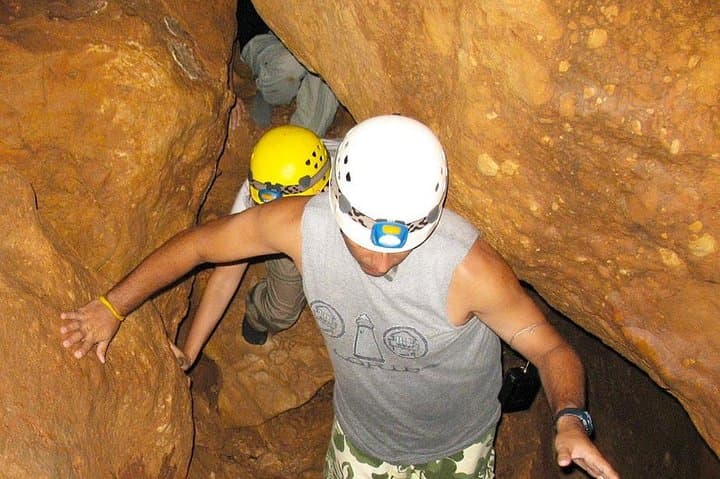
Practically: the tour runs roughly nine hours from Belize City with round-trip air-conditioned transfers and a Belizean lunch included. The approach is a wet jungle hike—expect several river crossings and short sections of scrambling; total cave time is about three to four hours. You’ll be offered a helmet and light; wear sturdy, quick-drying footwear with good traction. Physical demands are moderate to challenging: wading, occasional stooping through low passages, and walking on slick limestone.
Timing matters. The dry season keeps river levels low and makes scrambling easier; the wet season turns crossings into swift streams and can close the cave. Guides limit group size and enforce strict rules to protect artifacts and visitors. Bring a dry bag for extra layers and camera gear, hydrate well before departure, and leave jewelry and loose items at the pickup—small objects are a threat to the site.
When the light of your headlamp sweeps over the Crystal Maiden, there’s a silence that feels less like the absence of sound and more like the presence of history. This is an active place: natural processes continue to shape it, and human stewardship determines how long people can stand in that silence.
If you come prepared—physically ready, respectful of fragile remains, and with practical gear—you’ll leave with a clear sense of why ATM is both a geological spectacle and a cultural site that demands careful attention.
challenging.
8–9 hours.
Good cardiovascular fitness and agility for river crossings, short scrambles, and sustained standing in cave passages
Most tours include round-trip air-conditioned transfers from Belize City; pickup is arranged with your operator—if traveling independently you’ll need transport to the San Ignacio/ATM area and join the scheduled departure.
Not recommended for children under 6; older kids must be comfortable with hiking, river crossings and confined spaces—check with the operator for age policies.
Yes in many chambers, but flash and tripods are often restricted near delicate artifacts such as the Crystal Maiden—follow guide instructions to avoid damage.
Quick-drying clothes, closed-toe water or hiking shoes, and a swimwear base layer if you plan to wade; guides provide helmet and light.
This tour is not recommended for travelers with serious spinal or cardiovascular conditions due to uneven terrain and physical strain.
Cancel at least 24 hours before departure for a full refund; operators may cancel for bad weather or insufficient travelers and notify you in advance.
Maya used caves like ATM for ritual offerings and burials; many artifacts left in situ date to the Classic Maya period.
Access is tightly controlled to protect fragile archaeological material and delicate speleothems; follow guide instructions and avoid touching formations.
UpClose Belize operates guided outdoor trips and adventures with an emphasis on safety, stewardship, and memorable experiences.
You enter the jungle before you see the cave—green walls closing, humidity pressing a slow, wet hand against your shirt. The trail drops to a ribbon of river that dares you to cross; your guide counts the steps and points toward a low limestone opening where daylight is swallowed. Minutes later you’re under rock, helmet light carving through a cathedral of formations. Stalactites drip like a slow clock. The air smells of mineral and wet stone. This is Actun Tunichil Muknal—ATM—the Mayan underworld made of cave passage and preserved ceremony.
You enter the jungle before you see the cave—green walls closing, humidity pressing a slow, wet hand against your shirt. The trail drops to a ribbon of river that dares you to cross; your guide counts the steps and points toward a low limestone opening where daylight is swallowed. Minutes later you’re under rock, helmet light carving through a cathedral of formations. Stalactites drip like a slow clock. The air smells of mineral and wet stone. This is Actun Tunichil Muknal—ATM—the Mayan underworld made of cave passage and preserved ceremony.
ATM is not simply a geological wonder; it’s an archaeological archive. National Geographic named it a top sacred-cave destination for a reason: pottery shards, stoneware, and ceremonial caches lie where they were ritually left centuries ago. The most famous remnant is the so-called "Crystal Maiden," a calcified human skeleton posed in a chamber where calcite has grown over bone, making the figure look almost sculpted by the cave itself. Geologically, ATM exposes limestone sculpted by groundwater over millennia—passages widen into vaults, flowstone sheets create glossy curtains, and seasonal rivers carve new lines each rainy year.
Culturally, guides translate the cave’s rituals as part of Maya cosmology: caves were entrances to Xibalba, the underworld and place of rebirth. Today, local Maya and Belizean guides steward the site, balancing access with preservation; touching artifacts is prohibited and flash photography is restricted in sensitive chambers.
Practically: the tour runs roughly nine hours from Belize City with round-trip air-conditioned transfers and a Belizean lunch included. The approach is a wet jungle hike—expect several river crossings and short sections of scrambling; total cave time is about three to four hours. You’ll be offered a helmet and light; wear sturdy, quick-drying footwear with good traction. Physical demands are moderate to challenging: wading, occasional stooping through low passages, and walking on slick limestone.
Timing matters. The dry season keeps river levels low and makes scrambling easier; the wet season turns crossings into swift streams and can close the cave. Guides limit group size and enforce strict rules to protect artifacts and visitors. Bring a dry bag for extra layers and camera gear, hydrate well before departure, and leave jewelry and loose items at the pickup—small objects are a threat to the site.
When the light of your headlamp sweeps over the Crystal Maiden, there’s a silence that feels less like the absence of sound and more like the presence of history. This is an active place: natural processes continue to shape it, and human stewardship determines how long people can stand in that silence.
If you come prepared—physically ready, respectful of fragile remains, and with practical gear—you’ll leave with a clear sense of why ATM is both a geological spectacle and a cultural site that demands careful attention.