THE ADVENTURE COLLECTIVE® · Independent discovery and booking for outdoor travel

Cross the High Atlas, sleep in kasbahs and a desert camp, and ride camels among Erg Chebbi’s towering dunes. This four-day route combines geology, Amazigh culture, and star-filled Sahara nights—ideal for travelers who want an active, scenic introduction to Morocco’s interior.
Cross the High Atlas, sleep in kasbahs and a desert camp, and ride camels among Erg Chebbi’s towering dunes. This four-day route combines geology, Amazigh culture, and star-filled Sahara nights—ideal for travelers who want an active, scenic introduction to Morocco’s interior.
You leave Marrakech before dawn and the road eats the city’s noise as the High Atlas climbs. By midmorning the Tizi n’Tichka pass pushes you to roughly 2,260 m; the air sharpens, rocks gray and sudden, and villages cling like punctuation to the slopes.
Verified experiences and guided adventures in the surrounding area.
Operated by HDIDA Tours · Merzouga, Drâa-Tafilalet
You leave Marrakech before dawn and the road eats the city’s noise as the High Atlas climbs. By midmorning the Tizi n’Tichka pass pushes you to roughly 2,260 m; the air sharpens, rocks gray and sudden, and villages cling like punctuation to the slopes.
Across four days you move through carved gorges, palm oases and finally the Erg Chebbi dunes—sand ridges that test your balance and invite slow, deliberate steps. Todra Gorge presents vertical cliffs that reach several hundred meters and a narrow riverbed that has guided travelers and caravans for centuries. Skoura’s palm groves shelter kasbahs and centuries of Amazigh craft; Tazenakht is known for its handwoven rugs. Aït Benhaddou, a UNESCO ksar, marks the region’s role as a crossroads of trade and film.
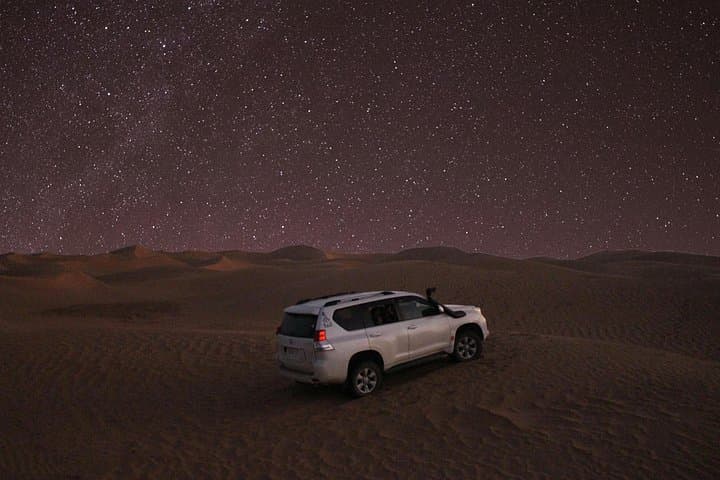
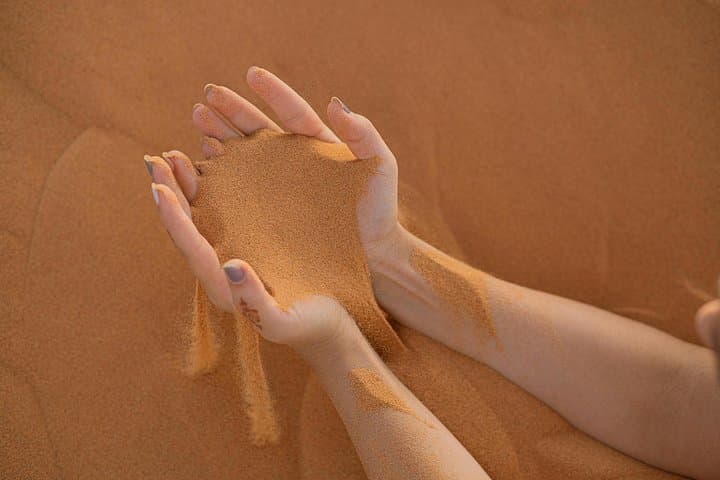
The desert itself is geological theater: wind-sculpted dunes up to about 150 m, alternating with stony regs and salt flats. Nights open wide—stars sharpen, dunes seem to breathe—and Berber musicians animate camps with rhythm that keeps time with the drifting sand.
Practical notes: the itinerary includes long drives broken into stages (expect several hours on road days), a 1–2 hour camel transfer to a desert camp, short hikes around Todra, and early starts for best light. Hydration, sun protection, and sturdy shoes are essential; layers are key for hot days and cool nights. Choose a local-knowledge guide for safe dune travel and leave no trace on fragile dunes. With modest fitness and basic mobility you’ll experience varied terrain, living history, and a desert night that demands attention.
moderate.
4 days.
Suitable for travelers with moderate fitness—able to manage several hours of walking, short dune hikes, and 1–2 hour camel transfers.
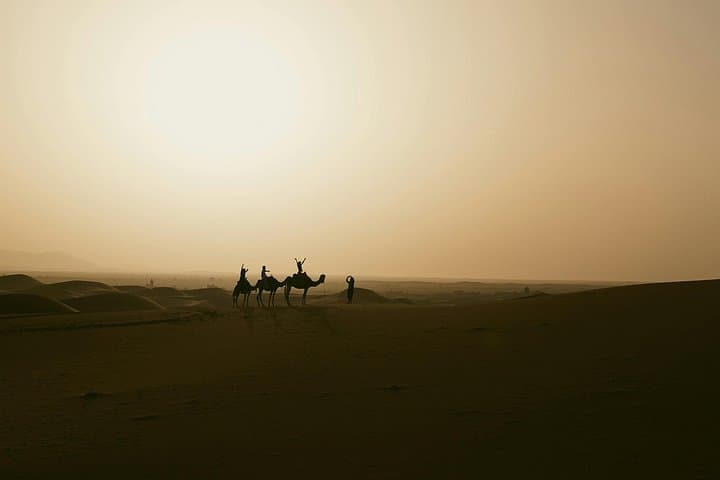
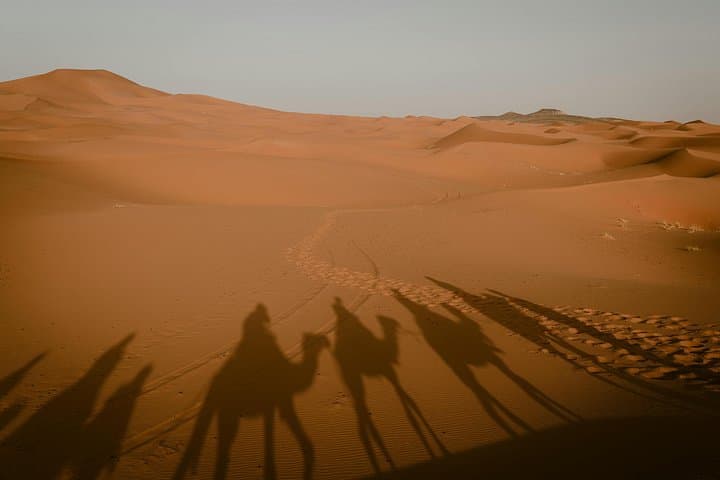
Camel treks to the Erg Chebbi camp usually take 1–2 hours depending on the camp location and pace; riders often walk from the camel drop to camp across smaller dunes.
The itinerary notes accessibility for many, but camel riding and uneven dune walking can be challenging—check vehicle and camp accessibility with the operator before booking.
Moroccan dirham (MAD) is standard; small tips for guides, drivers and camp staff are appreciated—carry small notes for direct tipping in remote areas.
Yes, visits to local film studios and Taourirt Kasbah are commonly offered as optional stops during the Ouarzazate day.
The route follows historic caravan corridors linking Marrakech to Saharan trade centers; kasbahs and ksars reflect Amazigh (Berber) architecture and centuries of commerce.
Erg Chebbi’s dunes are sensitive—avoid driving on loose sand, stay on marked tracks, and pack out waste; supporting local guides helps sustain communities and conservation efforts.
HDIDA Tours operates guided outdoor trips and adventures with an emphasis on safety, stewardship, and memorable experiences.
You leave Marrakech before dawn and the road eats the city’s noise as the High Atlas climbs. By midmorning the Tizi n’Tichka pass pushes you to roughly 2,260 m; the air sharpens, rocks gray and sudden, and villages cling like punctuation to the slopes.
You leave Marrakech before dawn and the road eats the city’s noise as the High Atlas climbs. By midmorning the Tizi n’Tichka pass pushes you to roughly 2,260 m; the air sharpens, rocks gray and sudden, and villages cling like punctuation to the slopes.
Across four days you move through carved gorges, palm oases and finally the Erg Chebbi dunes—sand ridges that test your balance and invite slow, deliberate steps. Todra Gorge presents vertical cliffs that reach several hundred meters and a narrow riverbed that has guided travelers and caravans for centuries. Skoura’s palm groves shelter kasbahs and centuries of Amazigh craft; Tazenakht is known for its handwoven rugs. Aït Benhaddou, a UNESCO ksar, marks the region’s role as a crossroads of trade and film.
The desert itself is geological theater: wind-sculpted dunes up to about 150 m, alternating with stony regs and salt flats. Nights open wide—stars sharpen, dunes seem to breathe—and Berber musicians animate camps with rhythm that keeps time with the drifting sand.
Practical notes: the itinerary includes long drives broken into stages (expect several hours on road days), a 1–2 hour camel transfer to a desert camp, short hikes around Todra, and early starts for best light. Hydration, sun protection, and sturdy shoes are essential; layers are key for hot days and cool nights. Choose a local-knowledge guide for safe dune travel and leave no trace on fragile dunes. With modest fitness and basic mobility you’ll experience varied terrain, living history, and a desert night that demands attention.